
Plants
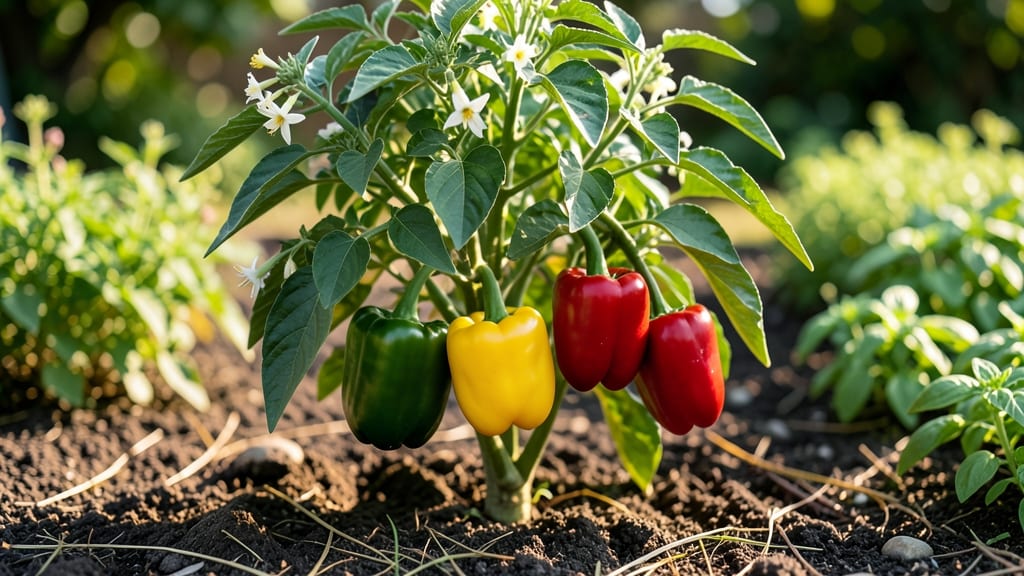
When planning your garden, knowing how tall pepper plants grow can mean the difference between a thriving harvest and a cramped, struggling one. These versatile 🌶️ plants come in all shapes and sizes—some barely reaching your waist while others stretch taller than you!
The variety you choose directly impacts your space needs, whether you're working with containers or a sprawling backyard plot.
Most pepper plants mature between 2 and 4 feet, but dwarf varieties stay compact at just 1-2 feet, making them perfect for small gardens or windowsills. On the other end, standard types like bell peppers or jalapeños can easily top 4 feet without proper support.
Understanding these differences helps you avoid overcrowding and ensures your plants get the airflow and sunlight they need to thrive.
If you're growing peppers in containers, height becomes even more critical—some varieties simply won’t fit in a standard pot. Meanwhile, outdoor gardeners must plan spacing to prevent shading and disease.
I’ll walk you through the best ways to manage height, whether through pruning, trellising, or choosing the right variety for your space.
Ready to grow peppers that fit your garden perfectly? Let’s dive into the specifics so you can pick the ideal height for your harvest—and avoid common mistakes that lead to leggy or stunted plants.


Pepper plant height by variety: from dwarf to giant types
If you're planning your garden layout, knowing how tall your pepper plants will grow is essential. Unlike their taller tomato cousins, peppers vary dramatically in height—from compact dwarf varieties under 2 feet to bushy giants reaching 5 feet or more.
The height you'll need to accommodate depends entirely on the variety you choose, so let’s break down the most popular types and their mature heights.
Most home gardeners grow peppers in USDA Zones 6-10, where warm summers encourage robust growth. However, even within the same climate, variety selection determines whether you’ll need a small container or a tall trellis.
For example, a jalapeño might stay under 3 feet, while a habanero could stretch toward 4 feet without support. Let’s explore the height ranges for common types.
Bell peppers are among the most popular varieties, and their height depends on the specific cultivar. Standard bell peppers like California Wonder typically reach 3-4 feet tall, while bush varieties like Early California Wonder stay shorter at 2-3 feet. These plants are indeterminate, meaning they’ll keep growing until frost, so they often need staking or caging to support their weight.
Chili peppers, including jalapeños and serranos, are usually more compact. Jalapeño varieties like Early Jalapeño or Big Jim max out around 2-3 feet tall, making them ideal for container gardening or small spaces. Habaneros, on the other hand, can grow 3-4 feet tall and may need light pruning to manage their height and encourage bushier growth.
Now, let’s visualize the height differences with a quick comparison table to help you plan your garden space:
| Variety | Height Range | Growth Habit | Best For |
|---|---|---|---|
| Bell Pepper (Standard) | 3-4 ft | Indeterminate | Garden beds, trellises |
| Bell Pepper (Dwarf) | 1.5-2.5 ft | Bush | Containers, small gardens |
| Jalapeño | 2-3 ft | Bush or Semi-Dwarf | Containers, raised beds |
| Habanero | 3-4 ft | Indeterminate | Trellises, garden beds |
| Poblano | 2.5-3.5 ft | Bush | Garden beds, containers |
| Cayenne | 2-3 ft | Bush | Containers, small spaces |
For container gardening, choose dwarf or bush varieties like Mini Bell or Jalapeño M, which thrive in 5-gallon pots and stay under 2 feet. These are perfect if you’re limited to a balcony or patio.
On the other hand, if you have open garden space, taller varieties like habaneros or bell peppers will reward you with more fruit if given room to grow vertically.
One common misconception is that all peppers need full sun and
How to control pepper plant height: pruning and support techniques
Managing your pepper plants' height isn't just about aesthetics—it's about maximizing yields and preventing disease. Most pepper varieties grow 3-4 feet tall without support, but leggy growth or overcrowding can stretch them beyond their ideal structure.
The key is combining proper pruning techniques with strategic support systems tailored to your variety.
Start by understanding your pepper's growth habit. Bush varieties like 'Jupiter' bell peppers stay compact (2-3 feet), while indeterminate types like 'Carolina Wonder' can climb 4-5 feet if left unchecked. Even dwarf varieties may need occasional pruning to encourage bushier growth and better fruit production.
🌱 Visual Element: Numbered Highlights 🌱
For container growers, choose deep pots with drainage (at least 12 inches deep) to accommodate root growth. If your pepper plants start leaning, it's a sign they need staking or better light exposure. Remember, the goal isn't to stunt growth but to guide it—taller plants with proper support often produce more fruit than sprawling, unsupported ones.
Pro tip: Save your pruned stems! They can root in water and become new plants. This is especially useful for heirloom varieties you want to propagate. Just place the cuttings in water with a few leaves submerged, and you'll have new pepper plants in 2-3 weeks.
🌿 Whether you're growing miniature peppers in window boxes or giant varieties in raised beds, mastering these techniques will give you healthier plants and a more productive harvest. Start with proper support early, and your peppers will thank you with bigger, better fruit all season long.