
How To
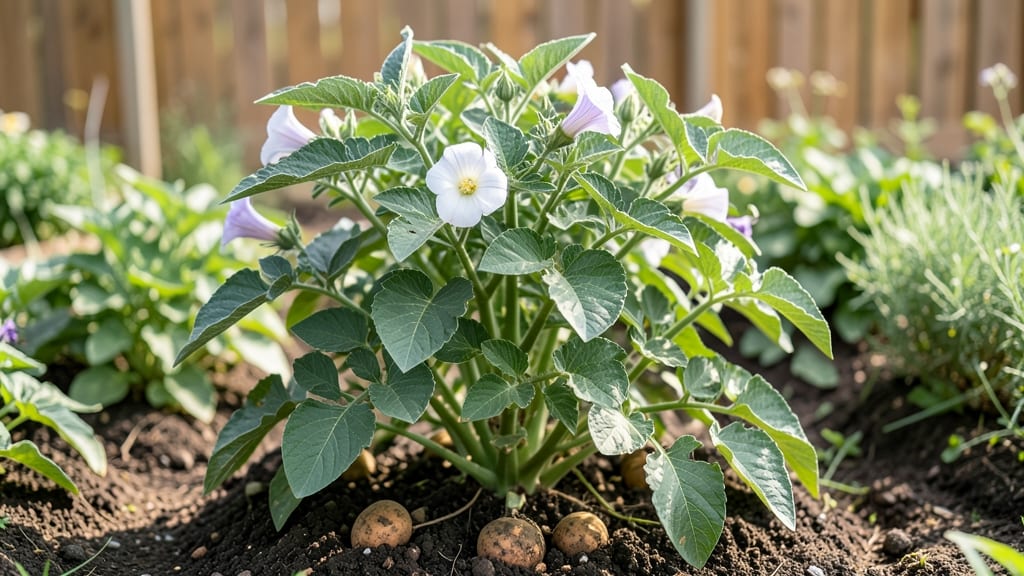
Curious about how tall your 🥔 potato plants will grow? The answer might surprise you—some varieties stay compact while others reach nearly waist-high, and knowing the difference can save you from a tangled garden mess.
Potato plants typically grow between 1 to 3 feet, but the variety you choose makes all the difference. Russets, for example, can stretch tall and leggy, while fingerlings stay shorter and bushier. Understanding these height differences helps you plan spacing, support, and even harvest strategies.
If you're working with limited space or want to avoid staking, certain dwarf varieties are perfect for containers or small gardens. But for larger harvests, taller types like Kennebec thrive with proper care. Let’s break down exactly what to expect—and how to manage your plants for the best yield.
Whether you're a first-time gardener or a seasoned grower, getting the height right is the key to avoiding crowded tubers and maximizing your harvest. Ready to learn the best varieties and support tricks for your garden?


Potato plant height by variety: tallest vs shortest growing types
Potato plants can range from compact, 12-inch wonders to towering 30-inch giants, depending on the variety. Understanding these differences helps you plan your garden layout, choose the right support, and maximize your harvest.
Some varieties stay neatly contained, while others need staking or cages to prevent sprawling. Let’s explore the height spectrum and what it means for your garden.
Most home gardeners grow standard-height varieties like Yukon Gold (18–24 inches) or Red Pontiac (20–28 inches), which strike a balance between manageable size and high yield. These mid-range heights work well in most gardens without requiring extra support.
However, if you’re short on space or dealing with windy conditions, dwarf varieties can be a game-changer.
Dwarf varieties, such as ‘Rocket’ potatoes or ‘Adirondack Blue’, typically max out at 12–18 inches. These are perfect for containers, small gardens, or even indoor growing. Their compact stature also makes them easier to hill, reducing the risk of green tubers (which contain toxins) from exposure to sunlight.
On the opposite end, tall-growing varieties like ‘Kennebec’ or ‘Russian Banana’ can reach 24–36 inches. These varieties produce long, sprawling vines and often need cages or trellises to keep them upright. Without support, their foliage can flop over, shading lower tubers and reducing yield.
Here’s how height impacts your garden planning: taller varieties need more spacing (18–24 inches apart) to avoid competition, while dwarf types can be planted 12 inches apart. Additionally, taller plants may require deeper soil or hilling to encourage tuber development below the surface.
| Variety | Height Range | Notes |
|---|---|---|
| Rocket | 12–18 in | Dwarf, great for containers |
| Yukon Gold | 18–24 in | Standard height, high yield |
| Red Pontiac | 20–28 in | Mid-tall, needs hilling |
| Kennebec | 24–36 in | Tall, requires support |
| Russian Banana | 30–36 in | Very tall, needs cages |
Choosing the right variety for your space is key. If you’re working with limited vertical space, opt for dwarf or semi-dwarf types. For larger gardens or if you love the challenge of managing taller plants, varieties like ‘Purple Majesty’ (24–30 inches) or ‘Kennebec’ can be rewarding.
Just remember: taller plants often need more frequent hilling to protect developing tubers from light exposure.
Height also affects harvesting ease. Shorter varieties are simpler to dig up, especially in small gardens or raised beds. Taller varieties may require more care during harvest to avoid damaging tubers with deep forks.
Always harvest when the foliage yellows and dies back—this is your cue that the tubers are ready!
Pro tip: If you’re unsure about a variety’s height, check the seed packet or plant tag. Many reputable seed companies list mature height ranges, helping you make an informed choice before planting.
For example, ‘Fingerling’ varieties like ‘French Fingerling’ often stay under 18 inches, while ‘Russet’ types can stretch toward 30 inches.
Finally, don’t forget that growing conditions like sunlight, soil quality, and watering can influence height. Plants in poor soil or with inadequate sunlight may grow shorter but could produce fewer tubers. Aim for well-draining, nutrient-rich soil and 6+ hours of sun daily to encourage healthy, vigorous growth.
Do potato plants need support? When and how to stake or cage them
Not all potato plants need support, but taller varieties (like Kennebec or Russian Banana) often do. Without support, their top-heavy foliage can flop over, smothering tubers or making harvests difficult.
I’ve found that unsupported plants also risk breaking stems during wind or rain, reducing yield. The key is knowing when to intervene—usually when plants hit 18-24 inches tall.
For dwarf varieties (e.g., Red Pontiac or Yukon Gold), support is rarely needed—their compact growth stays under 18 inches. But even these benefit from light hilling (piling soil around stems) to prevent greening.
I’ve learned the hard way that skipping support for tall types leads to tangled messes and missed harvests.
Here’s when to act: Stake or cage plants if they’re growing vertically and showing signs of stem weakness (e.g., bending or leaning). Early intervention prevents permanent damage. For container growing, use small cages or bamboo stakes—they’re perfect for space-saving and keep tubers off the ground.
⚠️ Warning: Common Staking Mistakes
- Overcrowding: Too many plants per stake weakens support.
- Improper depth: Stakes must be at least 24 inches tall for tall varieties.
- Loose ties: Use soft plant ties, not wire, to avoid stem damage.
Tight ties strangle stems, while loose ones fail under wind. I’ve seen both ruin harvests!
If you’re growing long, vine-like potatoes (like Russian Banana), trellises work best. They let tubers hang freely, reducing rot risk. For standard varieties, wire cages (30 inches tall) are my go-to—they’re sturdy and reusable. Pro tip: Bury cages halfway at planting to avoid toppling.
For small gardens, vertical growing saves space. I’ve used 5-gallon buckets with cut-out sides as mini cages—perfect for balconies! Just ensure the container has drainage holes to prevent soggy soil. Mulch heavily around the base to retain moisture and suppress weeds, which compete with your potatoes for nutrients.
Remember: Support isn’t just about height—it’s about protecting your investment. A well-supported plant yields more clean, undamaged tubers. Start with the right tools, and your harvest will thank you. Happy gardening!