
How To
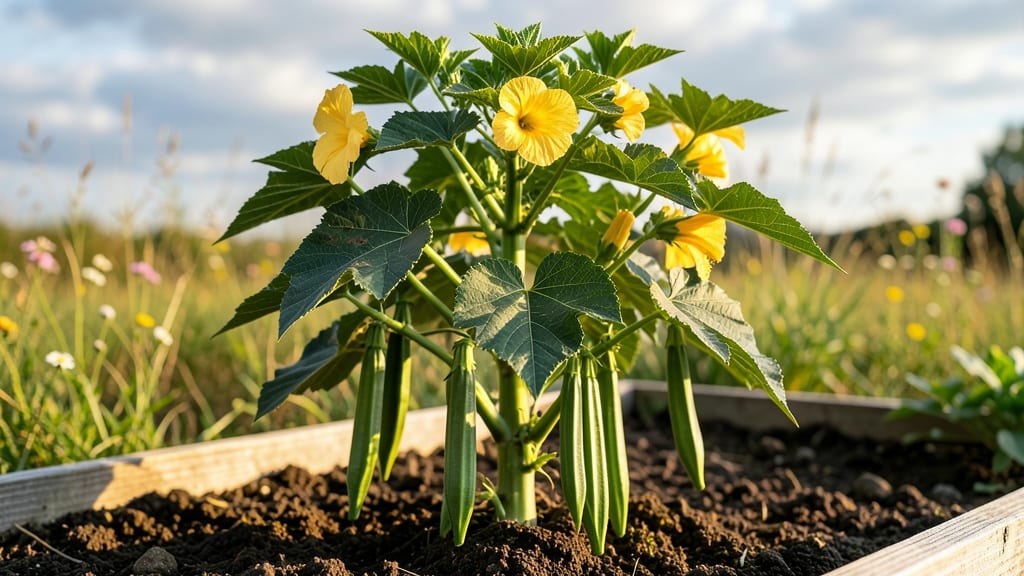
If you're planting okra this spring, you might be surprised by how tall an okra plant can grow—some varieties reach towering heights of 10 feet or more! But height isn’t the only factor; spacing and care play a huge role in whether your okra thrives or gets crowded out.
Whether you’re working with dwarf varieties that stay around 3–4 feet or standard types stretching toward the sky, understanding their growth habits is key. Too little space, and your plants will compete for nutrients; too much, and you’ll waste garden real estate.
I’ll break down the best spacing strategies to maximize both height and harvest.
Beyond just planting, you’ll discover how to support tall okra—whether through trellising, pruning, or other techniques—to keep it growing strong. By the end, you’ll know exactly how to give your okra the room it needs to reach its full potential, no matter your garden’s size.
Ready to avoid the tangled mess and get the most from your okra? Let’s dive into the details so you can enjoy a bountiful harvest all season long.


Okra plant height by variety: from dwarf to giant varieties
Okra plants are famous for their rapid growth and impressive height, but not all varieties reach the same towering heights. The mature height of okra can range from as short as 3 feet to over 10 feet, depending on the variety you choose.
This dramatic difference means your garden layout and spacing strategies will vary significantly.
For gardeners with limited space, dwarf okra varieties like 'Burgundy' or 'Emerald' are perfect, staying between 3–4 feet tall. These compact plants work well in containers or small garden beds, making them ideal for urban gardeners or patios.
Meanwhile, standard varieties like 'Clemson Spineless' or 'Jumbo Green' can easily grow 6–10 feet tall, requiring more space and support.
Choosing the right variety isn’t just about height—it also affects how your okra grows. Some varieties grow upright with a single main stem, while others branch out more, creating a bushier plant.
This growth habit influences everything from spacing requirements to harvesting ease and even pod production. Let’s break down the most popular okra varieties and their typical heights.
Understanding these differences will help you plan your garden layout, whether you’re aiming for a vertical garden with tall varieties or a compact container setup with dwarf types. The key is to match the variety to your space and care capacity.
Below is a quick reference table to help you visualize the height differences and choose the best fit for your garden.
If you’re growing okra in containers, opt for dwarf varieties like 'Burgundy' or 'Emerald' to avoid overcrowding. These plants thrive in 5-gallon pots or larger, as long as they get plenty of sunlight.
For in-ground planting, taller varieties like 'Clemson Spineless' or 'Jumbo Green' will dominate your garden space, so plan accordingly.
One thing to note is that okra’s height isn’t just about the variety—soil quality, sunlight, and watering also play a role. Poor soil or inconsistent watering can stunt growth, while rich, well-draining soil and full sun will encourage your okra to reach its full potential.
If you’re in a hot, humid climate, okra tends to grow even taller and faster, so be prepared for rapid vertical expansion.
For those with limited space, consider vertical gardening techniques like trellises or stakes to guide taller varieties upward. This not only saves space but also makes harvesting easier, as pods grow along the stems.
Just be sure to choose a trellis strong enough to support the weight of mature plants, especially if you’re growing varieties that can reach 10 feet or more.
Finally, remember that okra height affects pod production. Taller plants may produce more pods, but they also require more space and support.
If you’re growing okra for the first time, start with a semi-dwarf variety like 'Arkansas Little Light' to get a feel for the plant’s growth habits before committing to a towering giant.
Now that you know how tall your okra can grow, the next step is ensuring it has the right spacing to thrive. Let’s dive into optimal spacing guidelines to prevent overcrowding and maximize your harvest.
Optimal spacing for okra plants: preventing overcrowding & maximizing yield
Proper okra spacing is one of the most critical factors in ensuring healthy growth and maximum pod production. Okra plants need room to breathe—literally! Crowding leads to poor airflow, which invites fungal diseases like powdery mildew, while too much space wastes garden real estate.
The ideal spacing depends on the variety, but most okra benefits from 12–24 inches between plants in rows spaced 2–3 feet apart.
For dwarf varieties like 'Burgundy' or 'Emerald' (3–4 feet tall), you can plant them 12 inches apart in rows spaced 2 feet apart. This compact arrangement works perfectly for containers or small garden beds.
Meanwhile, tall varieties like 'Clemson Spineless' or 'Jumbo Green' (6–10 feet tall) need 18–24 inches between plants and 3 feet between rows to prevent shading and competition.
If you're growing okra in containers, choose varieties that stay under 4 feet tall and use pots that are at least 5 gallons in size. Place containers 12–18 inches apart to allow airflow while maximizing space.
For in-ground planting, taller varieties will benefit from wider spacing to accommodate their height and prevent lodging (when plants fall over due to weak stems).
Here’s a quick guide to spacing based on your garden setup:
- Dwarf varieties (3–4 ft): 12" apart in rows 2 ft apart
- Semi-dwarf varieties (4–6 ft): 15" apart in rows 2.5 ft apart
- Tall varieties (6–10 ft): 18–24" apart in rows 3 ft apart
- Containers (any variety): 12–18" apart in 5+ gallon pots
When planting okra in rows, always orient them north-to-south to ensure even sunlight exposure. This is especially important for taller varieties, which can shade shorter plants if placed incorrectly.
If you’re working with limited space, consider interplanting okra with low-growing companions like basil or lettuce, which thrive in the shade of okra’s leaves.
Another key tip is to thin seedlings once they reach 3–4 inches tall. Overcrowding at this stage can stunt growth and reduce pod production later. Simply snip unwanted seedlings at the base with clean scissors, leaving only the strongest plants in each spot.
This early intervention pays off with healthier, more productive okra plants.
Finally, remember that okra spacing affects yield. Plants that are too close may produce fewer pods due to stress, while those with ample space grow taller and produce more. If you’re aiming for a high harvest, prioritize proper spacing—it’s the foundation of a successful okra garden!
Next, we’ll explore how to support tall okra plants to keep them growing strong and upright.