
Watering
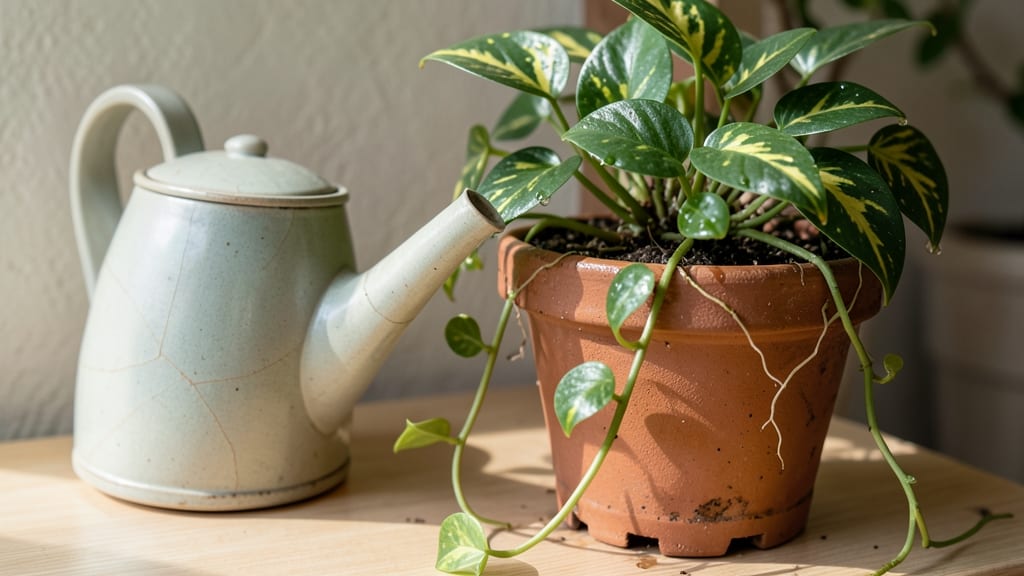
If your 💱 Money Plant keeps looking sad—yellow leaves, droopy stems, or crispy brown edges—you’re probably not figuring out the money plant how much water it needs. The truth is, most people either drown their plants or leave them high and dry, and neither approach works for this tropical favorite.
Here’s the deal: Money Plants thrive on a consistent but gentle watering routine, not guesswork. Too much water rots the roots, while too little causes stress that shows up fast.
The key isn’t just how much you water but when—and I’ll break down the exact schedule you need to keep your plant lush and happy.
We’ll cover everything from soil checks to seasonal tweaks so you never over- or underwater again. Whether you’re a beginner or a plant parent who’s lost a few 💱 along the way, this guide will save you time (and money) by keeping your Money Plant thriving year-round.
Ready to stop the guessing game? Let’s dive into the simple, science-backed watering routine that’ll have your Money Plant growing strong in no time.

How much water does a money plant need per week?
Determining the right amount of water for your money plant (Pachira aquatica) starts with understanding its natural preferences. Unlike thirsty tropical plants, money plants prefer to dry out slightly between waterings—a balance that prevents root rot while keeping leaves vibrant.
My rule of thumb? Water when the top 1-2 inches of soil feel dry to the touch. This method works for most indoor setups, but pot size and soil type can shift that timeline.
For a standard 6-inch pot, I water my money plant every 7-10 days during active growth (spring and summer). Smaller pots dry faster, so you might water every 5-7 days, while larger containers can stretch to 2 weeks.
The key is consistency—money plants hate soggy roots but also despise chronic dryness, which causes leaf browning.
Here’s where many gardeners go wrong: relying on a rigid schedule instead of checking soil moisture. I’ve killed three money plants by assuming "every Tuesday" worked, only to find the roots suffocating in wet soil. Always test with your finger before watering—this simple habit saves lives.
| Factor | Specification | Watering Adjustment |
|---|---|---|
| Pot Size | 6-inch pot | Every 7-10 days |
| Soil Type | Well-draining mix | Water less frequently |
| Humidity Level | Low (below 40%) | Increase water slightly |
| Leaf Texture | Dry, crispy edges | Water immediately |
| Season | Winter | Every 2-3 weeks |
💧 Pro Tip: Always water until liquid drains from the pot’s bottom—this flushes excess salts.
Your money plant’s leaves also send clear signals about its water needs. Healthy leaves stay plump and glossy, while thirsty plants develop crispy brown edges. Overwatered plants, however, show yellowing leaves and mushy stems—a silent scream for help.
I once mistook yellowing for underwatering and drowned my plant. Lesson learned: check the soil first!
Morning watering is ideal because it mimics natural rainfall patterns and gives excess moisture time to evaporate. Avoid watering at night, as damp leaves can encourage fungal growth. I’ve seen money plants develop unsightly spots from this simple mistake.
If your plant is in a terracotta pot, water even less—these pots dry faster and help regulate moisture.
For beginners, I recommend using a moisture meter for the first month. These $10 tools remove guesswork and help you dial in the perfect watering rhythm.
Once you’re confident, switch to the finger test—it’s free and just as effective. Remember, money plants are resilient, but they won’t forgive consistent neglect or overindulgence.
If you’re unsure whether to water, err on the side of caution. Money plants can survive short dry spells but rarely recover from prolonged sogginess. Think of their roots like a sponge: they need air to breathe.
With this balance, your money plant will reward you with lush, vibrant growth for years.
🌿 For extra insurance, I top-dress with orchid bark or perlite every 6 months. This improves drainage and reduces the risk of overwatering—two birds with one stone!
Money plant watering schedule by season: spring vs summer vs winter
Seasonal changes dramatically impact your money plant’s water needs, and ignoring them is a fast track to plant stress. In spring, when growth ramps up, I water my money plant weekly—but only after confirming the soil’s dry.
Summer’s heat increases evaporation, so I adjust to every 5-7 days, often twice weekly if my home feels stuffy. The key is watching your plant’s response: if leaves droop by afternoon, it’s thirsty.
Winter slows everything down. My money plant enters a dormant phase, and I cut watering to every 2-3 weeks. Overwatering in winter is a common mistake—roots don’t need moisture when growth pauses.
I’ve seen money plants develop root rot from well-meaning owners who kept summer schedules through December. Always check soil depth before watering in cooler months.
Humidity plays a hidden role. In dry winter air (below 40% humidity), I water slightly more often to compensate. A nearby humidifier or pebble tray helps mimic tropical conditions without overdoing it. Summer’s high humidity, however, means I can stretch watering intervals—just monitor leaf turgor (plumpness) closely.
| Season | Growth Phase | Watering Frequency | Soil Check Depth | Key Adjustments |
|---|---|---|---|---|
| Spring | Active Growth | Every 7-10 days | Top 1-2 inches | Increase if leaves wilt |
| Summer | Peak Growth | Every 5-7 days | Top 1 inch | Reduce if humidity >60% |
| Fall | Slow Growth | Every 10-14 days | Top 2 inches | Monitor for early dormancy |
| Winter | Dormant | Every 2-3 weeks | Top 3 inches | Never water if soil is damp |
🌡️ Seasonal Tip: Adjust for indoor heating—dry air = more frequent watering.
Transitional seasons (like fall) are tricky. My money plant slows growth but doesn’t fully dorm, so I water every 10-14 days, checking soil moisture carefully. A sudden cold snap can shock roots, so I always move pots away from drafty windows.
Pro move: Use a thermometer near your plant to track temperature drops—below 60°F signals it’s time to cut back.
Outdoor money plants (if you’re brave enough to try them) need even more adjustments. Containerized plants dry faster in sun, while those in ground beds retain moisture longer. I’ve seen outdoor money plants thrive in USDA Zone 10+ with weekly watering, but they’re not cold-hardy.
For indoor plants, group them with other tropicals to create a microclimate that stabilizes humidity.
💡 Lighting matters too: A money plant in bright indirect light will drink more than one in a dim corner. If you notice leaves stretching toward light (a sign of etiolation), it’s time to move the plant or supplement with a grow light. Balanced light = balanced water needs.
Remember, money plants are forgiving but not infinite. A single season of perfect watering won’t save a chronically neglected plant. Start today by adjusting your schedule—your money plant’s future depends on it.
And if all else fails, propagate a cutting. Even the most struggling plants can bounce back with the right care!