
Companion Plants
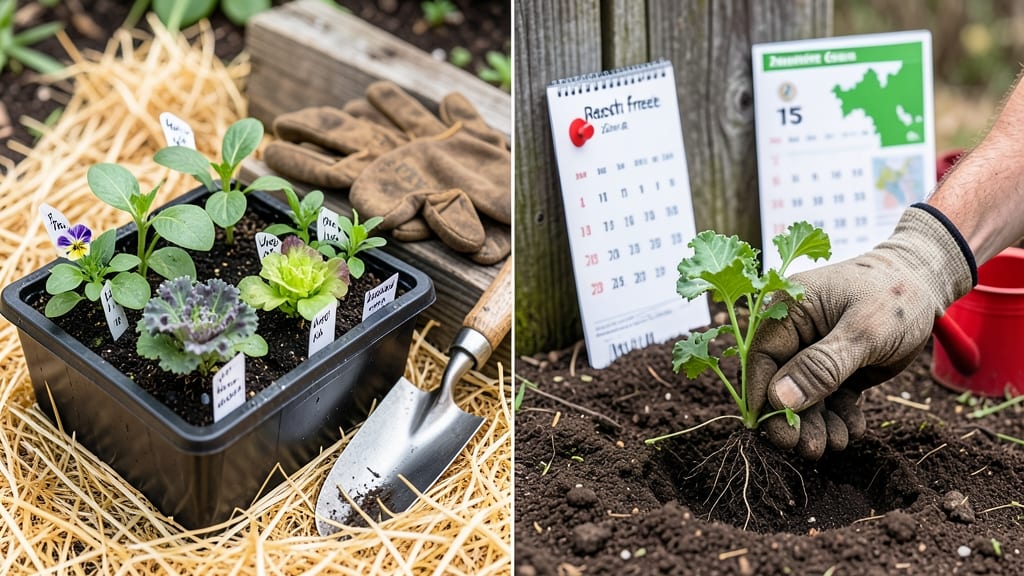
If you're asking "when can I plant in Zone 6a", timing is everything—get it wrong, and your garden could end up a sad, frost-kissed disappointment. Zone 6a's short growing season demands precision, but with the right strategy, you can grow a thriving garden even when the weather feels unpredictable.
Spring planting in Zone 6a starts as early as mid-March for cold-hardy crops like spinach and peas, but most vegetables wait until after the last frost date (around April 15). The key is understanding which plants can handle early chill and which need warmer soil to thrive.
In this guide, I’ll break down the exact planting windows for cool-season crops (like kale and broccoli) versus warm-season favorites (tomatoes and peppers). You’ll learn how to read your soil’s temperature, adjust for microclimates, and even squeeze in late-summer plantings for a fall harvest.
Whether you're a first-time gardener or a seasoned grower, mastering Zone 6a’s planting schedule means more bountiful harvests and fewer wasted seeds. Let’s get your garden off to the right start—🌱—with confidence.
Zone 6a planting calendar: exact dates for cool-season vs warm-season crops
Understanding Zone 6a planting dates is critical because this region has 165 frost-free days—just enough for two growing seasons if timed perfectly. The last average frost date typically falls around April 15, while the first frost arrives by October 15.
These dates create a tight window for warm-season crops and a longer but cooler window for hardy vegetables.
Your exact planting dates depend on whether you're growing cool-season crops (like spinach and peas) or warm-season crops (like tomatoes and peppers). Cool-season plants can often tolerate light frosts, while warm-season varieties need consistent soil temperatures above 60°F to thrive.
Even within Zone 6a, micro-climates—like urban heat islands or sheltered valleys—can shift your ideal planting window by 1-2 weeks.
Key rule: Always check your local last frost date (not the average) by consulting your almanac or nearby weather stations. For example, if your area's last frost is April 22 instead of April 15, adjust your schedule accordingly. This precision prevents frost damage to tender seedlings.
Here’s how to plan your Zone 6a planting calendar for maximum success:
| Planting Window | Cool-Season Crops | Warm-Season Crops | Soil Temp Requirement |
|---|---|---|---|
| Early Spring (4-6 weeks before last frost) | Peas, Spinach, Kale, Lettuce, Radishes | N/A (Too cold) | 40-50°F |
| Late Spring (2-3 weeks after last frost) | Broccoli, Cabbage, Carrots, Onions, Beets | Tomatoes, Peppers, Eggplants, Basil | 50-60°F (cool); 60-70°F (warm) |
| Summer (June-July) | N/A (Too hot) | Sweet Corn, Cucumbers, Squash, Beans | 65-75°F |
| Late Summer (4-6 weeks before first frost) | Spinach, Kale, Arugula, Turnips, Garlic | N/A (Plant early summer for fall harvest) | 50-60°F |
| Fall (After first frost for overwintering) | Garlic, Onions, Winter Rye | N/A | 40-50°F |
For cool-season crops, start seeds indoors 6-8 weeks before your last frost date (around March 1-15 in Zone 6a). Transplant seedlings outdoors 2-3 weeks before the last frost, or direct-sow hardy varieties like peas and spinach as early as March 20.
These crops can handle light frosts, but avoid planting when nighttime temperatures drop below 25°F.
Warm-season crops like tomatoes and peppers need to wait until soil temperatures consistently stay above 60°F, which usually happens 2-3 weeks after your last frost date (around May 1-15). Use black plastic mulch or row covers to warm the soil faster if needed.
For late varieties, like bell peppers, wait until June 1 to ensure they mature before frost.
Don’t overlook succession planting—this technique lets you extend your harvest by staggering plantings every 2-3 weeks. For example, sow lettuce on March 20, April 10, and May 1 to enjoy fresh greens all summer. Similarly, plant beans every 2 weeks in June for a continuous supply.
If you’re in a micro-climate with later frosts (e.g., higher elevations), delay planting by 1-2 weeks. Conversely, urban areas with heat islands may allow you to plant warm-season crops 10-14 days earlier. Always monitor your local weather forecasts and adjust your schedule accordingly.
Pro tip: Use frost cloth to protect tender seedlings if an unexpected frost threatens. This extends your planting window by 1-2 weeks for crops like cucumbers and squash, which struggle with cold soil. Just remove the cloth once temperatures stabilize above 50°F during the day.
By following this Zone 6a planting calendar, you’ll maximize your garden’s potential and avoid the frustration of frost-damaged plants or bolting greens. Start with your earliest crops, then transition to warm-season favorites as the soil warms—your harvest will thank you! 🌱
Cold-hardy crops that thrive in Zone 6a’s early spring planting
Zone 6a’s early spring planting window—typically 4 to 6 weeks before your last frost date (around March 15–April 15)—is perfect for cold-hardy crops that tolerate 40–50°F soil temperatures. These plants not only survive but thrive, giving you a head start on the growing season.
My top picks for this critical window include leafy greens, root vegetables, and hardy herbs that can handle light frosts.
For maximum success, focus on crops that mature quickly (under 60 days) so they reach harvest before summer heat arrives. Spinach, kale, and peas are my go-to choices—they’ll give you edible harvests even if late frosts delay growth.
Meanwhile, onions, carrots, and radishes planted early will establish strong roots before the soil warms.
🌱 Pro Tip: Use row covers or cold frames to extend your planting window by 2–3 weeks for heat-loving crops like tomatoes or peppers. These tools create a microclimate that protects tender seedlings from late frosts.
When planting these cold-hardy crops, prioritize well-draining soil and full-sun locations (6+ hours daily). Amend clay soil with compost or sand to improve drainage, and avoid over-fertilizing—these plants prefer lean soil. Water deeply 1–2 times per week, focusing on the root zone to encourage strong establishment.
🌿 Remember: Even the hardiest crops can suffer if planted too early in waterlogged or frozen soil. Wait until soil temperatures consistently stay above 40°F (use a soil thermometer to check!). For a foolproof method, cover seeds with straw mulch until germination to retain moisture and warmth.