
Companion Plants
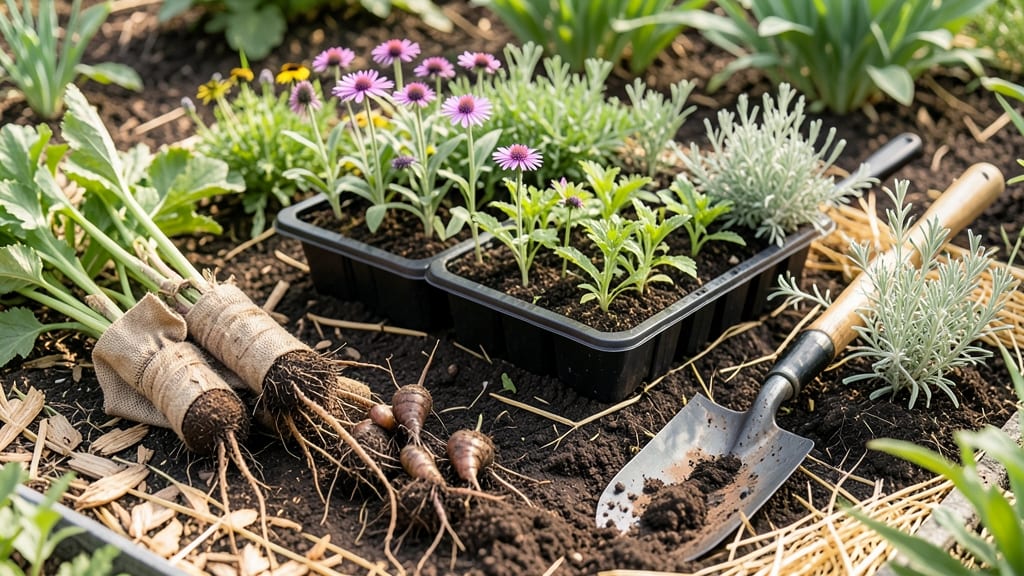
Planting perennials in Zone 6 at the wrong time can mean the difference between a thriving garden and a sad pile of frost-killed roots. The key is understanding your local frost dates and soil conditions, so you don’t rush too early or wait too late.
For most 🌱 perennials in Zone 6, the ideal planting window opens in early spring—typically after your last frost date (usually mid-April) but before summer heat sets in. Early fall is another great time, giving plants time to establish before winter.
But timing isn’t one-size-fits-all—hardy varieties like peonies can handle cooler soil, while tender perennials need warmer conditions.
I’ll break down exactly when to plant based on your specific perennials, soil prep tips, and how to adjust for microclimates in your area. Whether you’re a first-time gardener or a seasoned pro, getting this right means stronger roots, bigger blooms, and fewer replanting headaches.
Let’s dive into the best months for planting, how to prep your soil, and which perennials can handle Zone 6’s unpredictable frosts—so you can finally get it right the first time.
Zone 6 perennial planting timeline: best months by hardiness type
Planting perennials in Zone 6 requires precision—get the timing wrong, and you risk frost damage or weak root systems. The last average frost date for most Zone 6 areas is mid-April, while the first frost arrives around mid-October.
This leaves two ideal windows: early spring (March-April) and early fall (September-October).
For hardy perennials like peony or coneflower, you can plant as early as March when soil temperatures reach 40°F. Tender varieties, such as lavender or rosemary, need to wait until after May 15 to avoid frost damage.
Fall planting works best 6-8 weeks before the first frost, giving roots time to establish.
Soil temperature is critical—aim for 50-60°F for optimal root growth. Use a soil thermometer to check before planting. In Zone 6a (colder microclimates), delay spring planting until April 15 to avoid late frosts. For Zone 6b, March is often safe, but always monitor local forecasts.
| Planting Window | Soil Temp Threshold | Frost Risk | Best For |
|---|---|---|---|
| Early Spring (March) | 40-50°F | High (late frosts) | Hardy perennials (e.g., peony, hosta) |
| Late Spring (April-May) | 50-60°F | Low (post-frost) | Tender perennials (e.g., lavender, salvia) |
| Early Fall (September) | 60-70°F | Moderate (early frosts) | All perennials (best root growth) |
| Late Fall (October) | 50°F+ | High (first frost) | Bulbs/early bloomers (e.g., crocus) |
If you’re planting in containers, you can push the envelope slightly—containers warm up faster in spring and can be moved indoors if frost threatens. For in-ground planting, mulch heavily after planting to protect roots.
In Zone 6a, consider using row covers for early spring plantings to extend the season.
Fall planting is often underrated—it gives perennials a head start on root growth before winter dormancy. Aim to plant 6 weeks before the first frost, typically late August to early September. This timing ensures roots establish but avoids the stress of winterizing too late in the season.
For bare-root perennials, soak roots for 1-2 hours before planting to rehydrate. Dig holes twice as wide as the root ball but only as deep. Amend the soil with compost to improve drainage and fertility. Water deeply after planting to eliminate air pockets and encourage root contact with soil.
Microclimates play a huge role in Zone 6. South-facing slopes warm up faster in spring, while low-lying areas may experience frost longer. Use these variations to your advantage—plant tender perennials on slopes and hardy varieties in cooler spots.
Always test your microclimate by planting a frost-sensitive crop like basil in early spring to gauge safety.
Never plant perennials when the ground is frozen or waterlogged. In Zone 6, this often means avoiding February entirely unless you’re using raised beds with heated mats. For most gardeners, March and September are the safest bets, but local conditions always dictate the best approach.
Pro tip: Mark your last frost date on your calendar and count backward. For spring, plant 4-6 weeks before this date; for fall, plant 6-8 weeks before the first frost. This simple rule keeps your perennials safe and thriving year after year.
Cold-hardy perennials vs. tender varieties: which can handle Zone 6’s first frost?
Not all perennials are created equal when it comes to frost tolerance. In Zone 6, some varieties thrive even after first frost dates (mid-October), while others need to be planted after the last frost (mid-April) to survive.
The difference often comes down to their USDA hardiness zone rating and how well they handle cold soil temperatures.
For example, peony and coneflower are cold-hardy perennials that can handle Zone 6’s winters, even if planted in early spring when soil is still cool. On the other hand, lavender and rosemary are tender perennials that need warmer soil—planting them before May 15 risks frost damage.
Understanding these differences helps you avoid costly mistakes. For instance, I once planted lavender in April, thinking it was hardy, only to watch it freeze back to the ground. After researching, I learned it’s better suited for Zone 7+ and adjusted my planting timeline accordingly.
Here’s how to match perennials to Zone 6’s frost risk:
| Perennial Type | Frost Tolerance | Best Planting Window | Zone 6 Notes |
|---|---|---|---|
| Cold-Hardy (e.g., peony, coneflower, hosta) | Survives Zone 3-5 | Early spring (March-April) or early fall (Sept-Oct) | Plant 4-6 weeks before last frost for best root establishment. |
| Moderate (e.g., black-eyed Susan, daylily) | Survives Zone 4-6 | Late spring (May) or mid-fall (Sept) | Avoid planting before May 15 to prevent frost damage. |
| Tender (e.g., lavender, rosemary, salvia) | Survives Zone 7-9 | Late spring (June) or late fall (Oct-Nov) | Use mulch or containers to protect from early frost. |
If you’re unsure about a perennial’s hardiness, check its USDA zone rating—most nurseries list this on plant tags. For example, lavender is rated for Zone 7-9, so it’s better to plant it in late spring or use containers that can be moved indoors during winter.
Microclimates in Zone 6 can also affect frost risk. South-facing slopes warm up faster, while low-lying areas hold cold air longer. Use these areas to extend planting windows for tender perennials or protect them with row covers during unexpected frosts.
Pro tip: Group cold-hardy perennials together in one area of your garden to make maintenance easier. This way, you can focus on protecting only the tender varieties during late spring or early fall frosts.