
Planting
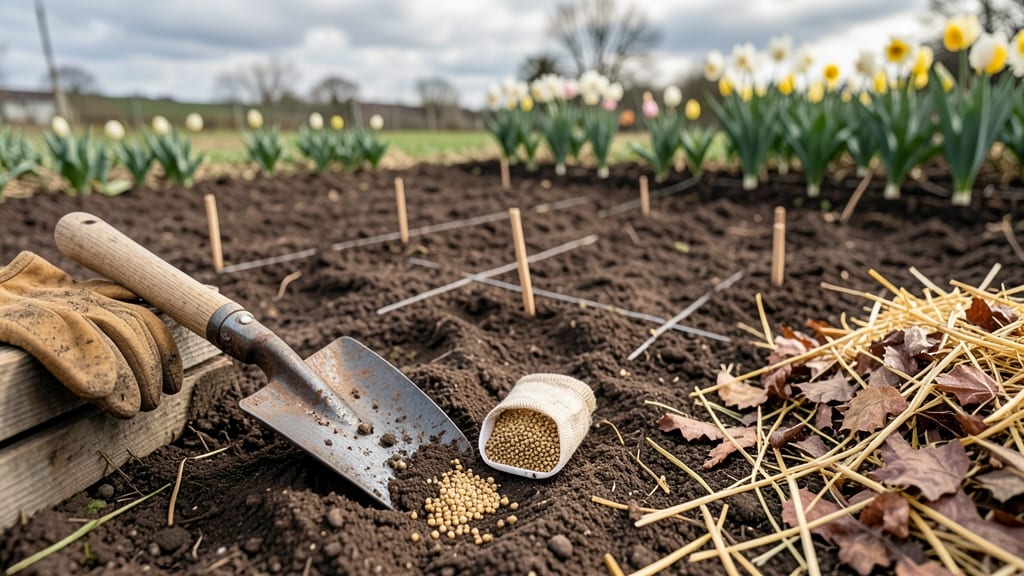
Planting bulbs in the spring is all about timing—get it wrong, and you might end up with sad, bolted greens instead of stunning blooms.
The key isn’t just waiting for the last frost to pass; it’s understanding when your soil warms up enough to support those 🌱 Spring-Planted Bulbs without shocking them.
Most gardeners in USDA Zone 6 (like me!) can start planting as early as March, but there’s a catch: the soil needs to reach at least 50°F—cold soil can trigger early sprouting, leaving your bulbs vulnerable to frost damage.
I’ve learned the hard way that rushing too soon often backfires, so patience pays off.
In this guide, I’ll walk you through the exact soil temperature tricks to time your planting perfectly, regional adjustments for warmer or colder climates, and which bulbs (like tulips and daffodils) thrive with this method. No more guessing—just foolproof results for a garden bursting with color.
Whether you’re a first-time planter or a seasoned gardener, these insights will help you avoid common mistakes and ensure your bulbs bloom stronger and longer than ever before. Let’s get those bulbs in the ground the right way!
Spring bulb planting timeline by soil temperature (not calendar date)
Planting bulbs in the spring isn’t just about checking the calendar—it’s about soil temperature. Most gardeners focus on the last frost date, but bulbs like tulips and daffodils need the ground to warm to 50°F (10°C) before sprouting.
Plant too early, and you’ll get bolted greens that flop in cold snaps. Too late, and you’ll miss the peak flowering window entirely.
Think of bulbs as dormant seeds waiting for the right cue. When soil hits that 50°F threshold, they’ll start growing roots before shoots emerge. This means you can plant 6-8 weeks before your first frost in fall—or wait until early spring when the ground thaws.
The key? Test soil temperature, not just air temperature.
Here’s the golden rule: Tulips, hyacinths, and alliums thrive when planted in cool soil (40-50°F / 4-10°C). Daffodils and fritillaries, however, tolerate slightly warmer soil up to 60°F (15°C). Use a soil thermometer to avoid guesswork—it’s your best tool for perfect timing.
🌱
| Bulb Type | Ideal Soil Temp | Planting Window | Notes |
|---|---|---|---|
| Tulips | 40-50°F (4-10°C) | Fall: 6-8 weeks before frost Spring: After soil reaches 50°F |
Plant pointy end up; mulch after planting. |
| Daffodils | 45-60°F (7-15°C) | Fall: 4-6 weeks before frost Spring: After soil warms to 50°F |
Deer-resistant; great for woodland gardens. |
| Hyacinths | 40-50°F (4-10°C) | Fall: 6-8 weeks before frost Spring: Early spring only |
Fragrant; plant in well-drained soil to prevent rot. |
| Alliums | 45-55°F (7-13°C) | Fall or early spring (tolerates warmer soil) |
Drought-tolerant; great for cut flowers. |
If you’re planting in containers, the rules shift slightly. Potted bulbs warm up faster, so aim for 55°F (13°C) soil temperature. Use black plastic pots or dark-colored containers to absorb heat and speed up the process. Just ensure pots have drainage holes—bulbs rot in soggy soil.
Pro tip: Layer bulbs in pots for a staggered bloom effect. Plant tulips at the bottom (deepest), then daffodils, and top with crocus. This way, you’ll get color from early spring to late summer.
For high-altitude gardens (above 5,000 ft), wait until after the last frost and monitor soil temps closely. Cold nights can delay warming, so extend your planting window by 2-3 weeks compared to lower elevations.
🌿
One common mistake? Planting after the last frost but before the soil warms. Bulbs need consistent warmth to grow roots. If your soil is still below 50°F, hold off—your bulbs will just sit there, waiting. Use a soil thermometer for 3 consecutive days to confirm stability.
Finally, remember: Spring-planted bulbs often bloom later in the season than fall-planted ones. If you’re craving early spring color, focus on crocus and grape hyacinths, which tolerate cooler soil and bloom faster.
5 Signs your soil is ready (and 3 mistakes to avoid)
Spring bulb planting success starts with soil readiness, not just calendar dates. While many gardeners wait for the last frost date, the real magic happens when your soil hits 50°F (10°C)—the temperature where bulbs wake up but won’t bolt into premature growth.
Here’s how to tell when your soil is truly ready for spring bulbs like tulips or daffodils.
First, check for crocus blooms—these hardy flowers often signal it’s safe to plant. If you see them popping up in your yard, your soil has warmed enough for tender bulbs like hyacinths.
Another trick? Press your finger into the soil: if it feels like a warm sponge (not muddy or icy), it’s time to plant.
- 🌡️ Soil temp reaches 50°F (10°C) (use a soil thermometer)
- 🌷 Crocus or snowdrops are blooming in your yard
- 💧 Soil drains well but holds moisture (not soggy)
- 🌱 No more frost heaves in garden beds
- 🌿 Grass and weeds are green and actively growing
Now, let’s talk about the 3 biggest mistakes that sabotage spring bulb planting. First, planting after the last frost date—this is a common trap! Bulbs need 6-8 weeks of cool soil to establish roots before summer heat arrives.
Second, ignoring soil drainage: soggy soil rots bulbs faster than you can say “bloom failure.” Finally, skipping mulch—a 2-inch layer of straw keeps soil temps stable and retains moisture.
Pro tip: If your soil feels too cold, wait! Planting into chilly ground stresses bulbs and can lead to mold or rot. For container gardens, use black plastic pots—they absorb heat and warm up faster than regular containers.
This trick extends your planting window by 1-2 weeks in cooler climates.
One more critical check: pH balance. Most spring bulbs thrive in neutral to slightly acidic soil (6.0-7.0). Test your soil with a kit—if it’s too alkaline, mix in peat moss or sulfur before planting.
Acidic soil? Add lime sparingly. The right pH ensures bulbs absorb nutrients efficiently and bloom bigger.
Remember, spring-planted bulbs like alliums or fritillaries need well-draining soil with organic matter. Amend your beds with compost or aged manure a few weeks before planting. This gives microbes time to break it down, so your bulbs get a nutrient boost from day one.
Don’t let these common pitfalls ruin your spring garden: planting too deep (bury bulbs at 3x their height), using fresh manure (it burns roots), or overwatering after planting.
Once your bulbs are in the ground, water deeply once a week until they sprout—then let nature take over. Your reward? Stunning blooms that outshine last year’s efforts.