
Plants
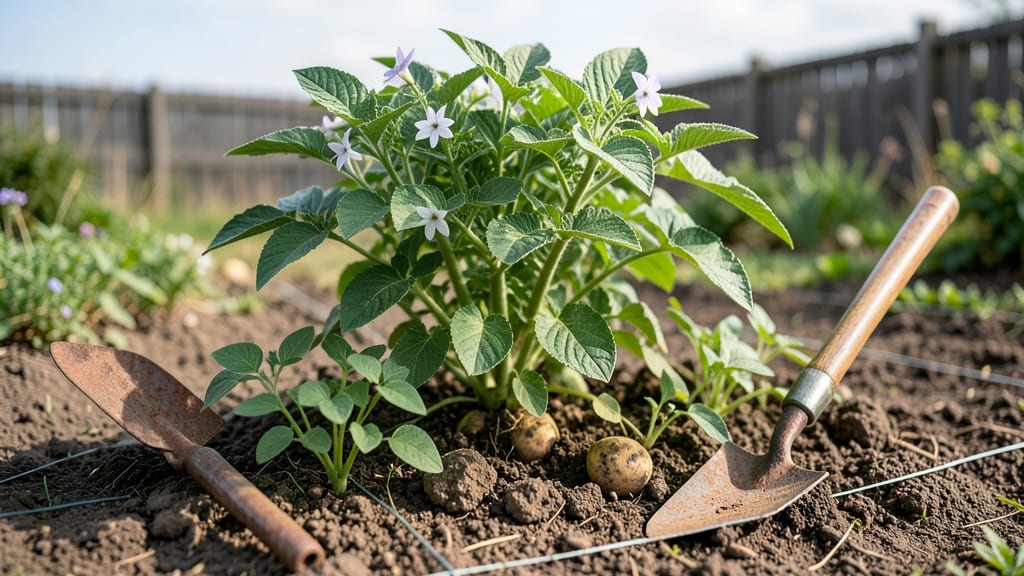
When can you plant potatoes in Texas? If you've ever watched your potatoes bolt into flower stalks before producing a single tuber, you know Texas heat can turn gardening into a gamble. The key to success isn't just picking a month—it's understanding when the soil is ready and how to protect your crop from bolting risks that ruin harvests.
Texas gardeners in zones 8a-10a have two prime windows: fall (September-October) for winter harvests or early spring (February-March) to beat the heat. But timing varies wildly—North Texas freezes by February 15, while South Texas stays warm until March 15.
I'll break down the exact soil temperature tricks that prevent bolting and maximize yields.
Most gardeners focus on frost dates, but the real battle is against heat stress. Potatoes need cool soil (45–50°F) to thrive, and Texas summers make that tricky.
Whether you're in Dallas or Houston, these strategies will help you plant at the perfect moment—no more wasted seed potatoes or bitter disappointments.
Ready to turn your potato patch from a guessing game into a reliable harvest? Let's dive into the soil science and regional adjustments that make all the difference in Texas gardens.
Texas potato planting calendar: exact months by region
Texas spans three distinct climate zones, each with its own last frost dates and ideal planting windows for potatoes. In North Texas (USDA Zones 7b-8a), like Dallas, you’ll want to plant 4-6 weeks before your last frost—typically by February 15—to avoid late-spring heat stress.
Meanwhile, Central Texas (Zones 8a-8b), including Austin, can start as early as February 28, while South Texas (Zones 9a-10a), like Houston, often waits until March 15 to sidestep early bolting risks.
For a fall harvest, Texas gardeners can plant seed potatoes between September and October, leveraging cooler temperatures before the first frost. This strategy works especially well in North and Central Texas, where frosts arrive by November 15 and December 1, respectively.
South Texas, with its milder winters, may extend planting into early November for a late-fall crop.
Timing isn’t just about frost—it’s also about soil temperature. Potatoes thrive when soil reaches 45–50°F. In Texas, this usually aligns with late winter for spring planting and early fall for winter harvests.
If you plant too early, cold soil can stunt growth; too late, and you risk bolting (premature flowering) from heat stress.
Pro Tip: Use a soil thermometer to confirm readiness. If your soil is still below 45°F, wait or use black plastic mulch to warm it faster. For container growing, plant in early March to avoid overheating in summer.
| Region | Last Frost Date | Ideal Spring Planting | Fall Planting Window | Harvest Time |
|---|---|---|---|---|
| North Texas (Dallas) | February 15 | February–March | September–October | April–May (spring) / October–November (fall) |
| Central Texas (Austin) | February 28 | Late February–March | September–October | April–May (spring) / October–November (fall) |
| South Texas (Houston) | March 15 | March–April | September–November | May–June (spring) / November (fall) |
If you’re in South Texas, consider early-maturing varieties like ‘Yukon Gold’ (90 days) to avoid summer bolting. These potatoes can handle warmer soil temps better than Russet Burbank, which prefers cooler conditions.
For North Texas, ‘Red Pontiac’ is a reliable choice—it tolerates cooler soils and resists disease in humid conditions.
For container gardening, adjust your timeline by 2–4 weeks earlier than in-ground planting. Containers heat up faster, so aim to plant seed potatoes by late January in North Texas or February in South Texas.
Use 5-gallon buckets with drainage holes and fill with well-draining potting mix to prevent rot.
One common mistake Texas gardeners make is planting too late in spring, assuming their mild winters mean no frost risk. But by April, soil temps can soar to 70°F+, triggering bolting.
To beat the heat, try shade cloth (30–50%) or plant in partial shade during peak afternoon sun.
For a year-round strategy, combine spring and fall plantings. Start with fall potatoes in September, harvest in November, then replant in February for a summer harvest.
This doubles your yield and spreads out your labor. Just remember: South Texas can often skip the spring planting entirely and focus on fall/winter harvests.
Always chit your seed potatoes (sprout them indoors) 4–6 weeks before planting to jumpstart growth. This is especially critical in Texas’ shorter growing seasons, where every day counts. Place potatoes in a cool, bright spot (like a sunny windowsill) and watch for 1-inch sprouts before transplanting.
How to check soil temperature for perfect potato planting
Potatoes won’t grow if the soil is too hot or cold—45–50°F is the sweet spot for planting. In Texas, where soil can swing from freezing in winter to scorching in summer, checking temperature isn’t optional.
I’ve learned the hard way that planting too early in chilly soil delays sprouting, while waiting too long risks bolting. The solution? A simple soil thermometer and a few key tricks to adjust timing for your region.
Start by testing soil temperature at a depth of 4–6 inches, where potatoes will root. Morning is the best time to check—soil temps are most stable then. If your thermometer reads below 45°F, wait a few days and retest.
In North Texas, this might mean delaying planting until late February, while South Texas gardeners can plant as early as mid-February. The goal? Plant when the soil is consistently warm enough for 3–5 days in a row.
Soil Temp Check
- Use a soil thermometer at 4–6" depth (where roots grow).
- Test morning temps for accuracy—soil cools overnight.
- Wait until temps hit 45–50°F for 3+ days straight.
- In North Texas, aim for late February; in South Texas, mid-February works.
- If soil is too cold, use row covers or cold frames to warm it faster.
If your soil is still too cold when you’re ready to plant, don’t rush—cold soil stunts growth. Instead, use black plastic mulch or straw bales to warm the soil 2–3 weeks faster.
I’ve seen this trick raise soil temps by 10°F in just 7 days, giving me the perfect window to plant without waiting for spring. For gardeners in Central Texas, this is especially useful in March when days warm up quickly but nights stay cool.
Once the soil is ready, plant your seed potatoes 3–4 inches deep and cover them with 2–3 inches of loose soil. As the plants grow, mound soil around the stems to encourage more tuber formation.
This method, called hilling, also keeps the soil cooler around the tubers, reducing bolting risks. I’ve found that hilling every 2–3 weeks during the growing season boosts yields by up to 30% in my Texas garden.
For those planting in fall for winter harvests, aim for soil temps between 50–60°F in September or October. Use a minimum-maximum thermometer to track daily fluctuations—potatoes hate sudden swings. If temps drop below 40°F, protect your crop with frost blankets or move pots to a sheltered spot.
In South Texas, fall planting can stretch into November, but always check soil temps first.
Remember, soil temperature > air temperature when it comes to potatoes. Even if the air feels warm, the ground might still be too cold. Investing in a $10 soil thermometer could save you from planting too early and risking frost damage—or too late and triggering bolting.
With these tricks, you’ll nail the perfect planting window every time, no matter where you garden in Texas.