
Planting
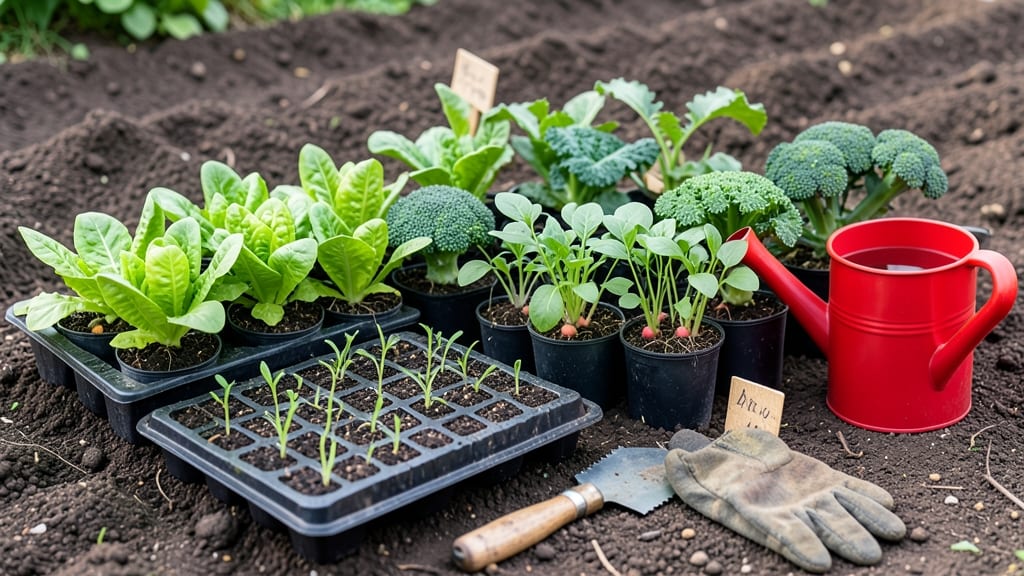
Planting a fall garden in Texas isn’t just about timing—it’s about beating the heat while avoiding that dreaded first frost. The key lies in knowing exactly when to start, down to the county, so your zero-frost crops thrive without bolting or freezing.
Texas gardeners face a unique challenge: scorching summers that linger into September and unpredictable frost dates that vary wildly from North to South. But with the right schedule, you can grow crisp lettuce, hearty kale, and sweet radishes straight through fall—no frost required.
I’ve researched county-specific planting windows to give you the exact dates for your region, whether you’re in the Panhandle or the Rio Grande Valley. We’ll cover soil prep, heat-tolerant varieties, and how to stretch your harvest until December.
Let’s dive into the game-changer strategies that’ll turn your Texas fall garden into a year-round success—without the guesswork.
Texas fall planting calendar by region: zero-frost crops timing guide
Texas's diverse climate means fall planting windows vary dramatically from the Panhandle to South Texas. Unlike spring, where heat is the enemy, fall gardeners must balance residual summer heat with approaching frost risks.
Plant too early, and your baby greens bolt into flower; too late, and a 28°F frost wipes out your harvest. The key? County-specific timing based on last frost averages and heat-tolerant varieties.
Texas is divided into four key regions for fall gardening: North (USDA Zones 7-8), Central (Zones 8-9), South (Zones 9-10), and West (Zones 7-10). Each has unique frost dates and heat thresholds.
For example, Lubbock (North) has a first frost around November 15, while Houston (Central) rarely sees frost until December 20. South Texas gardeners in Brownsville can extend harvests until January.
| Region | Key Counties | Last Frost Avg. | Ideal Planting Window | Zero-Frost Crops |
|---|---|---|---|---|
| North | Lubbock, Amarillo, Abilene | Nov 15 | Aug 15 - Sep 30 | Lettuce, Spinach, Kale, Radishes |
| Central | Dallas, Austin, San Antonio | Dec 1 | Aug 1 - Oct 15 | Broccoli, Carrots, Swiss Chard, Green Onions |
| South | Houston, Corpus Christi, Brownsville | Dec 20 - Jan 15 | Jul 15 - Nov 1 | Collards, Mustard Greens, Turnips, Beets |
| West | El Paso, Midland, Odessa | Nov 1 - Nov 15 | Aug 1 - Oct 1 | Cabbage, Cauliflower, Peas, Lettuce |
For North Texas, aim to plant cool-season crops by mid-August to avoid 90°F+ soil temperatures, which stunt root growth. Use shade cloth if planting early—even lettuce bolts at 85°F soil temps.
In Central Texas, where summers linger longer, start with heat-tolerant varieties like 'Black Seeded Simpson' lettuce or 'Heat-Tolerant' spinach as early as July.
South Texas gardeners enjoy the longest growing season, but hurricane season (June-Nov) can disrupt planting. Prioritize fast-maturing crops like radishes (25 days) or bush beans (50 days) for early August sowings. The West faces unique challenges with low humidity and high winds, so mulch heavily to retain moisture and use windbreaks for delicate greens.
Pro tip: Adjust for microclimates. A north-facing garden stays cooler by 10°F+ than a south-facing bed, allowing earlier plantings. Use a soil thermometer—ideal temps for fall crops are 60-75°F. If your soil runs hotter, wait until late August or use black plastic mulch to cool roots.
Don’t forget succession planting! In Central and South Texas, sow fast crops every 2 weeks from August through October to ensure continuous harvests. For example, plant radishes on August 1, 15, and 30—each batch will mature before the next frost threat arrives.
Finally, protect your investment with row covers or cold frames in North and West Texas. A lightweight frost blanket can extend harvests by 2-4 weeks after the first frost date. In South Texas, focus on season-extending techniques like low tunnels to combat unpredictable cold snaps.
With these region-specific dates and <
5 Critical factors that determine your fall planting success in Texas
Timing your fall garden in Texas isn't just about dates—it's about understanding five critical factors that separate thriving harvests from disappointing failures. I've learned the hard way that ignoring these can mean the difference between crisp kale and wilted lettuce. Let's break down what really matters for Texas gardeners.
First, soil temperature is your biggest clue. Most fall crops need soil between 60-75°F to germinate properly. In North Texas, this means waiting until mid-August, while South Texas can start as early as late July.
Use a soil thermometer—don't guess! Cool soil slows growth, and warm soil can trigger bolting in leafy greens.
Second, day-length sensitivity affects which crops you can grow. Short-day plants like broccoli and cabbage need fewer than 12 hours of daylight to flower. In Texas, this shift happens around late September, so plan accordingly.
Long-day plants like spinach will bolt if days get too short—watch for this in October plantings.
60-75°F for germination; use thermometer
Short-day plants need <12 hours daylight
Choose 'Heat-Tolerant' labels for fall starts
Morning watering prevents fungal risks
Row covers extend harvest by 2-3 weeks
Third, heat-tolerant varieties are your secret weapon. Look for labels like "Heat-Tolerant" or "Slow-Bolting" when selecting spinach, radishes, or turnips. My favorite for Texas falls is 'Tyee' spinach—it handles 90°F soil better than standard varieties. Check seed packets for heat tolerance ratings before buying.
Fourth, irrigation timing makes or breaks your fall garden. Watering at morning (before 9 AM) prevents fungal diseases like downy mildew, which thrives in Texas's humid nights.
Use drip irrigation to keep leaves dry—overhead watering is a recipe for disaster in fall gardens. I've seen entire lettuce beds ruined by night watering in October.
Finally, frost protection is non-negotiable. While Texas rarely gets hard freezes, light frosts (32°F) can damage tender crops. Use floating row covers or cloches to extend harvests by 2-3 weeks.
In North Texas, this means protecting crops until mid-November, while South Texas can often go until December. I've successfully grown kale through Christmas using simple agricultural fabric.
Master these five factors, and you'll transform your Texas fall garden from a gamble into a reliable harvest. Start with soil tests, choose the right varieties, and never skip the morning watering—your future self (and your dinner table) will thank you. 🌱