
Plants
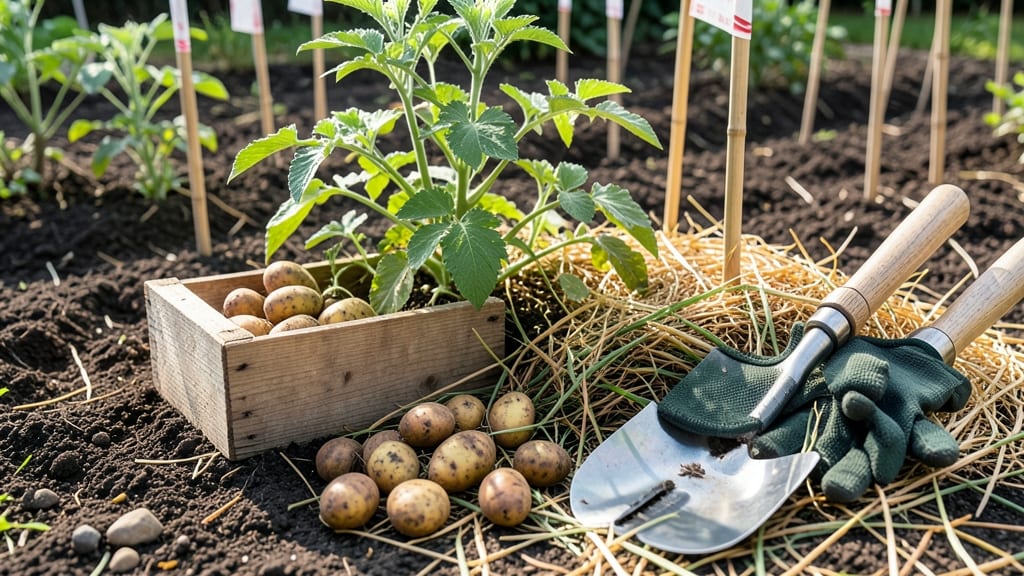
Planting potatoes in Zone 5 doesn't have to be a gamble—get the timing wrong, and you risk losing your entire crop to frost or missing the sweet spot for a bumper harvest.
The key is understanding your last frost date and choosing the right cold-hardy varieties to work with your short growing season.
I’ve learned the hard way that rushing into the garden too early can backfire, especially when temperatures fluctuate. But with a little preparation—like chitting your seed potatoes indoors or using row covers—you can safely plant as early as two to four weeks before your last frost date.
That means late March or early April for most of Zone 5, depending on your exact location.
Whether you’re a first-time gardener or a seasoned pro, the right approach makes all the difference. In this guide, I’ll break down the best planting windows, the top frost-resistant varieties, and how to protect your crop from late-season chills. Let’s get those spuds in the ground the smart way!
From soil temperature checks to succession planting, you’ll discover exactly how to maximize your harvest—no guesswork required. Ready to dig in?
Best planting times for potatoes in Zone 5: frost-free strategies
In Zone 5, where last frost dates can vary from April 15 to May 15 depending on your exact location, timing your potato planting is critical. The key is to plant when the soil temperature reaches 45°F (7°C)—this ensures roots establish before frost risks return.
My rule of thumb? Aim for 2-4 weeks before your last frost date, but never plant when soil is still icy or waterlogged.
For example, if your last frost is May 1, I plant my early varieties around April 15 and late varieties by May 10. This staggered approach maximizes yield by spreading out harvest windows.
In colder microclimates within Zone 5 (like northern Wisconsin or upstate New York), I often delay planting until mid-May to avoid frost damage to young sprouts.
Here’s the secret most gardeners miss: chitting potatoes indoors 4-6 weeks before planting. This pre-sprouting trick gives you a 2-3 week head start on growth, which is invaluable in Zone 5’s short season.
I place seed potatoes in a cool, bright spot (50-60°F/10-15°C) with sprouts facing up—this ensures they’re ready to hit the ground running when soil warms.
Another strategy I swear by is fall planting for late-season harvests. If you plant seed potatoes in late summer (August), they’ll sprout roots before winter but stay dormant until spring. By early June, you’ll have a second crop ready—perfect for extending your harvest into July or August.
This works best with early-maturing varieties like Red Norland or Yukon Gold.
Let’s talk soil temperature—this is where many Zone 5 gardeners go wrong. Potatoes won’t thrive in cold soil (<45°F/7°C). I use a soil thermometer to confirm readiness, especially in wet springs.
If your soil is still chilly, wait—rushing leads to rotting tubers and poor yields. Patience here pays off with healthier plants and bigger harvests.
Now, let’s address the Zone 5 frost risk. Even after your last frost date, late frosts can sneak in. To protect young plants, I use frost blankets or row covers until the plants reach 6 inches tall.
This simple trick adds 1-2 weeks of frost protection, giving your potatoes extra time to establish before summer heat arrives.
🥔 Zone 5 Potato Planting Comparison
| Method | Planting Window | Soil Temp | Frost Risk | Best Varieties |
|---|---|---|---|---|
| Early Spring | 2-4 weeks before last frost | 45-50°F (7-10°C) | High (use row covers) | Yukon Gold, Kennebec |
| Late Spring | After last frost (May-June) | 50-55°F (10-13°C) | Low | Red Pontiac, Fingerlings |
| Fall Planting | August-September | 55-60°F (13-16°C) | None (dormant) | Red Norland, Early Rose |
💡 Pro Tip: Adjust planting dates by 1-2 weeks based on your local microclimate—higher elevations or northern areas need later starts.
Don’t overlook succession planting—this is how I stretch my potato harvest from July to September. Plant a new batch every 2-3 weeks until mid-June. This ensures a steady supply of fresh potatoes without overloading your garden at once.
For example, I’ll plant 50% of my seed potatoes in April, another 30% in May, and the final 20% in early June.
One common mistake I see in Zone 5 gardens? Planting too deeply. Potatoes need 3-4 inches of soil cover initially, but as they grow, mound soil up around the stems (a process called hilling).
This prevents sunlight from turning tubers green and toxic. I hill my potatoes when they reach 6 inches tall, adding 4-6 inches of soil per hilling session until the plant’s base is covered.
Finally, remember that Zone 5’s climate varies wildly—even within a single county. Check your local frost dates (your cooperative extension office is a great resource) and adjust accordingly. For instance, Chicago’s suburbs might have frost until May 10, while western Pennsylvania
Best planting times for potatoes in Zone 5: frost-free strategies
Timing your potato planting in Zone 5 is all about balancing soil warmth and frost risk. Unlike warmer zones, Zone 5’s short growing season demands precision—plant too early, and frost will kill tender sprouts; too late, and you’ll miss the 90-day harvest window for most varieties.
The key is to start when soil temperatures hit 45°F (7°C), typically 2-4 weeks before your last frost date.
For Zone 5 gardeners, this usually means planting between late April and mid-May, but regional variations matter.
Northern Zone 5 areas (like Minnesota or Maine) may wait until May 1-15, while southern edges (like Ohio or Pennsylvania) can start as early as late March or early April with frost protection. Always check your local USDA Plant Hardiness Zone Map for precise timing.
Here’s the golden rule: Plant when soil is workable—not just frost-free. Cold soil slows germination, leaving potatoes vulnerable to rot. Use your finger to test: if soil feels cool but crumbles easily, it’s ready.
For extra security, use a soil thermometer to confirm 50°F (10°C) at 4-inch depth, the ideal temperature for sprouting.
🌱
Pro tip: Chitting potatoes (pre-sprouting in light) gives you a 2-week head start. Place seed potatoes in a cool, bright spot (like a sunny windowsill) 4-6 weeks before planting. Look for ½-inch sprouts before setting them in the ground—this ensures faster emergence when soil warms.
For Zone 5’s unpredictable springs, consider staggered planting: sow 1/3 of your crop every 2 weeks to spread out harvests and reduce frost risk.
This works especially well for early-maturing varieties like Red LaSoda (60 days) or Adirondack Blue (70 days), which can tolerate cooler soils better than longer-season types.
🌿