
Plants
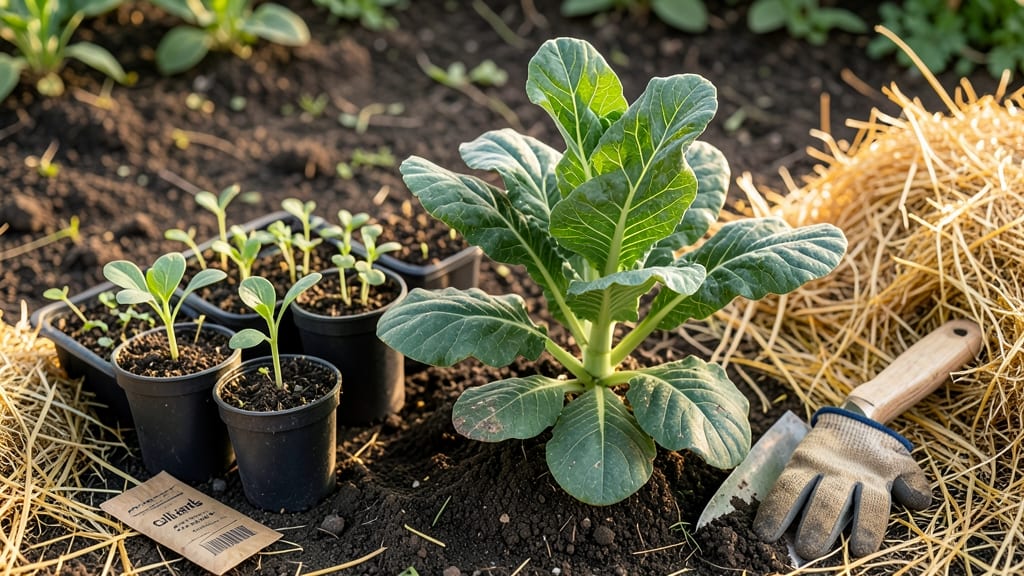
Planting collards in Alabama at the wrong time could mean missing out on those sweet, tender leaves you crave—especially when your spring harvest peaks in April or your fall crops last until March.
The key to success? Timing your planting to dodge early frosts in North Alabama or the lingering summer heat in the South.
While many gardeners assume "spring" means March, Alabama’s USDA zones 7b-8b actually allow for two prime planting windows: early spring (February-March) and late summer (August-September). But here’s the catch—planting too soon risks frost damage, while waiting too long can leave you with bitter leaves.
I’ll break down the exact frost-free timeline so your 🥬 collards thrive year-round.
Whether you’re in Birmingham’s cooler hills or Mobile’s warmer coastal plains, the right schedule makes all the difference. You’ll learn how to stretch your harvest from October through March and avoid common mistakes that waste time and effort. Let’s get those collards growing the way Alabama gardeners do it best.
Ready to enjoy homegrown greens that taste better than store-bought? The secret starts with knowing when to put those seeds in the ground—and I’ve got the exact dates you need to succeed. Let’s dive in.
Optimal collard planting dates in Alabama by region (north vs. South)
Alabama’s diverse climate means North Alabama (USDA zones 7a-7b) faces colder winters than South Alabama (zones 8a-8b). This difference shifts your collard planting windows by 2-4 weeks.
For example, Huntsville gardeners should start seeds indoors in January, while Mobile gardeners can direct-sow outdoors as early as mid-February. Understanding these regional differences helps you avoid frost damage while maximizing your harvest.
The Alabama Extension recommends planting collards 4-6 weeks before your first expected frost for fall harvests or after your last frost date for spring plantings. In North Alabama, this typically means late February to early March for spring, while South Alabama can start as early as January.
Fall plantings should begin by late August in the north and mid-August in the south to ensure mature plants before winter.
Here’s how to adapt your planting schedule based on your Alabama region:
For North Alabama gardeners, I recommend starting collard seeds indoors in January for an early spring transplant. This head start helps young plants establish before the last frost hits.
In South Alabama, you can often direct-sow seeds outdoors in February without worrying about frost, but always check your local Alabama Weather Network for updates.
Collards thrive in cool weather (ideal temperatures between 50°F and 75°F), so avoid planting during Alabama’s summer heat (June-August). If you miss the spring window, your next best bet is a late summer planting (August-September) for a fall harvest before winter sets in.
This strategy works especially well in South Alabama, where winters are milder.
Pro tip: Use row covers or cold frames to extend your growing season. These tools let you plant collards as early as January in South Alabama or push your fall harvest into December in North Alabama. Just remember to remove covers during the day to prevent overheating.
Soil temperature also plays a crucial role. Collard seeds won’t germinate well in cold soil (below 50°F). In Alabama, this usually means waiting until soil temperatures stabilize in late February or March.
You can test this with a soil thermometer or wait until dandelions bloom—a natural indicator that soil is warming up.
One mistake I see often is planting collards too close to summer. Alabama’s heat causes collards to bolt (flower prematurely), ruining their tender leaves.
If you’re eager for a summer harvest, try heat-tolerant varieties like ‘Georgia Southern’ or ‘Top Bunch’, which handle our 90°F+ days better than traditional types.
Finally
Optimal collard planting dates in Alabama by region (north vs. South)
Alabama’s varied climate means North Alabama (USDA zones 7a-7b) faces earlier frosts than South Alabama (zones 8a-8b). Timing your collard planting to avoid frost while maximizing growth is key.
In North Alabama, the last spring frost typically hits around March 15, while South Alabama enjoys frost-free conditions until November 15. This creates a 6-week window difference for planting and harvest timing.
For spring planting, aim to sow seeds 4-6 weeks before your last frost date. In North Alabama, that’s mid-February to early March, while South Alabama gardeners can start as early as late January.
Fall planting should begin 8-10 weeks before the first frost, meaning August for North Alabama and early September for South Alabama. This ensures your collards mature before winter sets in.
Alabama Extension data shows that fall-planted collards often produce sweeter, more tender leaves than spring varieties. The cooler temperatures after summer heat stress help them develop richer flavors.
However, if you miss the fall window, spring planting is still viable—just be prepared for a shorter harvest season before summer heat arrives.
| Region | USDA Zone | Spring Planting Window | Fall Planting Window | Harvest Window |
|---|---|---|---|---|
| North Alabama | 7a-7b | Mid-February to early March | August (8-10 weeks before frost) | April-May (spring) or October-March (fall/winter) |
| South Alabama | 8a-8b | Late January to February | Early September (extended window) | March-May (spring) or September-April (fall/winter) |
🌱 Pro Tip: Use row covers to extend fall harvests by 2-3 weeks in both regions.
If you’re unsure about your exact frost dates, use the Alabama Agricultural Statistics Service frost maps or local Cooperative Extension offices for precise guidance. For example, Huntsville (North Alabama) averages its last frost on March 20, while Mobile (South Alabama) rarely sees frost before December 15.
Adjust your planting schedule accordingly to avoid frost damage or bolting due to heat stress.
For container gardening, start seeds indoors 6-8 weeks before transplanting to give them a head start. This is especially useful in North Alabama, where shorter growing seasons limit outdoor planting windows. Use biodegradable pots to minimize transplant shock when moving seedlings outdoors.
Remember, collards thrive in cool weather and can even tolerate light frosts once established. In South Alabama, you can often enjoy year-round harvests with proper succession planting and seasonal adjustments.
The key is balancing planting dates with local microclimates—whether you’re in the Appalachian foothills or the Gulf Coast.