
Plants
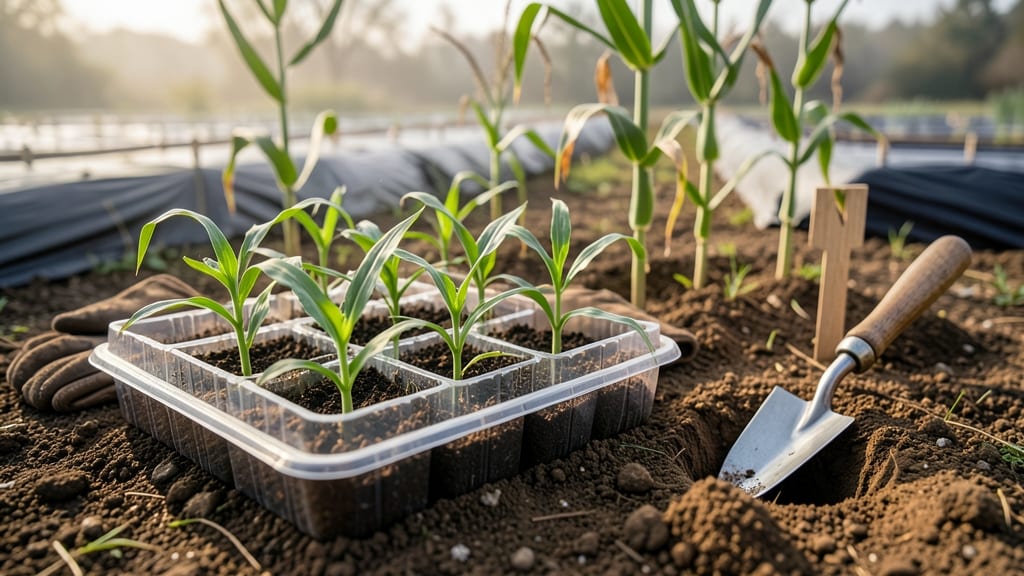
Planting corn in Tennessee at the wrong time could mean the difference between a bumper crop of sweet 🌽 ears and a sad, stunted harvest.
Since the state spans USDA zones 6a-7b, timing matters more than you might think—especially when late frosts or summer heat can throw off your entire season.
Most gardeners in Tennessee aim to plant corn between mid-April and early June, but the exact window depends on your region. East Tennessee’s cooler springs may need a later start, while Middle Tennessee’s warmer soil can handle earlier sowing.
The key? Wait until the soil hits 60°F and at least 2 weeks after the last frost—no exceptions.
Why does this matter so much? Corn thrives on warmth and consistency, and planting too early risks frost damage, while waiting too long can lead to drought stress.
I’ll break down the best dates for early, mid, and late varieties, plus how to adjust if Mother Nature throws you a curveball.
Ready to grow corn that’s plump, sweet, and ready by late July? Let’s dive into the exact planting schedule—and pro tips—to ensure your garden delivers the harvest of your dreams.
Best corn planting dates in Tennessee by heat zone (zones 6b-8a)
Tennessee’s USDA zones 6b-8a create a unique challenge for corn growers—cool mountain springs in East Tennessee clash with warmer lowland summers in Middle Tennessee. To nail your planting window, focus on soil temperature (minimum 60°F) and last frost dates, which vary by 2-3 weeks across the state.
Most gardeners in West and Middle Tennessee (zones 7a-8a) can start planting as early as mid-April, while those in East Tennessee (zones 6a-6b) should wait until late April to early May.
The difference? Warmer microclimates in the western regions allow earlier sowing, but cooler highland areas risk frost damage if planted too soon.
Here’s the golden rule: Plant corn 2-3 weeks after your average last frost date and only when soil temperatures consistently stay above 60°F for at least a week. Corn seeds won’t germinate below 50°F, and seedlings are highly frost-sensitive—even a light freeze can kill them.
For early-season varieties (like ‘Silver Queen’), aim for April 15–May 1 in most of Tennessee. Mid-season varieties (such as ‘Peaches and Cream’) thrive with May 1–15 planting, while late-season varieties (like ‘Bodacious’) can go in until early June for a fall harvest.
| Region & Zone | Last Frost Date | Ideal Planting Window | Soil Temp Check | Notes |
|---|---|---|---|---|
| West TN (Zones 7b-8a) | Mid-April | April 15–May 1 | ≥60°F (use soil thermometer) | Warmer soil = earlier planting |
| Middle TN (Zones 7a-7b) | Late April | April 20–May 10 | ≥60°F (wait for consistency) | Moderate risk of late frost |
| East TN (Zones 6a-6b) | Early May | May 1–15 | ≥60°F (cooler soils delay germination) | High elevation = later planting |
| All Regions | N/A | Late June (backup for late frosts) | N/A | Smaller ears but still harvestable |
Pro tip: Use a soil thermometer to confirm readiness—corn seeds need consistent warmth to sprout. If your soil is still cold, cover beds with black plastic mulch for 1-2 weeks to warm it up faster. This trick works especially well in East Tennessee’s cooler climates.
For maximum yields, plant corn in blocks (not rows) to ensure cross-pollination. Space seeds 1 inch deep and 4-6 inches apart, then thin seedlings to 12 inches apart once they’re 6 inches tall. This gives roots room to breathe and reduces competition for nutrients.
If you’re planting multiple varieties, separate them by at least 50 feet to prevent cross-contamination. And remember: Corn is a heavy feeder, so amend your soil with compost or aged manure before planting.
A balanced 10-10-10 fertilizer at planting time gives seedlings the boost they need to reach for the sun.
Finally, keep an eye on the 7-day forecast before planting. If rain is predicted, delay sowing by a week—corn seeds rot in waterlogged soil. Aim for dry, warm conditions to give your seeds the best possible start.
With these dates and tips, you’ll be well on your way to a bountiful corn harvest—just in time for summer grilling! 🌽
How to adjust corn planting for Tennessee’s unpredictable weather patterns
Tennessee’s weather can be as unpredictable as a summer storm—one day warm and sunny, the next a late frost or downpour that throws off your planting schedule. The key to success? Flexibility.
If you’ve ever had your corn seedlings nipped by frost or drowned in spring rains, you know how quickly things can go wrong. But with the right adjustments, you can turn Tennessee’s quirks into advantages.
First, always have a backup planting plan. If a late frost hits in West Tennessee (zones 7b-8a) after your initial planting, don’t panic—corn can handle a light frost if it’s at least 6 inches tall.
For extra protection, cover seedlings with row covers or old blankets if frost is forecasted in the next 48 hours. This buys you time to replant if needed.
Here’s where a soil thermometer becomes your best friend. Corn seeds won’t germinate below 50°F, but even if the air warms up, cold soil can stall growth. In East Tennessee (zones 6a-6b), where cooler springs are the norm, consider using black plastic mulch 1-2 weeks before planting.
This warms the soil by 5-10°F, speeding up germination and giving you a head start.
Traditional Planting (April–May)
- Aligns with peak soil warmth
- Lower risk of late frosts in most regions
- Longer growing season for larger ears
- Vulnerable to spring rains (seed rot risk)
- Late frosts can kill seedlings in East TN
- Drought stress if summer heat arrives early
Extended-Season Planting (June–July)
- Avoids late frost risks
- Smaller ears but escape summer droughts
- Good for late-season varieties (e.g., ‘Bodacious’)
- Shorter growing season = smaller ears
- Higher pest pressure (corn earworms thrive in heat)
- Harvest timing may clash with fall rains
If you’re planting in June or July as a backup, choose drought-tolerant varieties like ‘Bodacious’ or ‘Golden Bantam.’ These handle Tennessee’s summer heat better and still produce harvestable ears, even if they’re smaller.
Just be prepared for more pests—cover ears with silicone earworm bags at tasseling to protect your crop.
Another trick? Plant a successive crop every 2 weeks from April to June. This spreads out your harvest and reduces the impact of any single weather event. For example, if your first planting gets hit by frost, your second batch might still thrive.
It’s extra work, but it’s a surefire way to guarantee corn on your table.
Finally, monitor the 7-day forecast like a hawk. If heavy rain is predicted, delay planting until the ground dries out—corn seeds rot in waterlogged soil. And if a heatwave is coming, prioritize watering in the early morning to keep roots cool.
With these adjustments, you’ll turn Tennessee’s weather from a threat into a manageable challenge.
Remember: The goal isn’t perfection—it’s adaptability. Even the best-laid plans can go awry, but with these strategies, you’ll still end up with a bountiful harvest—no matter what Mother Nature throws your way. 🌾