
Plants
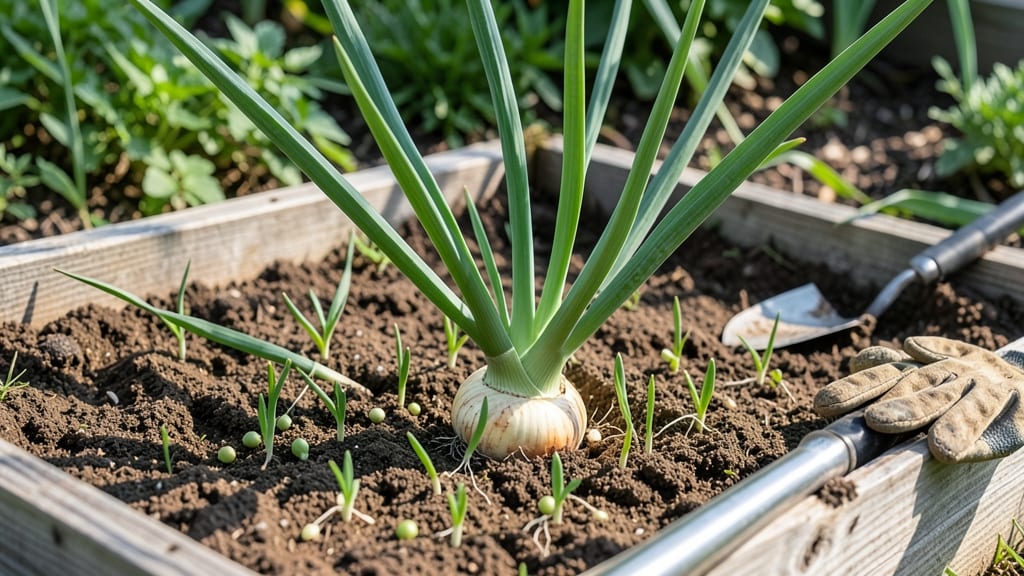
Planting onions in Ohio isn't just about grabbing some sets from the store—it's about timing them perfectly to avoid frost damage and maximize those big, sweet bulbs you'll harvest later.
The 4-6 weeks before your last frost date is your sweet spot, whether you're sowing seeds or popping in onion sets, and getting it wrong can mean the difference between a bumper crop and a sad, stunted 🧅.
I’ve learned the hard way that Ohio’s USDA Zone 6a climate demands precision. Too early, and a late frost will turn your tender seedlings into sad, mushy messes. Too late, and your onions might bolt before they bulk up.
The key is knowing your exact last frost date—typically around April 15 in most of the state—and working backward from there.
But here’s the thing: Ohio’s weather is unpredictable, and not every region plays by the same rules. Whether you’re in Columbus, Toledo, or Cincinnati, your planting window might shift by a few weeks.
That’s why I’m breaking down the exact schedule—including when to plant for spring and fall harvests—so you can set your calendar and get those onions in the ground at the perfect moment.
Ready to grow onions that rival the ones at the farmers' market? Let’s dive into the step-by-step guide, from soil prep to spacing, so you can enjoy a harvest of plump, flavorful bulbs all season long.
Ohio onion planting schedule: exact weeks before last frost for bulb formation
Ohio’s variable climate makes precise timing crucial for onion bulb development. Unlike many vegetables, onions need cool soil and long daylight to form plump bulbs. Planting too early risks frost damage, while waiting too long reduces yield.
Here’s my data-backed schedule for Ohio’s USDA zones 5-7, covering both seedlings (sets) and transplants.
For spring planting, aim to plant 4-6 weeks before your last frost date. In most of Ohio, this falls between late March and mid-April.
Southern Ohio (like Cincinnati) can start as early as mid-March, while northern areas (like Toledo) may need to wait until early April. Fall planting is also possible, with late August to mid-September windows for a second harvest before winter.
Onion bulbs form best when daylight exceeds 14 hours, which happens naturally in Ohio by mid-May. This is why planting too early (like February) can lead to bolt-prone onions—they’ll flower instead of bulbing.
My trick? Use black plastic mulch to warm soil faster in cooler zones, giving you a 2-week head start.
| Planting Method | Ohio Planting Window | Weeks Before Last Frost | Key Consideration |
|---|---|---|---|
| Onion Sets (Pre-grown) | Late March - Mid-April (Spring) / Late August - Mid-September (Fall) | 4-6 weeks | Faster harvest; ideal for short seasons |
| Transplants (Seedlings) | Early April - Early May | 3-5 weeks | More variety options; needs warmer soil |
| Direct-Seeded | Mid-April - Early May | 2-4 weeks | Cheaper; slower bulb formation |
Ohio’s last frost dates vary by 1-2 weeks across regions. For example, Columbus (Zone 6a) typically sees its last frost around April 15, while Toledo (Zone 5b) may not reach frost-free until April 25.
Calculate your planting window by counting 6 weeks back from your local last frost date. I recommend checking the Old Farmer’s Almanac or your local Cooperative Extension for precise dates.
For fall planting, focus on short-day onion varieties like ‘Sweet Sandwich’ or ‘Texas Early White’. These bulbs mature faster in Ohio’s shorter fall days. Plant in late August for a September-October harvest before hard frosts arrive.
Avoid planting after September 15, or your onions may bolt prematurely due to cold stress.
Soil preparation is just as critical as timing. Onions thrive in well-draining, slightly acidic soil (pH 6.0-7.0). Before planting, amend your soil with compost or aged manure to improve fertility.
I also recommend adding a balanced fertilizer (10-10-10) at planting time to encourage early growth. Test your soil first—Ohio’s clay-heavy soils often need sand or peat moss to prevent waterlogging.
One common mistake? Planting onions too deep. Sets should sit with only 1/2 inch of soil covering them, while transplants need 1 inch of soil at the crown. Deeper planting can cause rot or stunted growth.
Mark your rows with stakes or flags to avoid disturbing them later. Thinning seedlings to 4-6 inches apart also prevents competition and ensures larger bulbs.
After planting, maintain consistent moisture—onions need 1 inch of water per week, but avoid overhead watering to prevent fungal diseases like downy mildew. Mulch with straw or grass clippings to retain moisture and suppress weeds.
By following this schedule, you’ll harvest plump, flavorful onions ready for storage or cooking by mid-summer!
Ohio onion planting schedule: exact weeks before last frost for bulb formation
Ohio’s USDA zones 5-7 mean your onion planting window hinges on last frost dates—typically mid-April in most regions. For spring onions, aim to plant 4-6 weeks before your area’s last frost, giving bulbs time to mature before summer heat.
Fall-planted onions need 8-10 weeks before the first frost, usually by mid-August.
Onions thrive in cool-season temperatures (40°F–70°F), so timing is critical. Planting too early risks frost damage, while late planting leads to small, pungent bulbs instead of sweet, full-sized harvests. Ohio’s variable spring weather adds another layer—watch for consistent soil temperatures above 50°F before planting.
🌱 Comparison Table: Planting Onions in Ohio
| Method | Planting Window | Depth | Spacing |
|---|---|---|---|
| Sets (small bulbs) | 4-6 weeks before last frost (March) | 1 inch deep | 4-6 inches apart |
| Seeds | 8-10 weeks before last frost (Feb) | ¼ inch deep | 6 inches apart |
| Fall Planting | 8-10 weeks before first frost (Aug) | 1 inch deep | 4-6 inches apart |
For northern Ohio (e.g., Cleveland, Toledo), adjust planting 1-2 weeks later due to later frost dates. Southern Ohio (e.g., Cincinnati, Columbus) can plant 1-2 weeks earlier. Always check your local frost dates—the Ohio State University Extension provides updated forecasts.
Pro tip: Use row covers to extend your season by 2-3 weeks if frost threatens.
Onion bulbs need 120-150 days to mature, so calculate backward from your first frost date.
For example, if frost hits October 15, plant sets by June 15 for a fall harvest. Short-day onions (like Texas Sweet) are ideal for Ohio—they form bulbs when daylight shortens, aligning with our fall planting window.
Soil prep is just as critical as timing. Test your soil’s pH (6.0–7.0) and amend with compost or lime if needed. Onions are light feeders, so avoid over-fertilizing—too much nitrogen produces leafy greens over bulbs.
Mulch with straw or grass clippings to retain moisture and suppress weeds, especially during Ohio’s hot, dry summers.
Remember: Onion sets (pre-grown bulbs) are faster and easier for beginners, while seeds offer more variety but require patience. Whether you choose sets or seeds, consistent moisture and full sun are non-negotiable for sweet, plump bulbs.
Start your onions early, and you’ll reward yourself with a homegrown harvest by midsummer! 🧅