
Plants
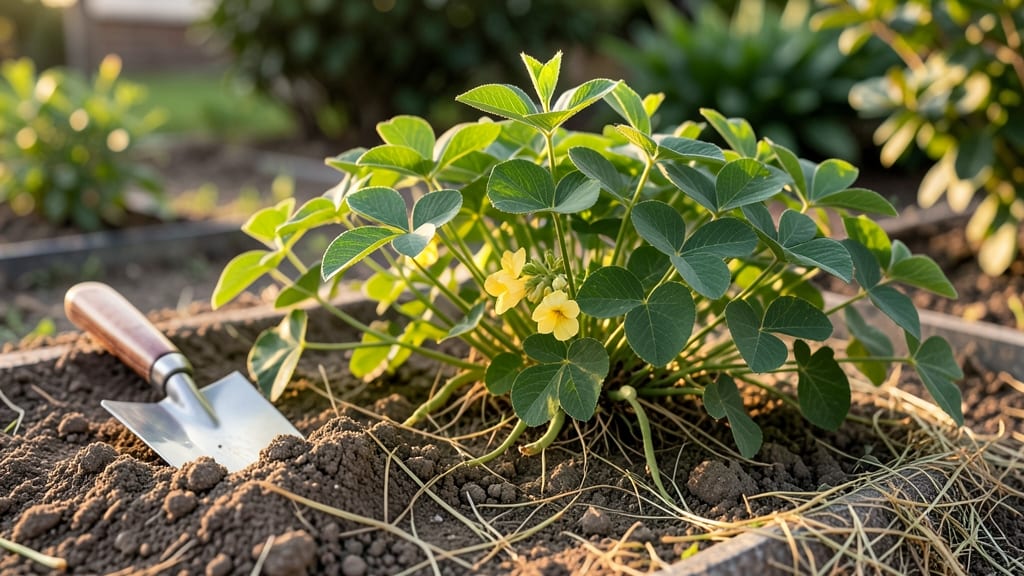
Planting peanuts in Georgia isn’t just about throwing seeds in the dirt—it’s about catching that narrow window between frost and scorching heat. Miss the mark, and you’re either staring at frozen soil or watching your crop wilt under summer’s intensity.
The sweet spot? Late April to early June, when soil temperatures hit 68°F+ and the threat of frost has faded for good.
Here’s the catch: Georgia’s 7b-8b zones create two distinct planting realities. Coastal areas like Savannah can start as early as mid-April, while Piedmont counties (think Cobb or Forsyth) often wait until late April to avoid late-season frost surprises.
Even a week’s delay can mean the difference between a bumper crop of 🥜 and a disappointing yield.
But timing isn’t just about the calendar—it’s about reading your soil and sky. We’ll break down how to adjust for Georgia’s unpredictable weather, from testing soil warmth to choosing the right peanut varieties for your heat zone.
Whether you’re a backyard gardener or a small-scale farmer, these insights will help you plant with confidence.
Ready to turn your peanut patch into a harvest goldmine? Let’s dig into the exact dates, soil secrets, and weather watch strategies that work for Georgia growers—no guesswork, just results.
Georgia peanut planting deadlines by heat Zone: coastal vs Piedmont timing
Peanuts thrive in Georgia’s warm climate, but getting the timing right depends on your USDA heat zone. Coastal areas like Savannah (Zone 8b) have a 3-week later window than Atlanta’s Piedmont region (Zone 7b).
The key is planting when soil temperatures hit 68°F+ consistently—any earlier, and frost zaps seedlings; too late, and yields shrink.
For most of Georgia, the optimal planting window runs from late April to early June. However, coastal counties like Chatham and Camden can start as early as mid-April, while northern regions like Forsyth and Hall County should wait until mid-May to avoid late frosts.
Always check your local frost-free date—Georgia’s last frost typically occurs around March 15, but mountain areas can see frost into April.
Soil temperature is your best guide. Use a soil thermometer to confirm 68°F+ at 2-inch depth. In Zone 7b (Piedmont), aim for April 20–May 10; in Zone 8b (coastal), May 1–June 1 works best. Peanuts need 120–150 frost-free days to mature, so late plantings risk immature harvests.
Here’s a quick breakdown of planting deadlines by Georgia’s major regions:
Pro tip: Use black plastic mulch to warm soil faster in cooler zones. Lay it down 2–3 weeks before planting to accelerate soil heating. In Zone 7b, this can shave off 10–14 days from your planting timeline. Just remove it once peanuts emerge to prevent overheating.
If you’re in Zone 7b (Piedmont), don’t wait past May 15—peanuts planted after this date often struggle to mature before Georgia’s first frost (November 15).
For Zone 8b+ (coastal), extend your window to June 10, but prioritize early-maturing varieties like ‘Georgia Red’ to avoid heat stress in August.
Always test your soil’s pH (6.0–6.5) and phosphorus levels before planting. Peanuts are hungry root feeders, and soil prep makes or breaks your yield. Work in 2–3 inches of compost and a low-nitrogen fertilizer (5-10-10) at planting to kickstart growth.
For home gardeners, seed-coated peanuts (available at local nurseries) germinate faster and handle cooler soils better. Look for varieties labeled “early maturing” if you’re near the edge of your zone’s deadline. And remember: Peanuts need space—space rows 18–24 inches apart to prevent disease and improve airflow.
🌱
How to adjust peanut planting dates for Georgia’s unpredictable weather
Georgia’s weather can throw a curveball—one week of unseasonable frost in April or a prolonged drought in May can derail your peanut crop if you’re not prepared.
The key is flexibility: knowing how to adjust planting windows based on real-time conditions can mean the difference between a 50% yield loss and a bumper harvest.
Start by monitoring soil temperatures with a digital thermometer. Peanuts won’t germinate reliably until the soil reaches a steady 68°F+. If your area experiences a late frost (like Cobb County’s average March 15 last-frost date slipping to April 5), hold off planting until the danger has passed.
For coastal areas like Savannah, where humidity spikes earlier, aim for early May to avoid fungal issues.
For drought-prone years, pre-soak seeds in water for 12 hours before planting to jumpstart germination. In areas like Southwest Georgia (Zone 8a), where rainfall is scarce, drip irrigation is a game-changer.
If your region faces a delayed spring, consider starter fertilizer (5-10-10) to boost early growth once soil temperatures stabilize.
Rain delays are another challenge. Peanuts hate waterlogged soil, so if heavy rains postpone planting, raise beds slightly or plant on mounds to improve drainage. In North Georgia (Zone 7b), where springs are wetter, opt for well-drained loamy soil and avoid clay-heavy areas.
If you miss the ideal window, some varieties (like 'Georgia Red') can handle a June planting but expect smaller yields.
Pro tip: Use seed coating with fungicides to protect against soilborne diseases like Sclerotinia, common in Georgia’s humid summers. For backup planting, mark your calendar for June 15—the absolute last date for most varieties to ensure a harvest before the first frost (November 15).
Just be prepared for smaller pods if planting this late.
Finally, keep a planting journal to track soil temps, rainfall, and germination rates. Over time, you’ll spot patterns—like Savannah’s 2023 early May spike in humidity—that help you fine-tune future schedules. Adaptability is your best tool in Georgia’s ever-changing climate.