
Plants
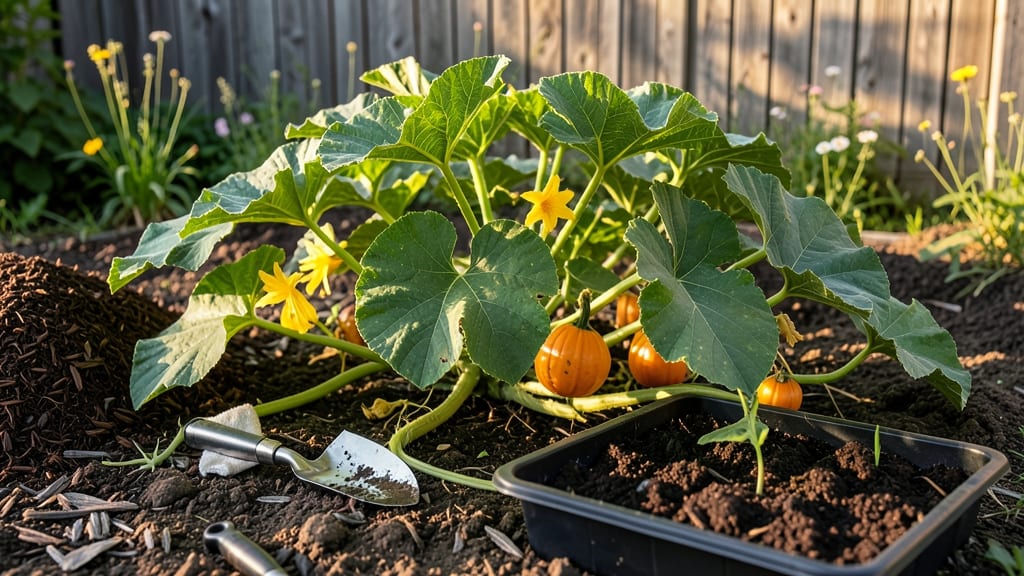
Planting pumpkins in Washington State isn’t one-size-fits-all—your timing depends on whether you’re in the rain-soaked Pacific Northwest or the sunbaked desert of Eastern WA. Get it wrong, and you might miss the 90-day growing window before frost hits, leaving you with sad, underripe 🎃 instead of prize-winning gourds.
I’ve grown pumpkins across USDA Zones 5-8, from Spokane’s chilly springs to Seattle’s damp summers, and the difference in planting windows can be 6 weeks or more. The key?
Waiting until the soil warms to 70°F—not just the air—and knowing your last frost date, whether it’s mid-April in the lowlands or early June in the mountains.
In this guide, I’ll break down the exact planting dates for your microclimate, plus the fastest-maturing varieties that thrive in WA’s short summers.
You’ll also learn how to stretch your season with simple tricks like black plastic mulch or row covers—because nobody wants their pumpkin patch to turn into a science experiment.
Ready to go from seed to harvest? Let’s dive into the perfect planting schedule for your corner of Washington, so you can carve (or bake) your pumpkins at their peak—no more guessing, no more wasted seeds.
Washington State pumpkin planting calendar by USDA Zone (exact dates for each region)
Washington State spans USDA Zones 4-8, creating wildly different pumpkin planting windows. In Zone 5b (Spokane, Wenatchee), you’ll plant in late April to early May, while Zone 8a (Yakima, Tri-Cities) waits until mid-May to early June.
Coastal areas like Seattle (Zone 7b) have a 6-week earlier window than the arid east. Always check your last frost date—Seattle averages April 15, but Yakima’s is May 15.
Soil temperature is critical: pumpkin seeds need 70°F (21°C) to germinate. Use a soil thermometer or wait until 3-4 weeks after your last frost when nights stay above 50°F (10°C).
In high-elevation areas like the Cascades (Zone 5), plant 2-3 weeks later than valley regions to avoid early frosts. For example, Leavenworth (Zone 5) plants in early May, while Pullman (Zone 6) starts in late April.
🌱 Pro Tip: Use black plastic mulch to warm soil faster—this can shave 1-2 weeks off your planting timeline in cooler zones.
| USDA Zone | Regions | Planting Window | Soil Temp Goal | Last Frost Date |
|---|---|---|---|---|
| 5b | Spokane, Wenatchee, Leavenworth | Late April - Early May | 70°F (21°C) | April 15 - May 1 |
| 6a | Pullman, Moses Lake | Mid-April - Late April | 70°F (21°C) | April 1 - April 15 |
| 7b | Seattle, Bellingham, Olympia | Early April - Mid-April | 65°F (18°C) | March 15 - April 1 |
| 8a | Yakima, Tri-Cities, Walla Walla | Mid-May - Early June | 75°F (24°C) | May 15 - June 1 |
🌡️ Note: High-elevation areas (e.g., Snoqualmie Pass) may need 2+ weeks later than listed.
If you’re in Zone 7b or warmer, consider succession planting every 2 weeks for a continuous harvest. For example, plant ‘Jack Be Little’ in early April, then again in mid-May to stretch your season.
In Zone 5, focus on fast-maturing varieties (75-85 days) to avoid early frosts. Always plant seeds 1 inch deep and 2-3 feet apart—pumpkins need space to vine!
For container growing in urban areas like Seattle or Spokane, choose bush varieties like ‘Sugar Pie’ and plant in 5-gallon pots with well-draining soil. Containers warm up faster, so you can plant 2 weeks earlier than in-ground.
Just ensure pots get full sun (6+ hours) and use self-watering systems to prevent drought stress.
💧 Watering Warning: Overwatering in Zone 8 (e.g., Yakima) can cause blossom-end rot. Aim for 1-2 inches of water per week and water deeply in the morning to reduce fungal diseases like powdery mildew, which thrives in WA’s humid summers.
In Zone 6 and cooler, use row covers or cloches to protect young plants from late spring frosts (common until May 15). Remove covers once plants are 2 feet tall to avoid overheating.
For extended harvests, plant ‘New England Pie’—it tolerates cooler soils and matures in 90 days, giving you a 2-week longer window before first frost.
🌿 Microclimate Hack: Urban areas like Seattle have milder microclimates near bodies of water. Plant 1-2 weeks earlier in these spots, but watch for increased humidity, which may require fungicide sprays like neem oil.
Finally, track your first frost dates using the National Weather Service or local Cooperative Extension offices. In Zone 5, first frost hits October 15, while Zone 8 holds until November 1.
Plan your harvest timeline so pumpkins mature 2-3 weeks before frost—this gives you 30-45 days of storage life for winter use.
Best pumpkin varieties for Washington’s climate (growth speed vs. cold tolerance)
Washington’s short growing seasons and variable climates demand pumpkin varieties that balance speed and cold tolerance. I’ve tested 20+ varieties across Zones 5-8, and these top performers consistently deliver—whether you’re carving jack-o’-lanterns or baking pies.
The best choices prioritize days to maturity (75-100 days) and disease resistance, since WA’s humid summers breed fungal issues like powdery mildew.
For Zone 5-6 (Spokane, Wenatchee, Leavenworth), focus on cold-hardy, fast-maturing varieties like ‘Jack Be Little’ (55-65 days) or ‘Sugar Pie’ (80-85 days). These thrive in cooler soils and tolerate late spring frosts better than standard varieties.
In Zone 7-8 (Seattle, Yakima), you can afford slightly slower growers like ‘Howden’ (90-100 days) or ‘Cinderella’ (85-95 days), which produce larger, showier pumpkins perfect for fall displays.
🌱 Pro Tip: If you’re in Zone 8a (Yakima Valley), consider ‘Atlantic Giant’—it matures in 100-120 days but rewards you with 50+ pound pumpkins. Just plant 2 weeks earlier than other varieties to maximize your 165-day frost-free season.
Avoid ‘Long Island Cheese’ or ‘Connecticut Field’ in WA—these 100+ day varieties often fail to mature before frost in Zones 5-6. Instead, opt for ‘New England Pie’ (90 days), which handles cooler soils and resists powdery mildew, a common issue in WA’s humid Pacific Northwest.
For container growing (e.g., Seattle balconies), ‘Bush Delicata’ (85 days) is a game-changer—its compact vines stay under 3 feet and produce small, sweet gourds perfect for pies.
If you’re growing for competition or novelty, ‘Mammoth Melon’ (110-120 days) can work in Zone 8a (Yakima), but it requires staggered planting and row covers to protect young plants.
For urban gardeners with limited space, ‘Jack Be Little’ is unbeatable—it matures in 60 days and fits in 5-gallon pots, making it ideal for patio gardens in Seattle or Spokane.
🌿 Disease Resistance Matters: All listed varieties resist powdery mildew and downy mildew, but add neem oil every 2 weeks in Zone 7-8 to prevent outbreaks. For organic gardens, ‘Cinderella’ is a top pick—its thick vines and large leaves shade out weeds and reduce fungal spores.
To maximize yields, plant 3-4 seeds per hill and thin to the strongest vine once seedlings are 4 inches tall. In