
Plants
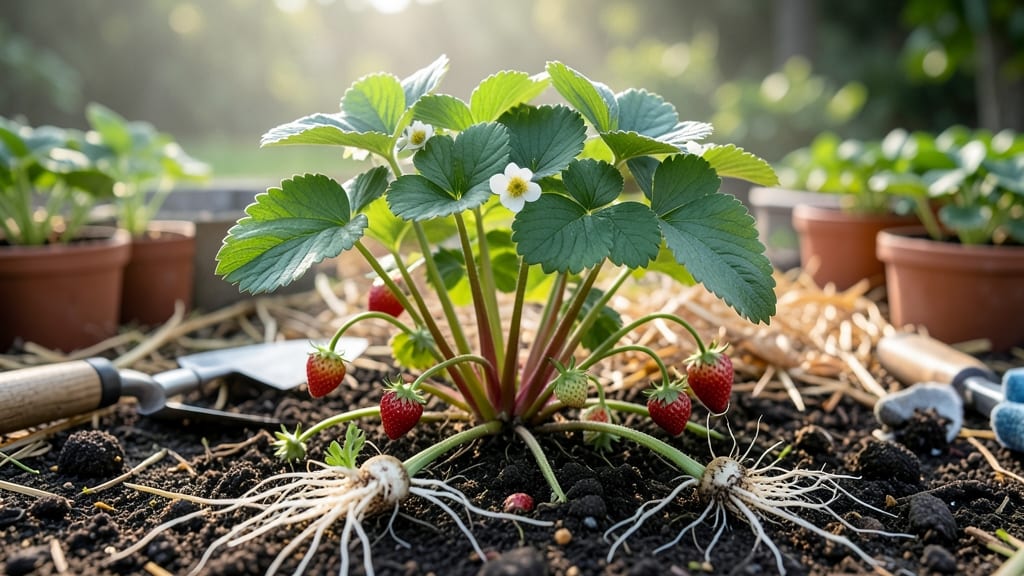
Planting strawberries at the right time in Zone 7 can mean the difference between a thriving patch of 🍓 and struggling plants that barely survive. The key is understanding when your strawberries have the best chance to establish strong roots before winter or summer heat sets in.
Many gardeners assume spring is the only window, but fall planting actually gives strawberries a head start. When you plant in early September or October, the cool temperatures help roots grow without stressing the plant. This means healthier plants come spring—and more berries on your table.
But timing isn’t just about the season—it’s also about avoiding frost. In Zone 7, planting too late in fall risks exposing young plants to early freezes, while spring planting must happen before March 15, when frost is still a threat.
I’ll break down the exact windows to aim for, whether you’re working with bare-root or potted plants.
Ready to set your strawberries up for success? Let’s dive into the best months for planting, soil prep tips, and how to protect your plants from common pitfalls. You’ll learn why September might be the secret weapon in your garden.
Optimal planting windows for strawberries in Zone 7: fall vs. spring breakdown
Strawberries thrive in Zone 7, but their planting timeline can make or break your harvest. Fall planting gives roots time to establish before winter, while spring planting aligns with natural growth cycles.
The difference? 6-8 weeks of root development before summer heat arrives. Let’s break down the best times for each method, including soil temperature thresholds and frost risk for your specific microclimate.
Zone 7 spans diverse regions—from coastal areas with milder winters to inland zones with sharper frost. Coastal gardeners might plant 2-3 weeks later than inland growers, thanks to delayed frost dates.
For example, Raleigh, NC (Zone 7a) has a last frost around March 15, while Asheville, NC (Zone 7b) can plant 10 days earlier due to higher elevations. Always check your local USDA frost map for precision.
Soil temperature is the golden rule: Strawberries need 40°F-50°F soil to root successfully. Use a soil thermometer to confirm—cold soil slows growth, while warm soil (above 55°F) can stress roots. Inland areas hit these temps 2-3 weeks earlier than coastal zones, so adjust your calendar accordingly.
Here’s the critical comparison for Zone 7 strawberry planting, tailored to your region’s microclimate:
| Factor | Fall Planting (Sept-Oct) | Spring Planting (Feb-Mar) |
|---|---|---|
| Ideal Months | Late August–early October | Mid-February–early March |
| Soil Temp Threshold | 40°F–50°F (roots establish before frost) | 50°F–60°F (warm enough for growth) |
| Frost Risk | Low (plants dormant by Nov) | High (last frost: March 15) |
| Root Establishment | 6–8 weeks before winter | 4–6 weeks before summer heat |
| Best For | Perennial varieties (June-bearing) | Ever-bearing & day-neutral varieties |
| Coastal Adjustment | Plant 2–3 weeks later (milder winters) | Plant 1–2 weeks earlier (soil warms faster) |
| Harvest Window | Next spring (May–June) | Late spring (June–July) |
*Adjust dates 1–2 weeks based on your local last/first frost dates.
For fall planting, aim to get strawberries in the ground 6–8 weeks before your first frost. In most of Zone 7, that’s late September to early October.
This gives roots time to anchor before winter dormancy. Ever-bearing varieties (like 'Seascape') can even produce a small fall harvest if planted early enough. Just mulch heavily with straw or leaves to insulate roots during cold snaps.
Spring planting is trickier because of frost risk. Plant bare-root strawberries as soon as soil is workable (around 50°F)—typically mid-February to early March.
Wait too long, and summer heat will stress young plants. Potted strawberries can handle slightly later planting (up to April), but they’ll need extra water to compensate for slower root growth in hot soil.
Pro tip: If you’re in a coastal Zone 7 (like Charleston, SC), extend your fall window by 2–3 weeks. Soil stays warmer longer, and frost arrives later.
Conversely, inland areas (like Lexington, KY) may need to plant earlier in fall to avoid early freezes. Always monitor your local weather forecast for unexpected cold snaps.
One mistake I see often? Planting too late in spring and ending up with bolted plants (those that flower prematurely and produce tiny berries). If you miss the February–March window, opt for June-bearing varieties and plant in fall instead.
They’ll reward you with a bigger harvest the following year.
Ready to plant? Grab your soil thermometer and check temps—when they hit 40°F–50°F, it’s go time for fall, or 50°F–60°F for spring. Your strawberries will thank you with sweeter berries and healthier plants next season. 🍓
Optimal planting windows for strawberries in Zone 7: fall vs. spring breakdown
In Zone 7, strawberries thrive when planted during two key windows: early spring or early fall. Each season offers unique advantages, but fall planting often gives plants a head start on root growth before winter.
Let’s break down the best times and why they matter for your strawberry patch.
The last frost date in Zone 7 typically falls around March 15, while the first frost arrives near November 15. Planting too early in spring risks frost damage, while late spring planting may delay fruit production.
Fall planting, however, allows roots to establish before winter dormancy, leading to earlier and larger harvests the following year.
| Planting Window | Ideal Months | Soil Temp | Key Advantages | Risks |
|---|---|---|---|---|
| Early Spring | February - March | 45-55°F | Faster above-ground growth, earlier fruit | Frost damage if planted too early |
| Early Fall | September - October | 50-60°F | Stronger root establishment, fewer pests | Late planting may delay harvest next year |
For bare-root strawberries, aim to plant in September or early October—this gives roots time to anchor before winter. If using potted plants, extend your window slightly into November, as they handle cooler temps better.
Coastal areas in Zone 7 may have warmer microclimates, allowing fall planting up to mid-October.
Spring planting should happen 4-6 weeks before last frost—typically late February to early March. This timing ensures plants have 6-8 weeks of growth before summer heat stress. Use row covers if planting earlier to protect from late frosts.
Pro tip: Test your soil temperature with a soil thermometer—strawberries prefer 50-60°F for root growth. If temps drop below 40°F, delay planting until conditions improve. Mulch heavily after planting to insulate roots in both seasons.
Whether you choose spring or fall, planting early in the recommended window gives your strawberries the best chance to thrive in Zone 7’s variable climate. The key is root establishment—prioritize that, and your berries will reward you handsomely next season. 🍓