
Plants
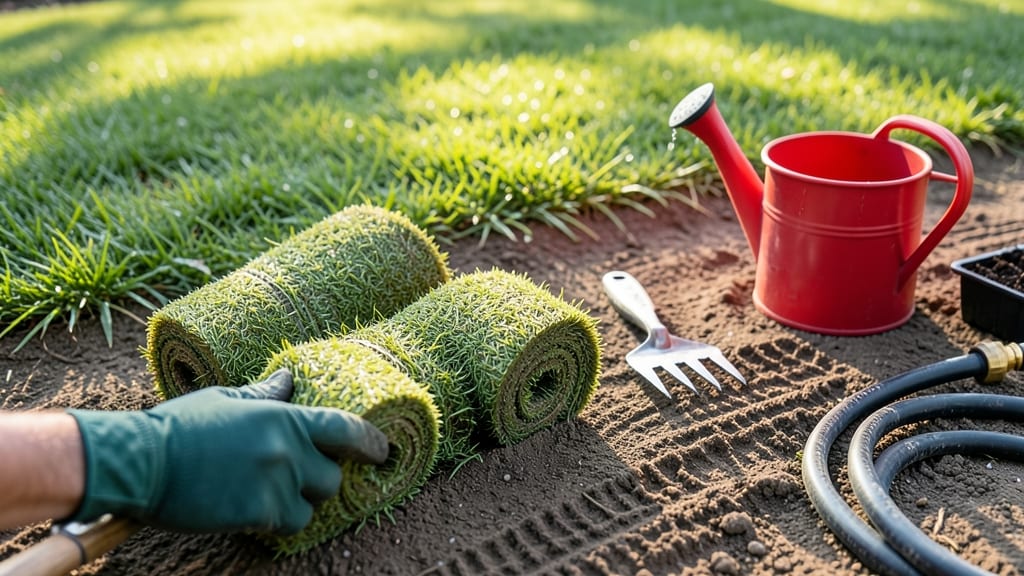
Planting your Summer Grass 🌱 at the wrong time in Arizona can mean the difference between a vibrant lawn and a sad, patchy mess—especially when the thermometer hits 110°F by June.
The key isn’t just waiting for spring; it’s choosing the perfect 4-week window when soil warmth and monsoon moisture work in your favor.
Most gardeners assume spring is the only time to plant, but Arizona’s USDA Zone 9b climate actually rewards a late-summer strategy. That’s when temperatures cool slightly, and the monsoon rains give your new grass the hydration it craves without overwhelming you with watering chores.
Skip this window, and you’ll battle drought stress or smothered seedlings.
Whether you’re seeding or laying sod, timing matters more than you think. I’ll walk you through the exact months to plant, how to prep your soil for Arizona’s brutal heat, and which grass varieties handle the desert sun best—so you can enjoy a lush lawn year-round without the guesswork.
Ready to transform your yard? Let’s dive into the ideal planting schedule, soil secrets, and care tips that’ll keep your grass thriving even when the sun feels like a blowtorch.
Best months to plant summer grass seed in Arizona (avoid these mistakes)
Arizona’s extreme heat makes summer grass planting a high-stakes game—plant too early, and frost can kill seedlings; too late, and drought stress takes over. The perfect 4-week window is mid-August to early September, when monsoon rains provide natural irrigation and soil temps stay ideal for germination.
This timing aligns with Arizona’s USDA Zone 9b climate, where summer grass varieties like Bermuda and Zoysia thrive when planted after the peak 110°F+ heat.
Early August marks the start of the monsoon season, delivering 1-2 inches of rain weekly—just what young grass roots need to establish.
Here’s why August-September wins: cooler nights (80-90°F instead of 100°F+), higher humidity, and reduced evaporation. Planting outside this window risks seed desiccation (drying out) or fungal diseases from overnight moisture retention.
For Phoenix and Tucson, aim for August 15-September 15. In Flagstaff’s cooler microclimate, extend the window to late July-early September to avoid early frost risks.
Always check your local frost dates—Arizona’s last frost typically occurs by January 15, but high-elevation areas can see frost into March.
Critical mistake #1: Planting in June-July during 100°F+ soil temps causes seeds to bake before sprouting. Critical mistake #2: Waiting until October means shorter daylight hours and cooler temps, slowing growth. The 4-week window is non-negotiable for root establishment.
Pro Tip: Use a soil thermometer—ideal planting temps are 65-75°F. If your soil hits 80°F+, wait 2-3 weeks or use shade cloth to protect seedlings. Morning planting (before 10 AM) reduces midday heat stress on fresh seeds.
| Planting Window | Soil Temp (°F) | Monsoon Support | Risk Level |
|---|---|---|---|
| Mid-August - Early Sept | 65-75°F | High (1-2" rain/week) | Low (Optimal) |
| Late July | 75-85°F | Moderate (End of monsoon) | Medium (Heat stress risk) |
| June | 85-100°F | Low (Pre-monsoon) | High (Seed desiccation) |
| October | 60-70°F | None | Medium (Slow growth) |
If you miss the August-September window, consider sod instead of seed—it establishes 3x faster and handles Arizona’s heat better. Sod also outcompetes weeds immediately, a huge advantage in dry climates.
For seeds, pre-sprouted seed (like Tifway Bermuda) germinates in 7-10 days vs. 14-21 days for standard seed.
Post-planting, mulch with straw (1/4 inch thick) to retain moisture and regulate soil temp. Water lightly twice daily (morning/evening) for the first 2 weeks, then taper to deep watering every 3-5 days. Avoid overwatering—Arizona’s caliche soil drains poorly, leading to root rot if soggy.
Monitor for
Best months to plant summer grass seed in Arizona (avoid these mistakes)
Arizona’s summer grass thrives when planted during the monsoon transition, but timing is everything. The ideal window is late August through September, when daytime temps drop below 95°F and evening humidity rises.
Planting too early (June-July) risks heat stress, while waiting too late (October+) exposes seeds to fall frosts.
This window aligns with Arizona’s monsoon rains, which provide natural watering while keeping soil temperatures consistently warm—perfect for germination. For sod installation, aim for early September to establish roots before winter slows growth. Skipping this timing often leads to patchy lawns or failed germination.
| Planting Window | Key Conditions | Avoid Planting If... |
|---|---|---|
| Late August | Soil temp: 75-85°F, monsoon rains | Daytime temps exceed 100°F |
| September | Evening humidity rises, cooler nights | Frost risk after mid-month |
| Early October | Stable temps, lower evaporation | Soil temps drop below 65°F |
Phoenix and low desert regions (USDA Zone 10a) have a slightly longer window—late July through October—thanks to milder winters. However, Flagstaff and higher elevations (Zone 7b) should delay until late September to avoid early frosts. Always check your local National Weather Service for 10-day forecasts before planting.
For seed germination, aim for soil temperatures between 75-85°F. Use a soil thermometer to monitor—if temps climb above 90°F, seeds may bake before sprouting.
In Tucson, this typically means planting after Labor Day (early September). Pro tip: Water deeply the day before planting to hydrate the soil.
If you miss the ideal window, consider overseeding in November (for cool-season grasses) or sod installation in spring. But for summer-specific varieties like Bermuda or Zoysia, timing is critical—these grasses go dormant in winter, so planting too late means no summer green-up.
Remember: Preparation matters more than timing. Even with perfect months, poor soil or inadequate watering will sabotage your lawn. Start with well-draining soil and a drip irrigation system to set your summer grass up for success. 🌱