
Plants
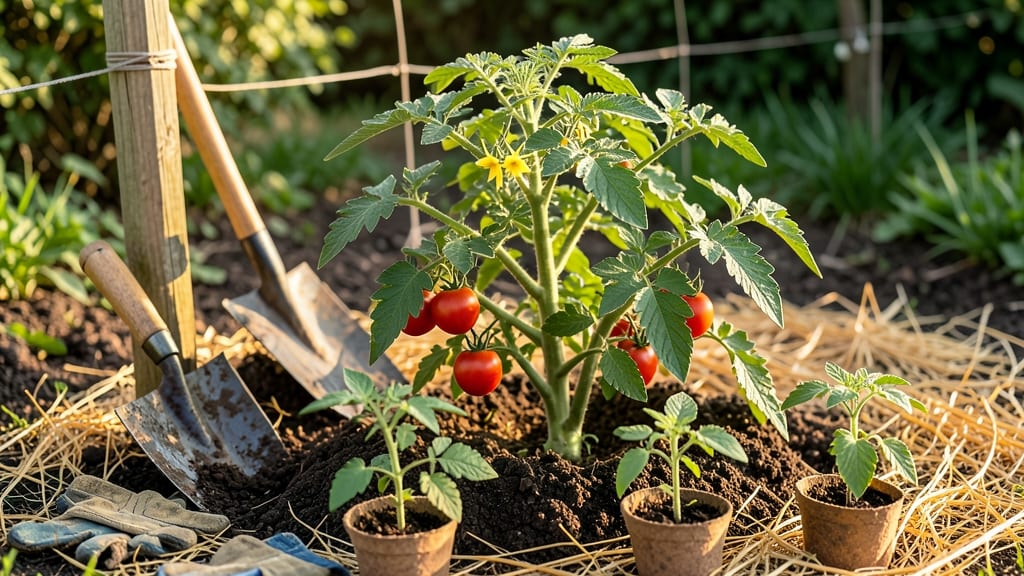
Planting your 🍅 tomatoes in South Carolina at the wrong time can mean the difference between a bountiful harvest and a sad, wilted disappointment.
With last frost dates that vary by just weeks across the state, knowing the perfect window is the key to avoiding frost damage and maximizing your summer yield.
Most gardeners in zones 7b-8a rush to plant as soon as spring arrives, but that’s a common mistake. The real secret lies in waiting until soil temperatures hit at least 60°F—typically mid-March for transplants or late February for starting seeds indoors.
I’ll show you exactly when to plant for zero-frost harvests, whether you’re in Charleston or Greenville.
If you’ve ever wondered why some tomatoes thrive while others struggle, it’s often about timing. We’ll cover everything from adjusting for early springs to using row covers, so you can confidently plant and enjoy fresh, homegrown tomatoes from June to October.
Ready to stop guessing and start growing? Let’s break down the step-by-step schedule that works for South Carolina’s unique climate—so you can enjoy that first ripe tomato of the season without the stress.
South Carolina heat Zone deadlines for planting tomatoes (by region)
South Carolina spans USDA Hardiness Zones 7b through 9a, meaning frost dates vary dramatically from the Upstate’s cooler mountains to the Coastal Plain’s warmer lowlands.
Tomatoes thrive in 60°F+ soil, so timing depends on your zone—plant too early and risk frost damage; too late and miss summer’s peak harvests. Here’s your region-specific breakdown:
In Zone 7b (Upstate), the average last frost date is April 15, but soil may not warm enough until May 1.
For Zone 8a (Piedmont), aim for March 20–April 10—soil hits 60°F by March 30. Coastal Zone 9a gardeners can start as early as February 20 for direct sowing, thanks to milder winters.
🌱
For transplants, wait until nighttime temps stay above 50°F—use a soil thermometer to confirm 60°F+. Direct sowing (planting seeds outdoors) works best in Zone 9a as early as January 20, while Upstate gardeners should wait until late April to avoid cold snaps.
Pro tip: Early girl varieties like ‘Celebrity’ or ‘Stupice’ tolerate cooler soils better than heat-lovers like ‘Solar Fire’ or ‘Better Boy’. Adjust your schedule based on your tomato variety’s days to maturity—60-day varieties need early starts, while 85-day heirlooms can wait until mid-April.
🌡️
Don’t rely solely on calendar dates—monitor local weather forecasts and microclimates. A south-facing slope warms faster than a shady low spot, so test soil temps in your planting area. If frost threatens after transplanting, cover plants with frost blankets or row covers until temps rise.
For fall planting, you can squeeze in a second crop by sowing seeds June 15–July 15 (Zone 9a) or July 1–August 1 (Zones 7b–8a). Choose determinate varieties like ‘Roma’ or ‘Patio’ for shorter harvest windows.
🌱
Remember: Tomatoes hate cold feet. If your soil isn’t warm enough, use black plastic mulch or straw bales to speed up warming. And always harden off seedlings for 7–10 days before transplanting to avoid shock.
Step-by-step planting schedule for zero-frost tomato harvests
Timing your tomato planting in South Carolina isn’t just about avoiding frost—it’s about syncing your plants with the state’s 215 frost-free days. My step-by-step schedule helps you start seeds indoors, harden off seedlings, and transplant at the perfect moment for peak summer harvests.
Let’s break it down by region and variety.
For USDA Zones 7b-8a, I recommend starting with determinate varieties (like 'Celebrity' or 'Roma') for early harvests, while indeterminate types (such as 'Sungold' or 'Better Boy') thrive when planted later for continuous fruiting.
Both need precise timing, but the steps are similar—just adjust based on your last frost date.
📋 Step-by-Step Planting Timeline for South Carolina Tomatoes
- Late February to Early March (Indoors): Start seeds 6-8 weeks before your last frost date. Use seed trays with well-draining soil and keep under grow lights (14-16 hours/day). Ideal soil temp: 70-75°F.
- Mid-March (Seedlings): Transplant seedlings to biodegradable pots when they have 2-3 true leaves. Harden off for 7-10 days by placing outdoors in morning sun only.
- Mid-April (Outdoor Prep): Amend garden beds with compost and balanced fertilizer (5-10-10). Install cage supports or trellises for indeterminate varieties.
- After Last Frost (Mid-March to Early June): Transplant seedlings 12-24 inches apart, depending on variety. Bury stems 1/3 deep to encourage root growth. Water deeply at planting.
- June to August (Ongoing Care): Mulch with straw or grass clippings to retain moisture. Prune suckers from indeterminate varieties and fertilize every 4-6 weeks.
- September (Late Varieties): For a fall harvest, direct-sow seeds in late summer (August) or transplant heat-tolerant varieties like 'Heatmaster' by early September.
Pro tip: Use row covers or cold frames to extend your season if spring arrives late. I’ve pushed my first transplant date back 2-3 weeks using these tools without risking frost damage. Just remove covers once flowers appear to prevent heat stress.
For container gardening, start seeds in 5-inch pots by late March and move to larger containers (18+ inches) after transplanting. Containers warm up faster, so monitor soil temps closely—aim for 60°F+ before planting outdoors.
Remember, soil temperature matters more than air temperature. Use a soil thermometer to confirm it’s 60°F+ before transplanting. Cold soil slows root growth and invites disease. If temps are too cool, wait another week—your tomatoes will thank you with vigorous vines and heavy fruit.