
Plants
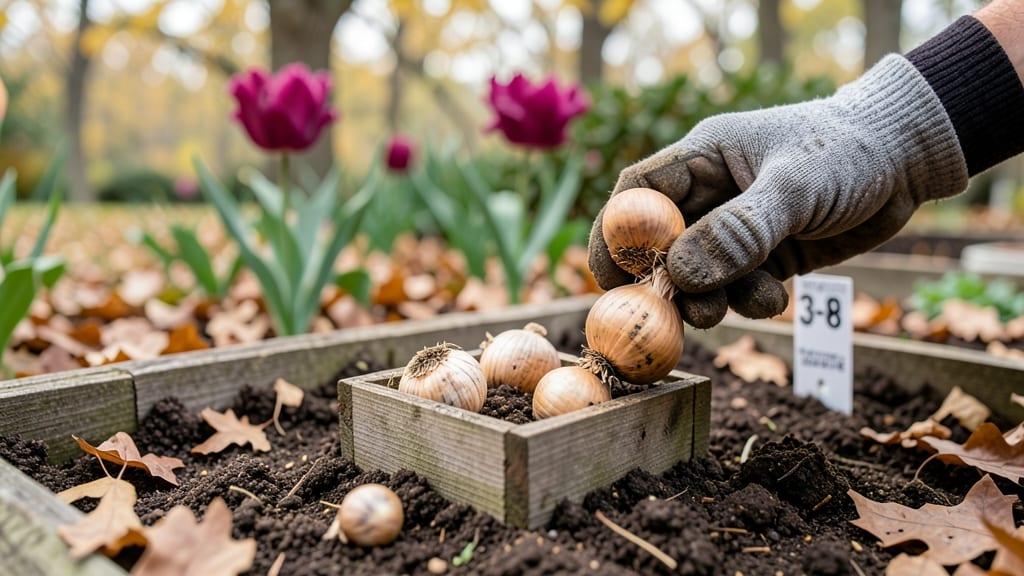
Planting tulips 🌷 in Tennessee isn’t just about throwing bulbs in the ground—it’s about timing them perfectly to survive the state’s unpredictable winters and deliver showstopping spring blooms.
Whether you’re in Nashville’s USDA Zone 7a or Chattanooga’s Zone 6b, getting those bulbs in the soil 4-6 weeks before frost is the key to success.
Most gardeners assume fall planting is the only option, but the truth is more nuanced. While October through December is ideal for most of Tennessee, late planters can still succeed with the right adjustments—like choosing hardier varieties or using mulch to protect young roots.
The goal? Give those bulbs enough time to establish roots before the ground freezes solid.
Miss the window, and you risk weak blooms or even bulb rot. But don’t stress—this guide breaks down exact deadlines for your specific zone, plus pro tips to extend your planting window safely.
Ready to turn your Tennessee garden into a springtime spectacle? Let’s get those tulips in the ground the right way.
From soil prep to post-planting care, we’ll cover everything you need to know to avoid common mistakes and ensure your 🌷 tulips thrive year after year. Whether you’re a first-time planter or a seasoned gardener, these insights will help you beat the clock and enjoy vibrant blooms come April.
Tennessee tulip planting deadlines by USDA Zone (with frost-free guarantees)
Tennessee spans USDA Zones 6a through 8a, and your exact tulip planting window depends on where you live. The golden rule? Plant bulbs 4-6 weeks before your first hard frost—this gives roots time to establish before winter sets in.
In most of Tennessee, that means October through mid-December, but your local frost date is the real deadline.
For example, Nashville (Zone 7a) typically sees its first frost around November 15, while Chattanooga (Zone 6b) can freeze as early as October 20. In warmer Zone 8a areas like Memphis, you might still plant until December 1.
Use these zone-specific deadlines to avoid common mistakes like planting too early (risking rot) or too late (weak blooms).
Here’s the breakdown you need to nail your planting timing:
| USDA Zone | First Frost Date | Ideal Planting Window | Last Chance to Plant | Soil Temp Goal |
|---|---|---|---|---|
| 6a (e.g., Bristol) | October 10-20 | October 1-15 | November 1 | 50-60°F |
| 6b (e.g., Chattanooga) | October 20-31 | October 15-November 1 | November 15 | 50-60°F |
| 7a (e.g., Nashville) | November 1-15 | October 15-December 1 | December 10 | 55-65°F |
| 7b (e.g., Knoxville) | November 15-30 | October 30-December 15 | December 20 | 55-65°F |
| 8a (e.g., Memphis) | December 1-15 | November 15-January 1 | January 10 | 60-70°F |
Pro tip: Check your local Almanac frost dates for the most accurate timeline. For example, East Tennessee’s higher elevations (like Zone 6a) freeze earlier than West Tennessee’s flatter terrain (Zone 8a). Adjust your planting date accordingly—this makes all the difference for bulbs to root before winter.
If you’re unsure about your zone, use the USDA Plant Hardiness Zone Map and enter your ZIP code. Most Tennessee gardeners fall into Zones 6b-7a, so aim for planting between mid-October and mid-November for the best results. Don’t wait until December unless you’re in Zone 8a!
Once you’ve nailed the timing, focus on soil temperature. Tulip bulbs need soil to be 50-65°F at planting depth (6-8 inches). Use a
5 Critical factors that determine your exact tulip planting date in TN
While USDA zones give you a starting point, your exact tulip planting date in Tennessee depends on five key variables that can shift deadlines by weeks. Ignoring these means risking weak blooms—or worse, losing your bulbs entirely. Let’s break down what truly matters beyond the calendar.
First, soil temperature is the #1 factor. Tulip bulbs need soil at 50-60°F to start rooting—warmer than most gardeners assume. In East Tennessee’s Zone 6b, this might mean waiting until late October, while West Tennessee’s Zone 7b could allow planting as early as mid-September.
Use a soil thermometer to check before planting.
🌱 Critical Factors Checklist
- 🌡️ Soil temp: 50-60°F (use thermometer)
- 🌷 Bulb variety: Early vs. late bloomers
- 🌬️ Microclimate: Sheltered spots plant earlier
- ❄️ Frost history: Check local records
- 🌱 Bulb size: Larger bulbs root faster
✅ Pro Tip: Plant 6-8 weeks before your area’s average first frost—not the calendar date.
Next, your tulip variety matters more than you’d think. Early bloomers like 'Darwin Hybrid' tulips need planting by late September in Zone 6a, while late varieties like 'Parrot' tulips can wait until mid-November.
Always check the back of your bulb packaging for specific recommendations—this alone can save you from disappointment.
Don’t overlook microclimates in your yard. A south-facing slope might warm up 2-3 weeks earlier than your north-facing garden bed. If you’re unsure, plant a test bulb in your shadiest spot first.
And if you live in a valley or low-lying area, expect frost 1-2 weeks earlier than higher elevations.
Local frost history often trumps USDA averages. For example, Nashville’s Zone 7a typically sees first frost around November 15, but in 2020, it hit October 28—two weeks early.
Use resources like the National Weather Service or your local Cooperative Extension Service to find your area’s 10-year frost average. Planting 4-6 weeks before this date gives bulbs the best chance to root.
Finally, bulb size affects timing. Large 12/14 oz bulbs establish roots 30% faster than small 8/10 oz bulbs. If you’re pushing the deadline, opt for larger bulbs—they’ll have a better shot at surviving winter. And remember: never plant frozen bulbs—they’ll rot before they even sprout.
By accounting for these five factors, you’ll pinpoint your personalized planting window—not just follow a generic calendar. The result? Tulips that burst into bloom with zero guesswork and maximum vibrancy. 🌷