
Flowers
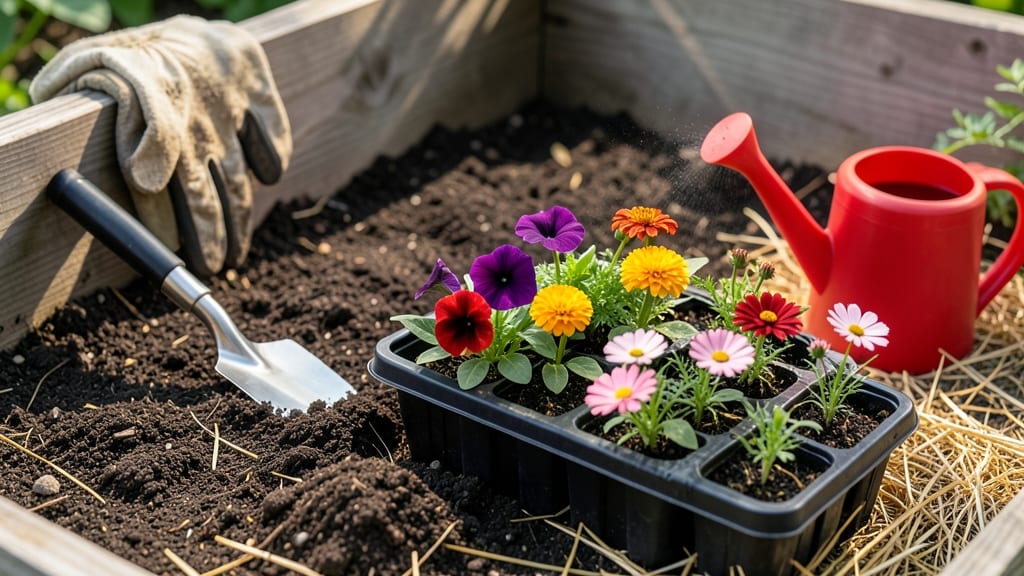
Planting flowers in Ohio isn't just about grabbing seeds and sticking them in the dirt—it's about mastering the perfect timing to beat frost, heat waves, and Ohio's famously fickle weather.
Whether you're dreaming of vibrant annuals or hardy perennials, getting it right means the difference between a showstopping garden and a sad, wilted disappointment.
I’ve learned the hard way that Ohio’s USDA Zone 6a climate demands precision. Too early, and a late frost will nip your blooms before they even open. Too late, and you’ll miss peak flowering seasons entirely.
The key? Understanding your local microclimate—whether you're in northern Ohio where frost lingers or southern Ohio where summer heat arrives early.
In this guide, I’ll break down the exact months to plant everything from bulbs to annuals, so you can enjoy a garden that thrives from spring to fall. No more guessing—just science-backed timing tailored for Ohio gardeners like you.
Ready to transform your yard into a year-round floral paradise? Let’s dive into the best planting windows for your favorite flowers, plus pro tips to keep them blooming longer than ever.
Ohio’s frost-free planting timeline by hardiness zones (5b to 6b)
Ohio spans USDA Hardiness Zones 5b to 6b, meaning frost dates vary dramatically from northern Cleveland to southern Cincinnati. In Zone 5b (e.g., Toledo, Akron), the average last frost date is April 15, while Zone 6b (e.g., Columbus, Dayton) typically sees frost-free conditions by April 1.
These differences impact when you can safely plant warm-season flowers like marigolds or cool-season bloomers such as pansies.
For annual flowers, wait until two weeks after your region’s last frost date to avoid frost damage. Perennials, however, can often tolerate early spring planting (March in Zone 6b) since they’re hardier.
Bulbs like tulips and daffodils should be planted in fall (October-November) for spring blooms, but their timing depends on soil temperatures.
Here’s how Ohio’s zones break down for flower planting windows, including cool-season (March-April) and warm-season (May-June) varieties:
| Zone | Last Frost Date | Cool-Season Flowers (March-April) | Warm-Season Flowers (May-June) | First Frost Warning |
|---|---|---|---|---|
| 5b (Cleveland, Toledo) | April 15 | Pansies, Snapdragons, Sweet Alyssum | Petunias, Marigolds, Zinnias (after May 1) | October 20 |
| 6a (Youngstown, Mansfield) | April 1 | Violas, Calendula, Stock | Geraniums, Impatiens, Sunflowers (after April 15) | October 10 |
| 6b (Columbus, Dayton) | March 25 | Lobelia, Sweet Peas, Primroses | Begonias, Dahlias, Cosmos (after April 1) | October 5 |
If you’re unsure about your exact last frost date, use Ohio State University Extension’s frost calendar or check local weather reports for 3 consecutive days above 50°F. For container-grown flowers, you can plant 2-3 weeks earlier since pots warm up faster.
For perennials, early spring (March) is ideal because it gives roots time to establish before summer heat. Bulbs like tulips should be planted in fall (October), but spring-blooming bulbs (e.g., daffodils) can handle late fall planting in Zone 6b. Always amend soil with compost before planting to improve drainage.
In Zone 5b, tender flowers like petunias or impatiens should wait until after May 1 to avoid frost. Use row covers if you’re eager to plant earlier. For Zone 6b, you can start warm-season flowers as early as April 15, but monitor nighttime temperatures.
Ohio’s first frost typically arrives in mid-October, so plan to harvest seeds or dig up tender perennials by September 15. Fall-planted bulbs (like crocuses) can handle light frosts, but avoid planting them after November 1.
Pro tip: Mark your calendar for Ohio’s “10-Day Rule”—if frost is predicted within 10 days, harden off tender plants or bring containers indoors. This simple rule saves countless blooms each year.
Best flower types to plant in Ohio by season (with exact months)
Ohio’s diverse climate means you can enjoy year-round blooms if you time your plantings right. Spring-blooming bulbs like tulips and daffodils should go in the ground by November, while annuals like petunias thrive when planted after the last frost in May.
Native perennials, such as black-eyed Susans, can handle Ohio’s heat and humidity once established.
For a longer flowering season, mix early, mid, and late-season varieties. For example, plant pansies in March for early color, then add marigolds in May for summer blooms, and mums in July for fall interest.
Ohio’s Zone 5b-6b range also allows for fall planting of bulbs like crocuses, which naturalize beautifully.
🌸 Ohio Flower Planting Calendar by Season
- 🌱 Bulbs: Tulips, daffodils (Nov-Feb)
- 🌷 Perennials: Coneflowers, phlox (March-April)
- 🌼 Annuals: Petunias, snapdragons (After last frost, ~May 15)
- 🌻 Heat-lovers: Sunflowers, zinnias (June)
- 🌺 Succession plant: Marigolds, cosmos (Every 3 weeks)
- 🌿 Native perennials: Black-eyed Susans, bee balm (June)
- 🌼 Late bloomers: Chrysanthemums, asters (August)
- 🌱 Fall bulbs: Crocuses, alliums (September-October)
- 🌿 Perennials: Lavender, sedum (Early fall)
Ohio’s native flowers are low-maintenance champions for gardeners. Purple coneflowers and butterfly weed thrive in dry, sunny spots and attract pollinators. For shady areas, try hostas or heucheras, which bloom reliably in partial shade. Even urban gardeners can succeed with container-friendly geraniums or bacopa.
Don’t overlook Ohio’s unique microclimates. Southern Ohio (Zone 6b) can plant 2-3 weeks earlier than northern Ohio (Zone 5b). For example, tender annuals like impatiens may survive longer in Columbus than in Cleveland.
Always check your local frost dates—the Ohio State University Extension provides county-specific planting guides.
For container gardening, choose compact varieties like dwarf sunflowers or mini petunias. These thrive in small spaces and can be planted 2-4 weeks later than in-ground flowers, since containers warm up faster. Just ensure they get at least 6 hours of sun daily for best results.