
Companion Plants
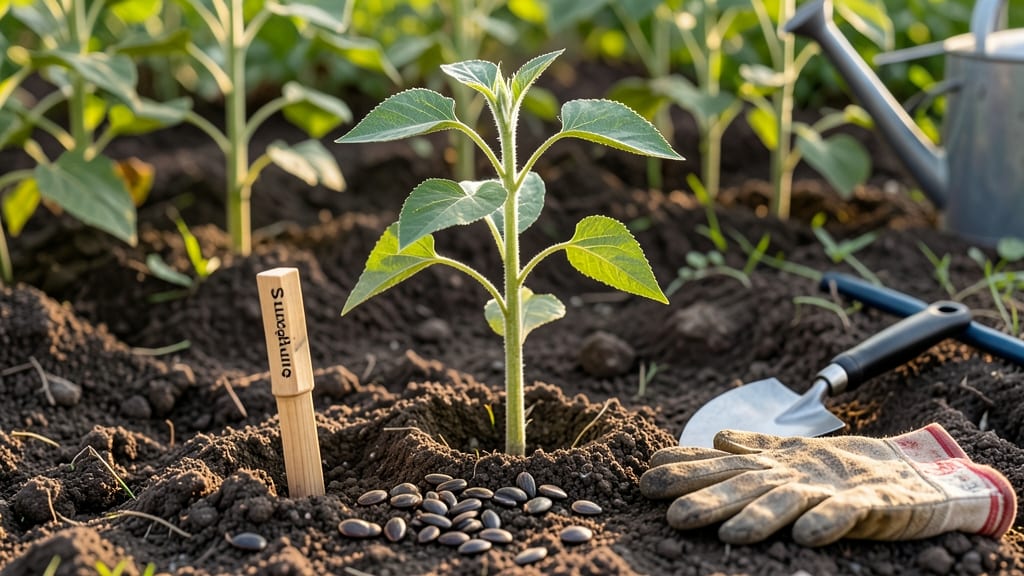
Planting sunflower seeds in Ohio at the wrong time means watching your 🌻 dreams wilt before they even sprout. The key to success isn't just throwing seeds into the ground—it's timing them perfectly with Ohio's unpredictable spring weather and frost dates.
Since sunflowers are warm-season annuals, they need that last frost to pass before making their grand entrance.
In zone 6a, like most of Ohio, the ideal window stretches from mid-April to early June—but that's just the starting point.
We'll break down exactly how to read your local frost dates and adjust for soil temperature, because even a 5-degree difference can mean the difference between thriving plants and sad, stunted stems.
Trust me, you don't want to be the gardener who planted too early and got caught by surprise frost.
What you're about to discover isn't just about months—it's about creating the perfect conditions for your sunflowers to grow from tiny seeds into those towering 10-foot giants you've always wanted. We'll cover everything from soil prep to spacing, so you can avoid common mistakes that even experienced gardeners make.
Let's get those seeds in the ground at exactly the right moment.
The best part? Once you nail this timing, you'll have sunflowers blooming from late July through October, providing both beauty and birdseed for months. I'll show you exactly how to make it happen—no guesswork, just proven strategies that work for Ohio's climate. Ready to grow those sunflowers like a pro?
Ohio sunflower planting timeline by hardiness Zone (with frost dates)
Ohio’s diverse climate zones (5-7) mean your sunflower planting window could vary by 3-4 weeks depending on location.
Most gardeners in Zone 6a (central Ohio) aim for mid-April to early June, but northern areas like Zone 5b may wait until late April, while southern Zone 7a can start as early as March 20th.
The key is planting after your average last frost date—typically April 15 for most of Ohio—but with soil temperatures above 55°F for germination.
Sunflowers are warm-season annuals that despise cold soil. If you plant too early, seeds may rot or sprout only to be killed by late frosts. Conversely, planting too late risks shorter stems and fewer blooms before Ohio’s first frost (mid-October).
For direct sowing (most common), wait until all danger of frost has passed. If transplanting seedlings, harden them off first and plant after May 1st to give them a 100+ day growing season before frost.
🌱 Ohio Sunflower Planting Guide by Zone
For direct sowing, drop seeds 1 inch deep and 6 inches apart in rows 18-24 inches apart. If you’re transplanting seedlings, start them indoors 2-3 weeks before your last frost date.
Remember, sunflowers grow fast—some varieties reach 10 feet in just 80 days! Use black plastic mulch to warm soil faster in cooler zones, or plant near south-facing fences to create microclimates.
Ohio’s unpredictable spring weather can throw off even the best-laid plans. If you’re in Zone 5b and face a late frost after planting, cover seedlings with frost cloth or row covers.
For Zone 7a, you can even try a fall planting of fast-maturing varieties (like 'Autumn Beauty') in late July for October blooms. Just ensure they have at least 60 days to maturity before the first frost.
Pro tip: Check your local cooperative extension office for hyper-local frost dates. For example, Columbus (Zone 6a) averages last frosts around April 10, while Cleveland (Zone 6b) may wait until April 20.
These small differences can mean the difference between healthy sunflowers and wilted seedlings. Always plant after Memorial Day if you’re unsure—it’s safer than rushing too early!
Once your sunflowers are in the ground, consistent moisture is key. Water deeply 2-3 times per week until they’re established (about 4-6 weeks), then reduce to once a week.
Sunflowers are drought-tolerant once mature, but young plants need steady hydration to avoid blind stems (where the flower head fails to form). Mulch around the base with straw or grass clippings to retain moisture and suppress weeds.
If you’re growing tall varieties (like 'Russian Giant'), stake them early with bamboo stakes or use cattle panels for windbreaks. Ohio’s summer storms can topple sunflowers over 6 feet tall.
For container growing, choose dwarf varieties (like 'Teddy Bear') and use pots at least 12 inches deep with drainage holes. Place containers in full sun and water daily until established.
Finally, keep an eye on pests like sunflower moths and beetles, which can damage buds. Handpick larger pests or use neem oil for organic control.
With the right timing and care, your Ohio sunflowers will reward you with stunning blooms and edible seeds—plus, they’ll attract pollinators all season long!
5 Critical factors that determine your exact planting window
Ohio’s unpredictable spring weather can turn your sunflower planting plans upside down faster than a late frost. While the official frost-free date (around April 15) is your starting point, five key factors will fine-tune when you should plant those sunflower seeds for maximum success.
First, your microclimate matters. Urban areas like Columbus often warm faster than rural zones, while valleys can stay colder longer. Check your local frost dates—they might differ by 1-2 weeks from the average. I always verify with my local cooperative extension office for precise data.
Next, consider your soil temperature. Sunflower seeds need soil at least 55°F (13°C) to germinate. A soil thermometer is your best friend here—planting too early in cold soil can delay sprouting by weeks.
I’ve seen seeds take 3 weeks to sprout when planted in 50°F soil versus just 7 days in ideal conditions.
Urban vs. rural, elevation, and wind exposure affect frost dates by 1-2 weeks.
Seeds need 55°F+ soil—use a thermometer to avoid slow germination.
Early varieties (50-60 days) can handle late starts; tall types need 100+ days.
Ohio’s late frosts (after April 15) risk killing young seedlings.
Fast varieties can be sown in late July for fall blooms before frost.
Your sunflower variety also dictates timing. Dwarf varieties like ‘Teddy Bear’ (50-60 days to maturity) can handle late starts, while giant types like ‘Mammoth’ (120+ days) need an early May planting to reach full height. I always cross-reference the days-to-maturity with my last frost date to avoid disappointed gardeners.
Ohio’s spring weather whiplash is another wild card. Even after the official last frost, late frosts can sneak in—especially in northern Ohio (Zone 5). I’ve lost entire seedling trays to May frosts, so I now use row covers or wait until mid-May for peace of mind.
For southern Ohio (Zone 7), you might push planting to early June for fall blooms.
Finally, don’t overlook fall planting. Fast-maturing varieties like ‘Autumn Beauty’ (60 days) can be sown in late July for September-October blooms. This extends your sunflower season and attracts pollinators when other flowers fade.
Just ensure you have 80+ days until your first frost—check your zone’s frost-free window carefully.