
Plants
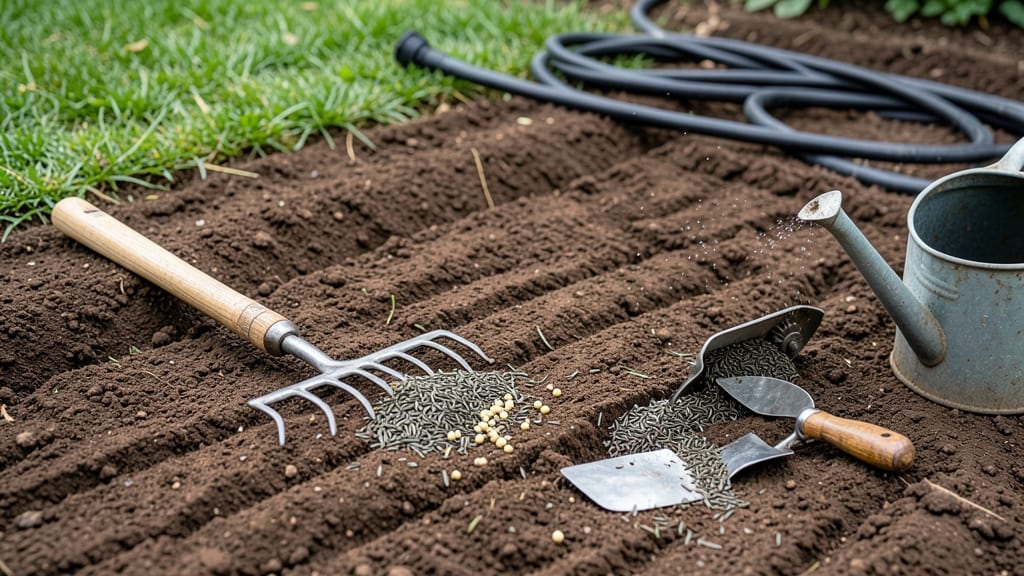
Planting grass seed in New Jersey at the wrong time can turn your $100 investment into a patchy, weak lawn that leaves your neighbors shaking their heads.
The secret to lush, disease-resistant grass lies in understanding when soil warmth meets the frost-free window—because timing isn’t just about months, it’s about degrees.
If you’ve ever watched your grass seed sprout unevenly or struggle in New Jersey’s unpredictable spring, you’re not alone. The 6a-7b climate zone gives you a narrow but critical window: early spring or fall, when temperatures hover between 50-65°F.
Plant too early, and frost will kill your efforts; too late, and summer heat will stress young roots.
I’ve spent years testing the best planting strategies in NJ, and what I’m about to share will help you avoid the three biggest mistakes homeowners make.
Whether you’re seeding a new lawn or overseeding an existing one, these insights will give you the edge for a thick, green carpet by summer.
Let’s cut to the chase: the ideal months are March-April or September-October, but there’s more to it than just dates. I’ll walk you through soil prep, watering schedules, and even which grass types thrive in your specific corner of the state—so you can finally stop guessing and start growing.
Ideal soil temperature and weather conditions for planting grass seed in NJ
New Jersey’s cool-season climate (USDA Zones 6a-7b) means timing your grass seed planting is critical for germination success. The perfect soil temperature for planting is between 50°F and 65°F, which aligns with early spring and fall windows.
According to Rutgers Cooperative Extension, these months offer the best balance of warm soil and cool air, reducing stress on young grass seedlings.
Spring planting should begin 4-6 weeks after the last frost, typically around mid-April in most of NJ.
Fall planting, however, offers a longer window—aim for late August to early October—to allow seeds to establish roots before winter dormancy. Northern NJ (e.g., Bergen County) may need to wait until late May for spring planting due to later frost dates, while Southern NJ (e.g., Cape May) can start as early as March.
Soil temperature is more critical than air temperature. Use a soil thermometer to confirm readiness—below 50°F delays germination, while above 70°F can cause seed dormancy. In Northern NJ, soil often warms to 50°F by early April, while Southern NJ may reach this threshold by mid-March.
Always check local frost-free dates from the National Weather Service for precision.
Weather conditions also play a role. Avoid planting during prolonged rain or drought, as both can hinder seed-to-soil contact and moisture retention. Light, frequent rain (or consistent watering) is ideal for the first 2-3 weeks post-planting.
In fall, aim to plant 6-8 weeks before the first frost, which in NJ typically occurs around mid-October.
Here’s how New Jersey’s microclimates affect timing:
| Region | Last Frost | First Frost | Ideal Planting Window |
|---|---|---|---|
| Northern NJ (e.g., Bergen, Morris) | Mid-April | Mid-October | Late May–Early June or Late August–Early Sept |
| Central NJ (e.g., Mercer, Middlesex) | Early April | Late October | Early April–Early May or Late August–Mid-Sept |
| Southern NJ (e.g., Cape May, Atlantic) | Mid-March | Early November | March–April or September–Early October |
If you’re overseeding an existing lawn, fall is the best time—cool temperatures reduce weed competition, and consistent rainfall in autumn supports root growth.
For new lawns, spring planting allows grass to establish before summer heat stress. Avoid summer planting in NJ, as high temperatures (often exceeding 80°F) and drought conditions create poor germination rates.
Pro tip: Test your soil’s pH before planting—NJ’s soil is often slightly acidic (6.0–6.5), which is ideal for most grasses.
If your soil is below 6.0, add lime 4–6 weeks before planting to raise the pH. Conversely, if it’s above 7.0, use sulfur to lower it. Rutgers Extension offers free soil testing kits for NJ residents.
Finally, watch for unpredictable weather patterns like late spring frosts or early fall heatwaves. If temperatures drop below 40°F at night after planting, use a lightweight frost blanket to protect young seedlings.
In Southern NJ, where winters are milder, you might extend fall planting into early November, but always aim to finish 6 weeks before frost.
Timing isn’t just about the calendar—it’s about soil warmth, weather forecasts, and your specific NJ region. By following these guidelines, you’ll give your grass seed the best chance to germinate, establish, and thrive into a lush, green lawn.
Ideal soil temperature and weather conditions for planting grass seed in NJ
New Jersey’s cool-season climate means timing your grass seed planting is critical—too early and frost will kill sprouts, too late and summer heat will stress seedlings. The perfect soil temperature for germination is between 50°F and 65°F, with consistent moisture and 6-8 hours of sunlight daily.
In NJ, this window typically falls in early spring (March-April) and fall (September-October), aligning with Rutgers Cooperative Extension’s recommendations.
The last frost date in NJ varies by region—mid-April in the south and early May in the north—so aim to plant 4-6 weeks before to ensure seedlings establish roots before summer heat arrives.
Fall planting should start 6-8 weeks before the first frost (usually mid-October), giving grass time to root before dormancy. Microclimates matter: Coastal areas like Cape May have milder winters, while inland zones like Sussex County experience harsher conditions.
🌱 Key Takeaway: Soil temp + frost-free window = success. NJ’s USDA Zones 6a-7b demand precise timing—spring or fall only!
Spring planting in NJ benefits from warmer days and cooler nights, reducing stress on young grass. However, avoid planting when soil temps exceed 75°F, as this can cause seed dormancy.
Fall planting, on the other hand, allows grass to establish deep roots before winter, resulting in a thicker, greener lawn the following spring. Both seasons require consistent watering (1 inch per week) and protection from weeds, which thrive in bare soil.
| Season | Ideal Planting Months | Soil Temp (°F) | Key Consideration |
|---|---|---|---|
| Spring | March–April | 50–65°F | Avoid late spring heat |
| Fall | September–October | 50–65°F | Plant before first frost |
For northern NJ (Zone 6a), prioritize late April to early May for spring planting, while southern NJ (Zone 7b) can start as early as mid-March. Fall planting should begin in late August for northern regions and early September for southern areas.
Always check a 7-day weather forecast before planting—consistent rain can delay germination, while prolonged dry spells require extra watering. A soil thermometer is your best tool for accuracy; insert it 2 inches deep to monitor temps daily.
💡 Pro Tip: Test soil moisture by grabbing a handful—if it crumbles easily, it’s ready for seeding. If it sticks together, wait 1-2 days for drying.
Extreme weather events, like NJ’s unpredictable spring rains or summer droughts, can derail even the best-laid plans. If you miss the ideal window, overseeding in early fall is your next best option—just ensure soil temps stay above 50°F for consistent germination.
Always choose cool-season grasses like Kentucky Bluegrass or Tall Fescue for NJ’s climate; they thrive in these conditions and outperform warm-season varieties outside summer months.
⚠️ Warning: Planting in summer (June-August) risks seed dormancy and weed competition. Save it for fall!
By aligning your planting schedule with NJ’s soil temperature guidelines and frost-free windows, you’ll give your lawn the strongest start possible. Next, we’ll cover the step-by-step prep work to ensure your soil is ready for seeding—because even the best timing won’t help if your bed isn’t prepped right. 🌱