
Plants
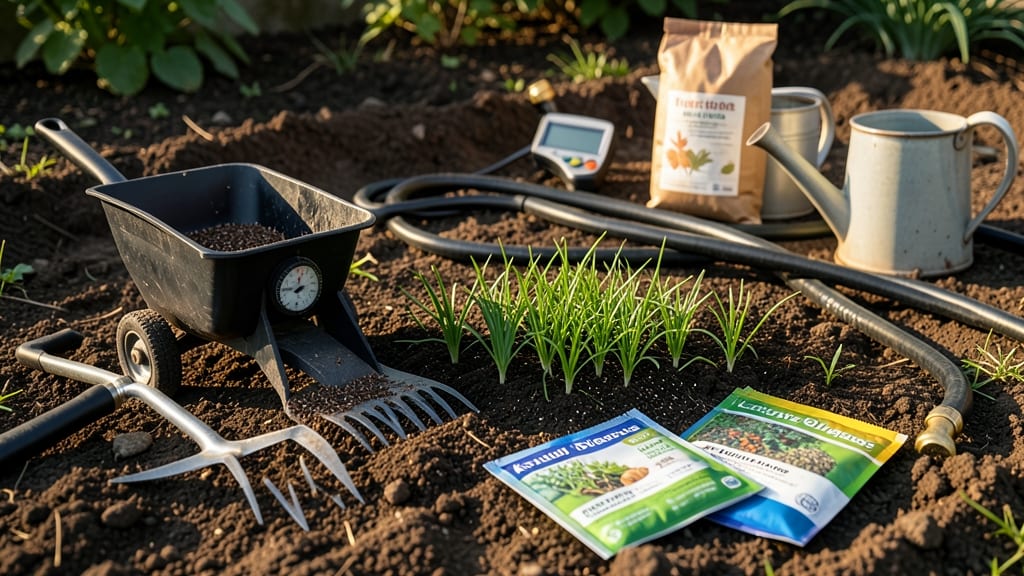
Planting grass seed in the fall gives your lawn a head start, but timing it right is the key to avoiding weeds and frost damage. The perfect window opens just 4-6 weeks before your first frost, when temperatures stay mild enough for strong root growth.
In USDA Zone 6a, that means aiming for late August to early September—cool enough to outpace weeds but warm enough for germination. This seasonal strategy isn’t just about luck; it’s about leveraging nature’s rhythm to give your 🌱 grass the best chance to establish before winter.
Why does this matter? Fall planting means fewer weeds, deeper roots, and a lawn that greens up faster in spring. I’ll walk you through the exact steps to prep your soil, choose the right seed, and keep moisture just right—so you don’t waste time or money on mistakes.
Skip the guesswork and learn how to turn your patchy lawn into a thick, vibrant carpet by next summer. Let’s get started with the best time to plant—and why it changes everything.
Optimal fall planting window by region: cool weather zones explained
Fall is the perfect window to plant grass seed because cooler temperatures reduce weed competition and evaporation. But timing varies by USDA zone—plant too early, and weeds dominate; too late, and frost stunts growth.
The ideal window is 4-6 weeks before first frost, when soil temps stay between 50-65°F.
In northern zones (3-5), aim for late August to mid-September. Southern regions (zones 7-10) can extend planting until early November, but avoid planting if frost is expected within 4 weeks. Check your local frost date—this is your hard deadline.
Here’s how to adjust for early vs. late falls. If summer lingers with hot, dry spells, delay planting until temps drop below 80°F. In regions with early frosts, start seeding by mid-August to give roots time to establish before winter.
| USDA Zone | Ideal Planting Window | Soil Temp Threshold | Last-Chance Deadline |
|---|---|---|---|
| Zones 3-5 (Cold Climates) | Late August – Mid-September | 50-60°F | Early October (before hard frost) |
| Zones 6-7 (Temperate) | Mid-September – Early October | 55-65°F | Mid-October (4 weeks before frost) |
| Zones 8-10 (Warm Climates) | Early September – Early November | 60-70°F | Early December (before winter rains) |
Regional microclimates matter too. Mountainous areas may need to plant 2 weeks earlier due to cooler temps, while coastal regions can extend planting until late fall thanks to milder winters. Use a soil thermometer to confirm temps—below 50°F slows germination.
Pro tip: Cool-season grasses (like tall fescue or Kentucky bluegrass) thrive in fall’s mild temps, while warm-season grasses (like Bermuda) should be planted in spring or summer. Always check your seed packet for specific timing.
If you miss the optimal window, don’t panic. Early spring (March-April) is the second-best time to plant, though weed pressure is higher. For last-minute fall planting, use a lightweight mulch (like straw) to insulate seeds and protect them from early frosts.
Monitor your lawn’s progress with weekly checks. New grass should show sprouts in 7-14 days if conditions are ideal. If growth stalls, increase watering or cover seeds lightly with mulch to retain moisture.
Remember: Fall-planted grass spends winter rooting deeply and emerges in spring with a head start over weeds. With the right timing, you’ll skip the summer struggle of battling heat and drought.
Need help tracking frost dates? Check the National Weather Service or your local cooperative extension office for hyperlocal advice. Happy planting! 🌱
How to prepare soil and seed for maximum fall germination success
Fall is your chance to give grass seed the perfect start—cool temps and moist soil create ideal conditions for germination. But before you scatter seeds, prep your soil and seed like a pro.
I’ve planted enough lawns to know that skipping soil prep can slash your success rate by 50% or more.
The right soil pH (6.0-7.0) and organic matter (2-3 inches of compost) make all the difference. Cool-season grasses like tall fescue and ryegrass thrive when the ground is loose and nutrient-rich. Let’s break down the step-by-step prep to ensure your seeds sprout thick and fast.
Don’t overlook seed-to-soil contact—this is non-negotiable for germination. Use a broadcast spreader ($30) to distribute seeds evenly, then lightly rake to press them ¼-inch deep. For slopes, use a slit seeder to ensure seeds stay put.
Pro tip: Water deeply before planting to settle the soil and create a moisture-rich bed for seeds. Aim for 1-1.5 inches of water in the first 24 hours—this keeps seeds hydrated while they sprout. Mulch with straw (not hay!) to retain moisture and block weeds.
With the right prep, your grass will germinate in 7-21 days, depending on the variety and weather. Stay consistent with watering, and you’ll see thick, uniform growth by early winter—ready to outlast frost and bloom in spring.
🌱