
Plants
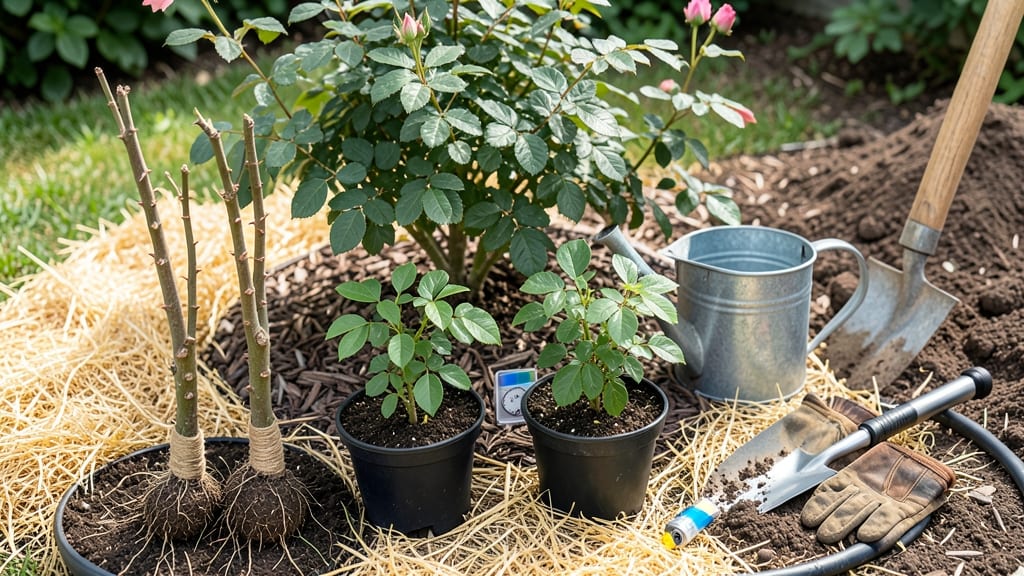
When is the best time to plant roses in Arizona isn’t just about the calendar—it’s about beating the brutal heat and drought. Planting too early or late can leave your 🌹 vulnerable to stress, but with the right strategy, you’ll set them up for lush, thriving blooms all year.
Most gardeners in Zone 9b swear by late fall or early winter as the best window, but the truth is more nuanced. Whether you’re in Phoenix’s low desert or Flagstaff’s cooler highlands, understanding your microclimate makes all the difference. I’ll break down the exact months that work—and why they matter.
You’ll learn how to prep your soil for Arizona’s arid conditions, when to water (and how much), and which rose varieties handle the heat like champs. Skip the guesswork and plant with confidence—your roses will thank you with vibrant blooms from spring to fall.
Ready to transform your yard into a desert oasis? Let’s dive into the science-backed secrets for planting roses that actually thrive in Arizona’s extreme climate.
Arizona’s ideal rose planting windows by heat Zone: best months for success
Arizona’s climate is as varied as its landscapes—from the scorching low desert of Phoenix to the cooler high desert of Flagstaff. These differences mean your planting window for roses can shift by months depending on elevation.
For most of Arizona’s USDA zones 6b-11, the safest time to plant roses is during the cooler months, but timing varies dramatically between regions.
In the low desert (Phoenix, Tucson), where temperatures can exceed 100°F in summer, planting roses between November and February gives them time to establish roots before the heat arrives.
Meanwhile, in the high desert (Flagstaff, Prescott), where frosts linger until late April, you can extend planting into early spring (March-April) with minimal risk.
Avoid planting during Arizona’s monsoon season (July-August) or when soil temperatures exceed 85°F. High heat causes transplant shock, and roses struggle to root in these conditions. Even bare-root roses, which are hardier, need time to acclimate before summer’s intensity.
Here’s a breakdown of the best planting windows by Arizona’s key regions, including soil temperature thresholds and monsoon considerations:
| Region | USDA Zone | Best Planting Window | Soil Temp Threshold | Monsoon Risk |
|---|---|---|---|---|
| Low Desert (Phoenix, Tucson) | 9b-11 | November–February | Below 80°F | None (avoid July-August) |
| Transition Zone (Mesa, Sedona) | 8a-9a | October–March | Below 75°F | Low (plant before rains) |
| High Desert (Flagstaff, Prescott) | 6b-7a | March–April | Above 40°F | Moderate (plant after last frost) |
If you miss the ideal window, don’t despair—container-grown roses can be planted in late winter (March) as long as you provide afternoon shade and consistent watering. However, bare-root roses planted in spring often struggle with heat stress and require extra care to survive.
For heat-tolerant varieties like ‘Knock Out’ roses or ‘EarthKind’ roses, you can push planting into early fall (September-October) in cooler high-desert areas. These varieties handle Arizona’s climate better but still need proper soil prep and mulching to retain moisture.
Pro tip: Check your local cooperative extension office for microclimate data. Even within Phoenix, neighborhoods can vary by 5-10°F in temperature, affecting planting success. For example, Scottsdale may be 5°F warmer than Tempe, delaying your ideal planting window by 2-3 weeks.
Timing isn’t just about avoiding heat—it’s also about leveraging Arizona’s cool-season rains. Planting in November aligns with natural moisture, reducing your need for supplemental watering during the critical root-establishment phase. This is why November is the gold standard for low-desert rose planting.
Finally, always account for elevation. A rose planted in Tucson (2,500 ft) may thrive with a February start, while the same rose in Flagstaff (7,000 ft) could wait until April without risk.
Use a soil thermometer to confirm temperatures are safe—below 80°F for low desert, below 70°F for transition zones.
How to prepare roses for Arizona’s extreme heat: pre-planting tips for long-term survival
Arizona’s scorching summers and alkaline soils can turn rose planting into a high-stakes gamble. The key to success? Preparing your roses—and your soil—months before the first shovel hits the ground. I’ve learned that heat-acclimated roots and amended soil are non-negotiable for roses to survive Arizona’s 110°F+ temperatures.
Let’s break down the critical pre-planting steps that’ll set your roses up for a lifetime of blooms.
First, test your soil’s pH—Arizona’s native soils often run alkaline (7.5-8.5), which roses hate. Aim for 6.0-6.5 by mixing in 2-3 inches of compost or peat moss into the planting hole.
I swear by Earthworm castings too—they improve drainage while adding nutrients. Never skip this step, or your roses will struggle to uptake water and nutrients during peak heat.
⚠️ CAUTION: Over-amending with organic matter can cause fungal issues in Arizona’s humidity spikes. Stick to 1 part compost to 3 parts native soil to balance fertility without suffocating roots.
🔥 Deadly Mistake Alert: Planting Without Shade Acclimation
Arizona’s intense afternoon sun (2 PM–5 PM) can scorch new rose leaves within hours. Hardening off potted roses for 7–10 days before planting is a must. Gradually move them from morning shade to full sun—start with 2 hours of direct light, then increase by 1 hour daily. Skipping this step = crispy foliage and stunted growth.
Next, water deeply before planting. Arizona’s low humidity means roots dry out 3x faster than in humid climates. Soak the planting area 24 hours before you plant, and keep the soil consistently moist for the first 4–6 weeks.
I use drip irrigation on a timer to avoid surface evaporation. Mulch heavily (3–4 inches of straw or wood chips) to lock in moisture and regulate soil temps.
Choose heat-tolerant rose varieties like ‘Knock Out’ roses or ‘EarthKind’ roses, bred to thrive in Zone 8–11. These varieties handle Arizona’s drought and heat better than traditional hybrids. I’ve had zero dieback with ‘Knock Out’ roses planted in Phoenix’s 112°F summers—they’re my go-to for low-maintenance blooms.
Finally, plant in the coolest part of your yard, ideally near a south-facing wall for winter sun protection.
Avoid low spots where cold air pools—roses hate frost pockets, even in Arizona’s mild winters. Space plants 3–4 feet apart for airflow, which prevents black spot fungus (a common killer in Arizona’s monsoon season).
Pro tip: Plant bare-root roses in late November—this gives roots 2–3 months to establish before the April heatwave. Container-grown roses can go in until mid-February, but never plant after March 15 unless you’re in higher elevations (Flagstaff, Prescott), where cooler temps extend the window.