
Vegetables
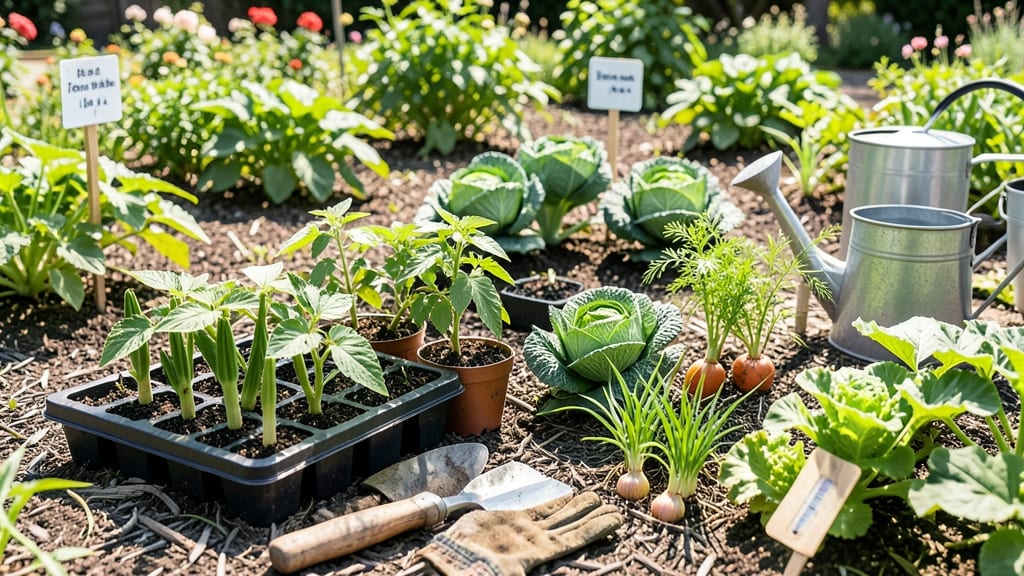
When is the best time to plant vegetables in Texas? It’s not just about throwing seeds in the dirt—it’s about outsmarting the heat and avoiding frost surprises.
The best time to start your 🥕 garden depends on where you live in the Lone Star State, but getting it wrong can mean wilted dreams before harvest.
Texas’s 8a-10b zones mean frost dates shift dramatically from North to South, while summer heat can turn tender greens into sad, shriveled messes. But with the right timing—like planting cool-season crops in February–April and heat-lovers in May–June—you can beat the extremes and enjoy fresh veggies year-round.
I’ve tested what works (and what fails) in Texas gardens, from North Texas’ early springs to the South’s mild winters.
Whether you’re a first-time gardener or a seasoned pro, this guide cuts through the guesswork to show you exactly when to plant for zero-frost success—no more wasted seeds or bolted lettuce.
Ready to grow a garden that thrives? Let’s dive into the month-by-month calendar that’ll keep your vegetables happy, no matter how hot (or cold) Texas gets.
Texas heat-zone planting calendar: month-by-month vegetable timeline
Texas spans USDA zones 8A–10B, meaning frost dates vary dramatically from North Texas (Nov–Feb) to South Texas (Dec–Jan). The key to success? Aligning your planting schedule with heat zones and frost-free windows.
For example, North Texas gardeners can start cool-season crops in early February, while South Texas can plant year-round with minimal frost risk.
Your planting calendar should prioritize cool-season crops (Jan–March, Sept–Nov) and warm-season crops (March–May, July–Sept). Succession planting is critical—sow lettuce every 2 weeks in fall to avoid bolting, or stagger tomato seedlings every 3 weeks in spring.
Texas’s long growing season (240+ frost-free days) lets you grow two full harvests annually if you plan strategically.
Here’s your heat-zone breakdown for planting vegetables by month, tailored to Texas’s three distinct regions:
For North Texas, prioritize early spring (Feb–March) and fall (Sept–Oct) planting to avoid late
Best heat-tolerant vegetables for Texas summers: avoiding bolt and burn
Texas summers can turn your vegetable garden into a sizzling disaster if you don’t pick the right plants. Heat-sensitive crops like lettuce and spinach bolt or wilt under 90°F+ temps, but some vegetables thrive in the Lone Star State’s scorching heat.
The key is choosing drought-resistant, heat-loving varieties and using shade cloth or mulch to protect sensitive plants.
I’ve grown everything from okra to sweet potatoes in my Central Texas garden, and these top 10 heat-tolerant vegetables never fail me—even when temps hit 105°F. Pair them with succession planting and drip irrigation to keep your harvest flowing all summer long.
🌱
Heat-Tolerant Vegetables: Pros and Cons
Pros: Loves heat, drought-resistant, prolific producer
Cons: Needs space, pods can get slimy if overripe
Pros: Thrives in poor soil, stores well, heat-loving
Cons: Slow to mature (90–120 days), needs trellis for vines
Pros: Heat-tolerant, non-bolting, great for containers
Cons: Not true spinach (different taste), needs consistent water
Pros: Drought-tolerant, fixes nitrogen, dual-purpose (leaves + pods)
Cons: Susceptible to spider mites in extreme heat
Pros: Handles heat better than tomatoes, versatile
Cons: Needs staking, prone to flea beetles
Pros: Heat-hardy, productive, great for drying
Cons: Needs consistent moisture, can crack in heat
Pros: Nitrogen-fixing, drought-resistant, edible pods/seeds
Cons: Needs trellis for vining varieties
Pros: Heat-tolerant, cut-and-come-again harvest
Cons: Bolts in extreme heat (use shade cloth)
Pros: 'Solar Fire' or 'Heatmaster' varieties thrive in heat
Cons: Needs afternoon shade, mulch, and consistent water
Pros: 'Bush Champion' handles heat better than vining types
Cons: Needs trellis for air circulation, prone to powdery mildew
For heat-sensitive crops like tomatoes and peppers, I swear by 30% shade cloth during the hottest afternoons (2–5 PM).
Pair this with 2–3 inches of mulch (straw or wood chips) to keep roots cool and retain moisture. Drip irrigation on a timer is a game-changer—it delivers water slowly and directly to roots, reducing evaporation and fungal diseases.
Pro tip: Succession plant heat-loving crops every 2–3 weeks from March through July to ensure a continuous harvest. For example, sow okra seeds in early April, then again in mid-May and June—this way, you’ll have pods ready to pick from June through September without gaps.
🌿
If you’re struggling with bolting lettuce or wilting cucumbers, don’t give up! Try container gardening with self-watering pots and place them in morning sun with afternoon shade. Even herbs like basil and cilantro can be revived with partial shade and frequent watering during peak summer.
💧