
Plants
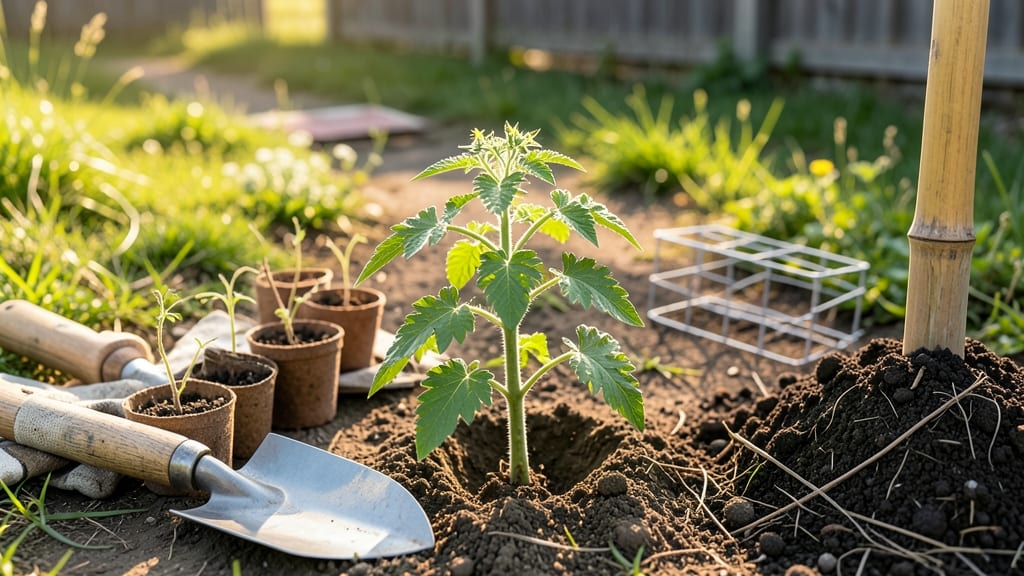
Planting tomatoes in Texas isn't just about grabbing seedlings and sticking them in the dirt—it's a high-stakes game of timing that separates thriving plants from sad, wilted failures.
With last-frost dates ranging from mid-February in South Texas to mid-March in the Panhandle, getting it wrong means either frost-nuked starts or plants struggling under summer's brutal heat.
I've learned the hard way that rushing spring plantings or waiting too long for fall can turn your 🍅 dreams into a 3-step disappointment. The key? Understanding your specific USDA zone (8a-10a) and waiting until soil hits 60°F—because even heat-loving tomatoes need a break from Texas summers.
Let me show you exactly when to plant for maximum harvests in both spring and fall.
Whether you're in North Texas where frosts linger or South Texas where summer arrives early, we'll cover the perfect windows: mid-February to early April for spring and late July to mid-August for fall.
Plus, I'll share my top tricks for beating heat stress and extending your growing season so you can enjoy homegrown tomatoes from June through November.
No more guessing games—just proven strategies that actually work in Texas's unpredictable climate. Ready to transform your garden from "meh" to "massive harvest"? Let's get started with the timing that makes all the difference.
Texas planting zones: ideal dates for spring vs. fall tomatoes
Texas spans USDA zones 8a-10a, meaning gardeners face wildly different frost risks and growing seasons depending on location. In North Texas (8a), last frost dates hover around March 15, while South Texas (10a) can plant as early as February 15.
These differences dictate whether you'll grow spring tomatoes or rely on fall plantings for your harvest. Understanding your zone ensures you avoid frost damage or heat stress.
For spring tomatoes, aim to transplant seedlings 2-3 weeks after your last frost date—typically mid-March to early April in most of Texas. But here’s the catch: soil must reach at least 60°F for roots to establish properly.
Cold soil slows growth, leaving plants vulnerable to pests and diseases. Use a soil thermometer to confirm readiness before planting.
In Central Texas (9a), where last frosts average March 1, gardeners often start seeds indoors in January for early spring harvests. Meanwhile, West Texas (9b-10a) gardeners can plant outdoors as early as late February due to warmer desert climates.
Always check local Cooperative Extension Service data for precise frost dates in your county.
Fall planting is where Texas truly shines—cooler nights and milder days create ideal conditions. Seedlings should go in the ground 8-10 weeks before your first frost, which ranges from November 1 in Central Texas to December 1 in South Texas. This means late July to mid-August for most regions, giving you a second harvest before winter sets in.
Here’s a critical tip: Heat-tolerant varieties like 'Heatmaster' or 'Solar Fire' thrive in Texas summers, but even they need protection. For spring plantings, use row covers or shade cloth to shield young plants from sudden heat spikes.
In fall, prioritize disease-resistant varieties like 'Celebrity' or 'Better Boy' to combat fungal risks from morning dew.
One common mistake? Planting too early in hopes of an earlier harvest. Tomatoes hate cold soil—roots rot below 50°F, and seedlings wilt without warmth. Always wait for consistently warm nights (above 50°F) before transplanting, even if daytime temps are perfect. Patience here means stronger plants and bigger yields.
| Region | Last Frost Date | Spring Planting Window | Fall Planting Window | Heat-Tolerant Varieties |
|---|---|---|---|---|
| North Texas (8a) | March 15 | Mid-April to early May | Late July to early August | 'Heatmaster', 'Solar Fire' |
| Central Texas (9a) | March 1 | Late March to April | Early August to mid-August | 'Celebrity', 'Better Boy' |
| South Texas (10a) | February 15 | Mid-February to March | Late July to early September | 'Arkansas Traveler', 'Sunmaster' |
| West Texas (9b-10a) | February 28 | Late February to March | Early August to mid-August | 'Mountain Merit', 'Heatmaster' |
Why do so many Texas gardeners prefer fall plantings? The answer lies in cooler nights and fewer pests. Spring tomatoes often face aphid infestations and fungal diseases like early blight, while fall crops enjoy 60-70°F daytime highs and 50-60°F nights—perfect for fruiting.
Plus, fall tomatoes mature faster in the mild weather, giving you a harvest before winter sets in.
For container growing, adjust timing slightly: potted tomatoes heat up faster, so plant 2 weeks later than in-ground varieties. Use black plastic pots to absorb heat and self-watering systems to prevent drought stress.
In urban areas like Austin or Dallas, balconies and patios become prime real estate for cherry tomato varieties like 'Sweet 100' or 'Tiny Tim'.
Pro tip: Mark your calendar for August 15—this is the ideal deadline to start fall seedlings indoors. By September 1, your transplants should be ready for the garden, giving them enough time to establish roots before cooler weather arrives.
Fall tomatoes often outperform spring crops in Texas, so don’t overlook this second planting window!
Texas planting zones: ideal dates for spring vs. fall tomatoes
Texas spans USDA zones 8a-10a, meaning last frost dates vary wildly—from mid-February in South Texas to mid-March in the Panhandle. This diversity forces us to adjust planting timelines dramatically.
For example, my North Texas garden (zone 8a) waits until April 15 for spring tomatoes, while my friends in Houston (zone 9a) plant as early as February 20.
Don't just check calendar dates—soil temperature matters most. Tomatoes refuse to thrive until the ground hits 60°F consistently. I use a soil thermometer to confirm readiness, because even heat-loving varieties like 'Solar Fire' will sulk in cold soil.
The good news? Fall plantings often succeed with cooler nights and less pest pressure.
🌱Key rule: Plant spring tomatoes 2-3 weeks after your last frost date, and start fall tomatoes 60-75 days before first frost. This gives plants time to mature before summer's brutal heat or winter's chill arrives.
My fall tomatoes in Central Texas (zone 8b) always outperform spring ones because they avoid July's 100°F+ days.
| Zone | Last Frost | Spring Plant Window | Fall Plant Window | Best Varieties |
|---|---|---|---|---|
| North Texas (8a) | March 15 | April 15-May 1 | July 15-August 15 | 'Celebrity', 'Better Boy' |
| Central Texas (8b) | March 1 | March 20-April 15 | July 1-August 10 | 'Heatmaster', 'Solar Fire' |
| South Texas (9a-10a) | February 15 | February 20-March 15 | June 15-July 30 | 'Sunmaster', 'Arkansas Traveler' |
For spring plantings, I always start seeds indoors 6-8 weeks before the last frost date. This gives seedlings a head start while avoiding transplant shock. My North Texas plants need this extra time because our growing season is shorter.
In South Texas, where summers arrive early, fall plantings are my top strategy—they mature before August's heat becomes unbearable.
Pro tip: Use row covers for early spring plantings to protect from late frosts (they happen!). I've saved entire batches of seedlings this way. For fall, focus on heat-tolerant varieties that can handle 90°F+ days while still producing.
My 'Heatmaster' plants consistently give me tomatoes in October when others have given up.
🌿 Remember: Texas heat is your enemy—but timing is your superpower. Plant too early, and you'll battle frost; too late, and you'll fight drought.
The 45-60 day window after last frost (or before first frost for fall) is your sweet spot for maximum yields with minimum stress on the plants.