
Planting
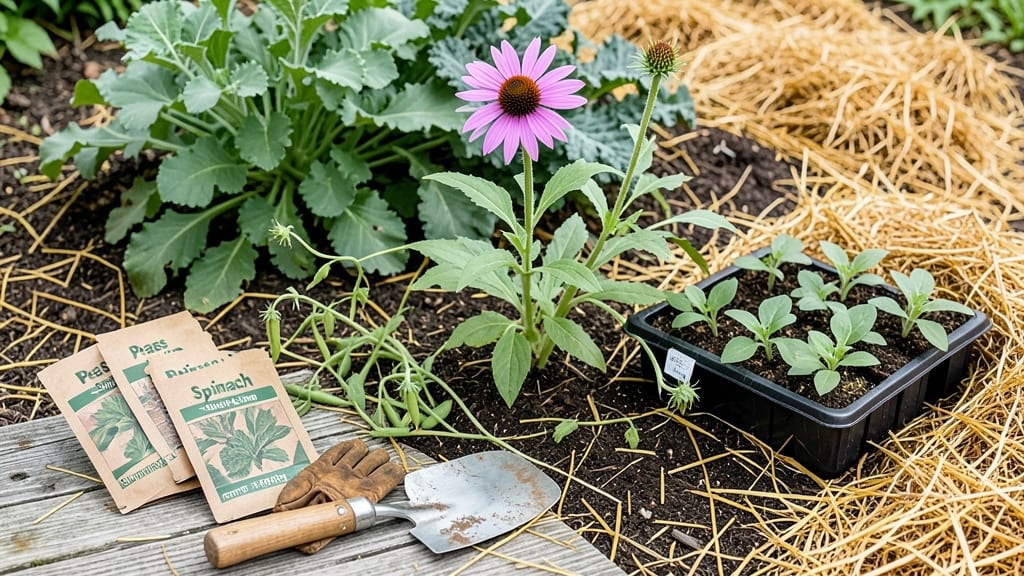
Knowing when to plant a garden in Minnesota means the difference between a bountiful harvest and a frost-killed disappointment—and with the state’s fickle weather, getting those dates wrong can be costly.
The key isn’t just waiting for spring; it’s understanding how USDA Zones 3b-5b shape your planting windows, from late April’s first warm snaps to the fall crops that thrive before October’s first frost.
I’ve spent years testing what works in Minnesota’s unpredictable climate, and the secret isn’t guessing—it’s knowing when to start seeds indoors, when to transplant hardy greens like kale, and how to stretch the season with row covers.
Whether you’re a first-time gardener or a veteran with a 🌱 thriving plot, these exact planting windows will help you avoid common mistakes and maximize every growing day.
From cool-season peas that love early spring to tomatoes that need warm soil, we’ll break down the perfect schedule for your zone. You’ll learn how microclimates (like urban heat islands) can shift your timeline, plus pro tips for succession planting to keep your garden productive all season.
Let’s get your Minnesota garden off to the right start—no frost damage required.
Ready to turn those frost dates into a harvest calendar? I’ll walk you through the must-know deadlines, crop-by-crop, so you can plant with confidence. No more second-guessing—just green thumbs and full baskets.
Minnesota’s last frost dates by growing Zone: a planting timeline
Minnesota’s growing zones 3b-5b create dramatic differences in frost dates—just 50 miles apart. Northern zones (like Zone 3b) often see last frosts in late May, while southern areas (like Zone 5a) can plant by mid-April.
These variations mean your neighbor’s tomato plants might thrive while yours still face frost risk.
First, check your local frost dates using the MN State Climatology Office or USDA Plant Hardiness Map. Urban areas (like Minneapolis) tend to warm 1-2 weeks earlier than rural spots due to the heat island effect.
For example, Zone 4b in the Twin Cities might see last frosts around May 15, while nearby farmland could be May 25.
Here’s how to use this timeline: Wait until after your zone’s average last frost date to plant warm-season crops like tomatoes or peppers. For cool-season crops (e.g., kale, spinach), you can start 4-6 weeks before the last frost.
Always have a frost watch plan—like row covers—to protect tender plants.
Minnesota Frost Dates by USDA Zone
| Zone | Last Frost (Spring) | First Frost (Fall) | Frost-Free Days | Planting Window |
|---|---|---|---|---|
| 3b (Northwest) | May 20–June 1 | September 20–October 5 | 90–110 days | Late May–mid-June (warm crops) |
| 4a (Central) | May 10–May 20 | October 5–October 15 | 110–130 days | Mid-May–early June |
| 4b (Twin Cities) | May 1–May 10 | October 10–October 20 | 130–150 days | Late April–mid-May |
| 5a (Southeast) | April 20–May 1 | October 15–October 30 | 150–170 days | Early April–late April |
| 5b (Southwest) | April 10–April 20 | October 25–November 5 | 170–190 days | Mid-March–early April |
*Dates are averages—always monitor local forecasts for 5-day predictions before planting.
Microclimates play a huge role in Minnesota gardening. A south-facing slope can warm 2-3 weeks earlier than a north-facing valley. Even your yard’s elevation matters—higher areas (like the North Shore) stay colder longer.
To adapt, use frost-sensitive plants (e.g., marigolds) as early warning indicators. If they wilt overnight, your tomatoes need protection.
For fall planting, aim to sow cool
Best planting schedule for Minnesota crops: cool-season vs. warm-season
Minnesota gardeners know that timing your planting schedule isn’t just about waiting for spring—it’s about matching each crop to its ideal temperature range. Cool-season crops like peas and spinach thrive in chilly soil, while warm-season favorites like tomatoes and peppers need to wait for the ground to warm up.
I’ve planted both in Minnesota for years, and the difference between a bountiful harvest and a frost-killed failure often comes down to these exact windows.
For cool-season crops, start as early as late March indoors or early April outdoors in USDA Zone 4-5. These hardy plants can handle light frosts and even prefer cooler weather.
Meanwhile, warm-season crops need to wait until after the last frost date—typically mid-May—and soil temperatures should be at least 50°F (10°C) for most vegetables. Let’s break down the perfect planting schedule for Minnesota’s most popular crops.
🌱 Cool-Season Crops (Plant Early!)
- Peas & Spinach: Start seeds indoors in late March or direct sow in early April. These thrive in 40-60°F soil and can even handle light frosts.
- Lettuce & Kale: Sow seeds 2-3 weeks before last frost (early April) for a spring harvest. For fall, plant again in late July for an autumn crop.
- Potatoes: Plant in early April when soil is workable. They love cool weather and can tolerate light frosts once established.
| Crop Type | Planting Window | Soil Temp | Notes |
|---|---|---|---|
| Peas | Late March–April | 40–60°F | Tolerates frost; plant early |
| Spinach | April–May, July–Aug | 45–65°F | Bolt-resistant varieties for summer |
| Tomatoes | After last frost (May 15–20) | 55–65°F | Start indoors 6–8 weeks before |
| Peppers | After last frost (May 20–June 1) | 60–70°F | Slow to germinate; needs warmth |
| Kale | April–May, July–Aug | 40–60°F | Sweeter after frost; great for fall |
Warm-season crops like tomatoes and peppers need to wait until the soil is warm—typically after mid-May. These plants are frost-sensitive, so don’t rush them! Start seeds indoors 6-8 weeks before the last frost date to give them a head start.
For succession planting, sow fast-growing crops like bush beans every 2 weeks from June to July to keep the harvest going.
One of my biggest tips for Minnesota gardeners is to use row covers or cold frames to extend the season for warm-season crops. This lets you plant tomatoes and peppers 2-3 weeks earlier without risking frost damage.
I’ve seen earlier harvests by just adding a simple floating row cover—it’s a game-changer for short seasons.
Don’t forget about fall planting! Cool-season crops like broccoli and carrots can be sown in late July or early August for a harvest before winter. The key is to plant them 8-10 weeks before the first frost (usually mid-October) so they mature before the ground freezes.
This strategy gives you a second harvest without taking up extra space in spring.
Timing your planting schedule isn’t just about dates—it’s about understanding your crops. Cool-season plants love the chill, while warm-season stars need heat. By following these windows, you’ll avoid frost damage and maximize your harvest potential in Minnesota’s unpredictable climate. Happy planting! 🌿