
Planting
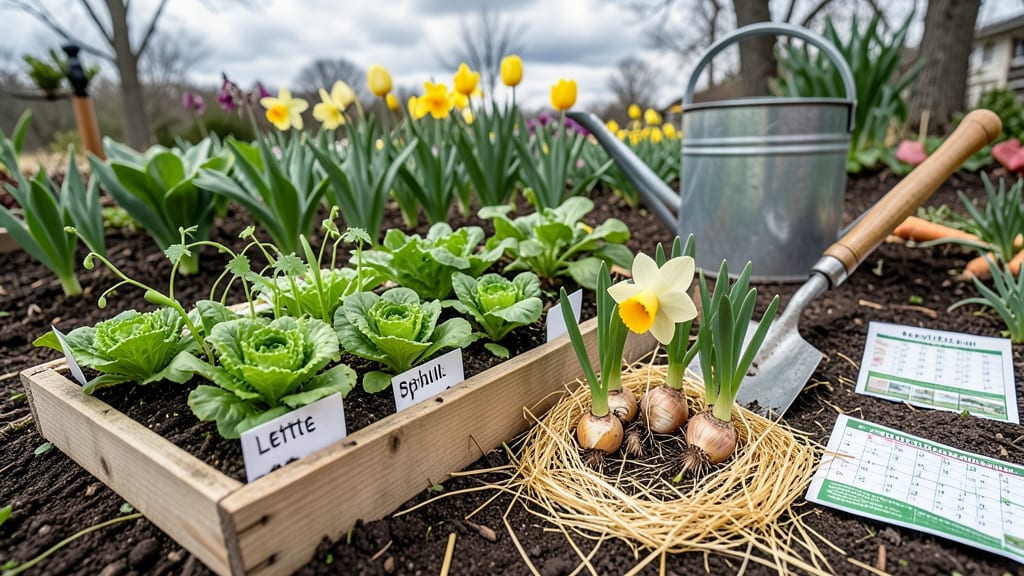
Planting your Missouri garden at the wrong time means either shivering through a frost-killed crop or wilting under summer’s scorching heat.
With the state’s USDA zones ranging from 5b to 7a, figuring out the exact window for each variety can feel like solving a puzzle—especially when spring weather plays hide-and-seek.
I’ve spent years tracking Missouri’s frost dates and soil temperatures, and the key to success isn’t just avoiding frost—it’s knowing when to start seeds indoors, when to direct-sow outdoors, and how to adjust for your specific zone.
Whether you’re growing tomatoes in St. Louis or peppers in Southeast Missouri, timing makes all the difference.
In this guide, I’ll break down the perfect planting schedule for your zone, from cool-season greens to heat-loving squash, plus pro tips to handle Missouri’s unpredictable weather. No more guessing—just a foolproof plan to get your 🌱 garden thriving from seed to harvest.
Ready to stop second-guessing and start planting with confidence? Let’s dive into the exact dates and strategies that work for Missouri gardeners—so you can enjoy a bountiful harvest without the stress.
Missouri planting deadlines by USDA zone (4-6): frost-free dates & safe planting windows
Missouri’s USDA zones 4-6 create a 3-week difference in frost-free dates—meaning your northern gardens (zone 4) must wait longer than southern Missouri (zone 6).
The average last frost in St. Louis (zone 6) is April 15, while Kansas City (zone 5) typically sees frost until April 22, and northern Missouri (zone 4) can hold frost until May 1.
These dates are your planting anchors—but always check local microclimates (like urban heat islands or hilltops) for adjustments.
For cool-season crops like spinach, peas, and lettuce, you can start seeds 4-6 weeks before your last frost date. Warm-season crops (tomatoes, peppers, squash) need soil temperatures above 60°F—so wait until 2 weeks after your last frost or use black plastic mulch to warm the soil faster.
The Missouri State Climate Office offers real-time frost alerts—bookmark their frost probability maps for last-minute adjustments.
Here’s your zone-by-zone planting timeline, including safe windows for both direct sowing and transplanting seedlings:
| Zone | Last Frost Date | Cool-Season Planting Window | Warm-Season Planting Window | First Frost Warning |
|---|---|---|---|---|
| 4 (North) | May 1 | April 15–May 1 | May 15–June 1 | October 15 |
| 5 (Central) | April 22 | March 25–April 22 | April 25–May 15 | October 5 |
| 6 (South) | April 15 | March 15–April 15 | April 10–May 1 | October 1 |
Adjust 1–2 weeks earlier for urban areas or microclimates with warmer soil.
Pro tip: Use a soil thermometer to confirm warm-season readiness. Tomatoes and peppers thrive when soil hits 65°F, while squash and cucumbers need 70°F.
If your soil is too cold, opt for fast-maturing varieties like ‘Early Girl’ tomatoes (55 days) or ‘Straightneck’ squash (45 days) to beat the heat.
For succession planting, plan to sow lettuce and radishes every 2 weeks until July 1—this ensures a continuous harvest before bolting. Bush beans and carrots can handle late summer heat if planted by June 15, while kale and Brussels sprouts love cool fall weather and should go in by August 1.
Missouri’s first frost arrives earlier in the north (zone 4) than the south (zone 6), so extend your season with row covers or cold frames.
In zone 6, you can push fall crops until October 15, while zone 4 gardeners should harvest by October 1 or use low tunnels to protect greens.
Don’t rely solely on calendar dates—track local weather patterns using apps like Old Farmer’s Almanac or Weather Underground. A 3-day warm spell in April might trick you into planting tomatoes too early, only for a late frost to wipe them out.
When in doubt, harden off seedlings and wait 10 days past your average last frost before planting.
Missouri’s clay-heavy soils in the north and sandy soils in the Bootheel also affect planting times. Amend clay soil with compost 4–6 weeks before planting to improve drainage and warmth. In southern Missouri, irrigate frequently during dry spells to prevent transplant shock in warm-season crops.
Remember: Missouri’s weather is unpredictable. Even if your neighbors plant early, their microclimate might differ from yours. Start seeds indoors 6–8 weeks before your last frost for warm-season crops—this gives you a head start and flexibility to adjust outdoor planting based on real-time conditions.
🌱
Best vegetables & flowers to plant in Missouri: month-by-month schedule by variety
Missouri’s diverse climate means your planting schedule should shift based on whether you’re in northern zone 4 or southern zone 6. Cool-season crops like lettuce and peas thrive in early spring, while tomatoes and squash need warm soil to germinate.
Below, I’ve broken down the ideal planting windows for Missouri’s top varieties, so you can align your garden with the seasons.
For cool-season crops, start seeds indoors 6-8 weeks before your last frost date. In zone 5 (central Missouri), that’s typically early March, while zone 4 gardeners should wait until late March.
Warm-season crops like peppers and eggplants need soil temps above 60°F—wait until mid-May in northern Missouri or early May in the south.
🌱 Did You Know? Missouri’s ‘Missouri Golden’ sweet corn is a local favorite, but it needs 60-70 days of warm weather. Plant it 2 weeks after your last frost date for the best yield.
- 🥬 Lettuce, Spinach, Kale – March-April (direct sow) or Feb-March (start indoors).
- 🌿 Peas, Radishes, Carrots – March-April (tolerate light frost).
- 🥔 Potatoes – March-April (plant when soil reaches 45°F).
- 🍅 Tomatoes, Peppers, Eggplants – After May 15 (northern MO) or April 15 (southern MO).
- 🎃 Squash, Cucumbers, Beans – May-June (soil must be 60°F+).
- 🌻 Marigolds, Zinnias, Sunflowers – April-June (direct sow after frost).
- 🍓 Strawberries – March-April (bare-root) or April-May (potted).
- 🌱 Asparagus Crowns – March-April (takes 2-3 years to harvest).
- 🌷 Daylilies, Lavender – April-May (plant after last frost).
Succession planting is key for continuous harvests. For example, sow bush beans every 2 weeks from June to July, or replant lettuce in late summer for a fall crop. In zone 6, you can even extend your season with row covers for late-planted greens.
Missouri’s humid summers can stress plants, so prioritize heat-tolerant varieties like ‘Arkansas Traveler’ tomatoes or ‘Black Beauty’ eggplants. For flowers, coneflowers and black-eyed Susans thrive in Missouri’s heat and attract pollinators all season.
Pro tip: Use a soil thermometer to confirm warm-season crops are planted when soil temps hit 60°F+. In northern Missouri, this might not happen until late May, while southern gardens can start earlier.
Adjust your schedule based on your microclimate—urban areas may warm up faster than rural spots.
Start with these zone-specific deadlines, and soon you’ll be harvesting homegrown veggies all season long. Happy planting! 🌿