
Planting
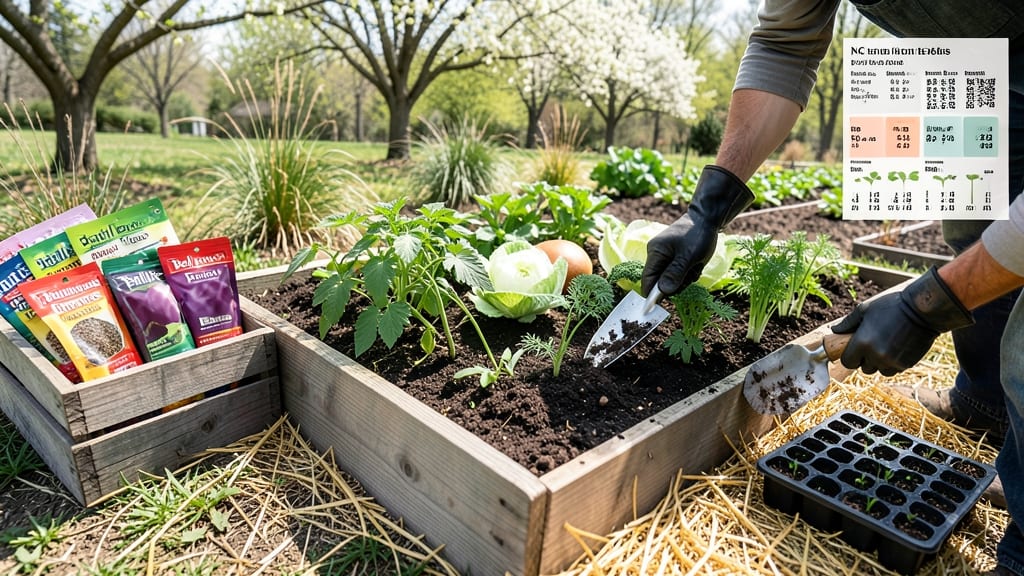
Timing your vegetable garden in North Carolina can make or break your harvest—plant too early, and frost zaps your 🌱 seedlings; too late, and summer heat stunts growth. The key lies in knowing your county’s last frost date, which varies wildly from the Mountains to the Coastal Plain.
I’ve dug into NC State Extension data to pinpoint the perfect planting windows for your region, whether you’re growing heat-loving tomatoes or frost-tolerant peas. With these insights, you’ll avoid common mistakes like premature transplanting or missing the ideal soil temperature window.
Ready to transform your garden from a gamble to a guaranteed harvest? I’ll walk you through regional planting schedules, frost-date adjustments, and even how to stretch your growing season with simple tricks. Let’s get those seeds in the ground at the right time!
From Piedmont’s unpredictable swings to the Mountains’ early frosts, this guide ensures you’re always ahead of the weather. No more wasted effort—just bountiful yields all season long.
NC last frost dates by county: critical planting windows for vegetable success
North Carolina spans three distinct climate regions, each with unique last frost dates that dictate your planting schedule. The Coastal Plain typically enjoys the earliest springs, while the Mountains face later frosts—sometimes as late as May 15.
Even within regions, microclimates (like valleys or urban heat islands) can shift frost dates by 1-2 weeks. Understanding these variations ensures you plant cool-season crops like broccoli and warm-season crops like tomatoes at the optimal time.
For cool-weather vegetables, aim to sow seeds or transplant seedlings 2-4 weeks before your county’s average last frost date. For warm-season crops, wait until 2 weeks after the last frost when soil temperatures consistently reach 60°F.
The NC State Extension provides county-specific frost data, but I’ll break down the general timelines for each region to simplify your planning.
| Region | Avg. Last Frost | Cool-Season Planting Window | Warm-Season Planting Window |
|---|---|---|---|
| Coastal Plain (e.g., Wilmington, Fayetteville) | Mid-March to early April | February (direct sow) - March 15 (transplant) | April 15 - May 1 (after soil warms) |
| Piedmont (e.g., Raleigh, Greensboro, Charlotte) | Late March to early April | March 1 - March 20 (transplant) | April 15 - April 30 |
| Mountains (e.g., Asheville, Boone, Sylva) | Mid-April to early May | April 1 - April 15 (transplant) | May 1 - May 15 |
*Adjust dates 1-2 weeks earlier for low-lying areas or later for high elevations.
If you’re in the Coastal Plain, you can start spinach or radishes as early as January in protected beds, while Mountain gardeners should wait until April 1 to avoid frost damage.
For warm-season crops, soil temperature matters more than air temperature—use a soil thermometer to confirm 60°F+ before planting tomatoes, peppers, or cucumbers.
In the Piedmont, where frost dates vary by 10 days between urban and rural areas, I recommend checking your local NC Cooperative Extension office for precise data.
Pro tip: Succession planting is key in NC’s short growing seasons. For example, sow lettuce every 2 weeks from March through August to enjoy continuous harvests. Similarly, plant bush beans in early May and again in mid-July to stretch your harvest into fall.
This strategy works especially well in the Coastal Plain, where the growing season is 2-3 weeks longer than in the Mountains.
For heat-sensitive crops like peas or broccoli, use row covers to extend your planting window by 3-4 weeks in early spring or late summer. In the Mountains, where nights stay cool well into June, row covers can protect tender seedlings until soil warms.
Conversely, in the Coastal Plain, shade cloth helps prevent bolting in lettuce during hot, humid summers. Both tools are simple but effective ways to adjust planting times when Mother Nature throws curveballs.
Don’t overlook fall planting—NC’s mild winters allow for cool-season harvests well into December in the Coastal Plain. Start seeds indoors in August for kale, collards, or carrots, then transplant outdoors by September 15.
In the Piedmont and Mountains, aim for October 1 to avoid early frosts. This second planting season can be just as productive as spring, with less pest pressure and sweeter flavors from slower growth.
To track your local frost dates, bookmark the NC State Climate Office’s frost maps or use the Almanac’s Frost/Freeze Calculator. These tools let you input your ZIP code for hyper-localized frost predictions.
For example, Asheville’s last frost might average April 15, but a valley like Brevard could see frost as late as May 1. Planning around these nuances ensures your tomato plants don’t wilt overnight!
Remember: Frost dates are averages, not guarantees. In 2022, parts of the Piedmont experienced frost as late as April 25, while the Coastal Plain saw an early frost in November.
Keep a frost cloth handy and monitor weekly forecasts in late winter and early spring. When in doubt, start seeds indoors 6-8 weeks before your target transplant date—this buys you flexibility if frost lingers.
With these region-specific timelines and a little flexibility, you’ll avoid the heartbreak of frost
How to Adjust planting times for NC’s unpredictable weather patterns
North Carolina’s weather can throw curveballs—one week brings unexpected frosts, the next delivers scorching heatwaves. These shifts force gardeners to adapt or risk losing crops. The key? Flexible strategies that account for your county’s quirks, like the Coastal Plain’s late frosts or the Mountains’ early chills.
I’ve planted through these swings and learned which tactics work best.
First, always check local frost alerts (NC State Extension’s Frost Freeze Forecast is your best friend). Sign up for alerts to get 24-hour warnings before a frost hits. This gives you time to cover tender plants with row covers or move potted veggies indoors.
I once saved a tomato transplant by rushing it under a floating row cover—it survived and produced fruit!
For warm-weather crops like peppers and eggplants, wait until soil temps hit 60°F+—even if the air feels warm. Use a soil thermometer to avoid planting too early.
In my Piedmont garden, I’ve lost entire cucumber starts by planting when the soil was still cool. Patience pays off with stronger roots and faster growth.
🌱
Microclimates matter! A south-facing slope warms up faster than a north-facing valley, so plant heat-lovers like okra on sunny hillsides in the Coastal Plain.
Meanwhile, in the Mountains, I’ve had broccoli bolt in May—so I now plant it in partial shade to slow growth until cooler temps return.
Don’t forget succession planting! Instead of planting all your bush beans at once, stagger them every 2 weeks for a continuous harvest. This works especially well in NC’s shorter growing seasons (like the Piedmont). I’ve doubled my bean yield this way—no more gluts or shortages!
When in doubt, start seeds indoors 4-6 weeks before your last frost date. This gives seedlings a head start and lets you transplant after the danger has passed.
I use grow lights to keep seedlings strong until outdoor temps cooperate. For Coastal Plain gardeners, this means starting tomatoes in late February!