
Plants
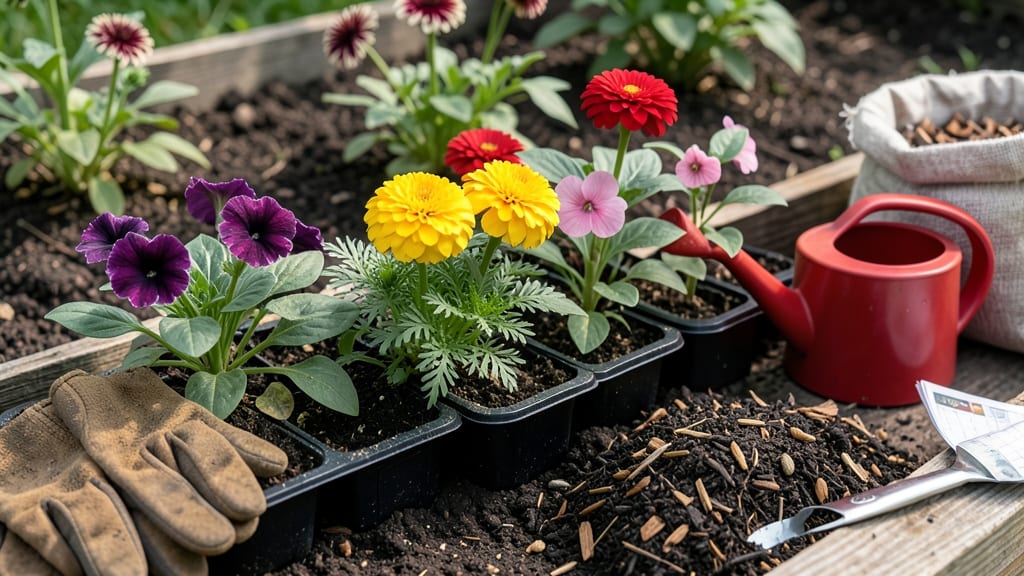
When to plant annuals in Pennsylvania means the difference between vibrant blooms all summer and a sad, frost-killed garden. With Zones 6-7 throwing unpredictable last-frost dates, knowing exactly when to plant your 🌱 marigolds, petunias, and zinnias is the key to success.
Most gardeners here wait until after Mother’s Day, but that’s not always foolproof—especially when Philadelphia’s average last frost arrives April 15 while Pittsburgh’s lingers until May 1. The trick? Start seeds indoors 6-8 weeks before your expected frost date, then transplant only when soil temps hit 60°F.
You’ll also want to know which annuals thrive in Pennsylvania’s heat and which need a head start. Cool-season varieties like pansies can handle early planting, while heat-lovers like cosmos and zinnias should wait until late May or even June.
Let’s break down the perfect planting schedule so your garden stays ahead of the frost.
Whether you’re a first-time gardener or a seasoned pro, getting this right means fewer replants and more time enjoying your blooms. I’ll walk you through the exact steps—from soil prep to transplanting—to ensure your annuals take root and flourish all season long.
Pennsylvania annual planting calendar: exact dates by hardiness Zone 6-7
Pennsylvania’s Zones 6-7 offer a 140-180 day growing season, but frost dates vary wildly between cities. Philadelphia’s last frost averages April 15, while Pittsburgh’s runs 2-3 weeks later. These differences mean marigolds planted in Philly’s timeline might freeze in Pittsburgh’s suburbs—so timing is everything.
Most frost-sensitive annuals (petunias, impatiens, vinca) need soil temperatures above 60°F to thrive. Test with a soil thermometer—if it’s cooler, wait. Cool-season annuals like pansies and snapdragons can handle earlier plantings, even with light frost.
Here’s your region-specific planting timeline for Zones 6-7, with last-frost averages and ideal windows for 10 must-grow annuals:
| Plant Type | Zone 6 (Pittsburgh/State College) | Zone 7 (Philadelphia/Reading) | Notes |
|---|---|---|---|
| Marigolds | May 1–15 | April 15–May 1 | Direct sow after frost; heat-loving |
| Petunias | May 15–30 | April 20–May 10 | Start indoors 6–8 weeks before |
| Zinnias | May 1–15 | April 15–May 1 | Drought-tolerant; deadhead for blooms |
| Cosmos | May 15–June 1 | April 30–May 15 | Self-seeds; great for late summer |
| Pansies | March 15–April 30 | March 1–April 15 | Cool-season; replant in fall |
| Impatiens | May 15–June 1 | April 20–May 10 | Shade-loving; avoid wet soil |
| Snapdragons | March 15–April 30 | March 1–April 15 | Biennial; sow early |
| Sunflowers | May 1–15 | April 15–May 1 | Direct sow; tall varieties need staking |
| Begonias | May 15–June 1 | April 20–May 10 | Tender; mulch for insulation |
| Vinca | May 1–15 |
How to extend your Pennsylvania annual growing season without risking frostPennsylvania’s unpredictable last frost dates can leave gardeners scrambling to protect tender annuals like marigolds and petunias. But with the right strategies, you can safely extend your planting season by 4-6 weeks—without risking frost damage. The key is combining timing tricks with protective measures tailored to your local microclimate. For example, Pittsburgh’s average last frost is around April 25, while Philadelphia’s is closer to April 15—but these dates can shift by weeks. Instead of waiting for the calendar, use soil thermometers to confirm when temperatures consistently stay above 50°F (10°C) for two weeks straight. This is your true green light for frost-sensitive plants. 5 Proven Ways to Extend Your Annual Growing Season
Timing is everything when it comes to late-summer annuals. For example, cosmos and celosia can be direct-sown as late as June 15 in Zone 6 and June 20 in Zone 7, giving you vibrant blooms through October. These heat-lovers thrive in the dog days of summer when traditional spring annuals would wilt. Just be sure to water deeply 2-3 times per week once temperatures exceed 85°F (29°C). Another game-changer is succession planting. Instead of planting all your marigolds at once, stagger them every 2-3 weeks from late April through early June. This ensures continuous blooms and maximizes your garden’s potential. For instance, plant a batch of petunias on May 1, another on May 15, and a final batch on June 1—this way, you’ll have color from early summer through frost. Don’t overlook the power of mulch. A 3-inch layer of straw or shredded leaves keeps soil temperatures 5-10°F warmer than bare ground, helping roots establish faster. Plus, it suppresses weeds and retains moisture—critical when summer heat arrives. For container gardens, use black plastic mulch, which can raise soil temps by 10°F and speed up germination for late plantings. Finally, monitor your local microclimates. A south-facing slope warms up 2-3 hours earlier than a north-facing bed, while urban areas can be 5-10°F warmer than rural spots. Use these natural advantages to plant frost-sensitive annuals 1-2 weeks earlier in hotter microclimates. Just keep a frost cloth handy for unexpected late frosts—better safe than sorry! 🌱 |