
Plants
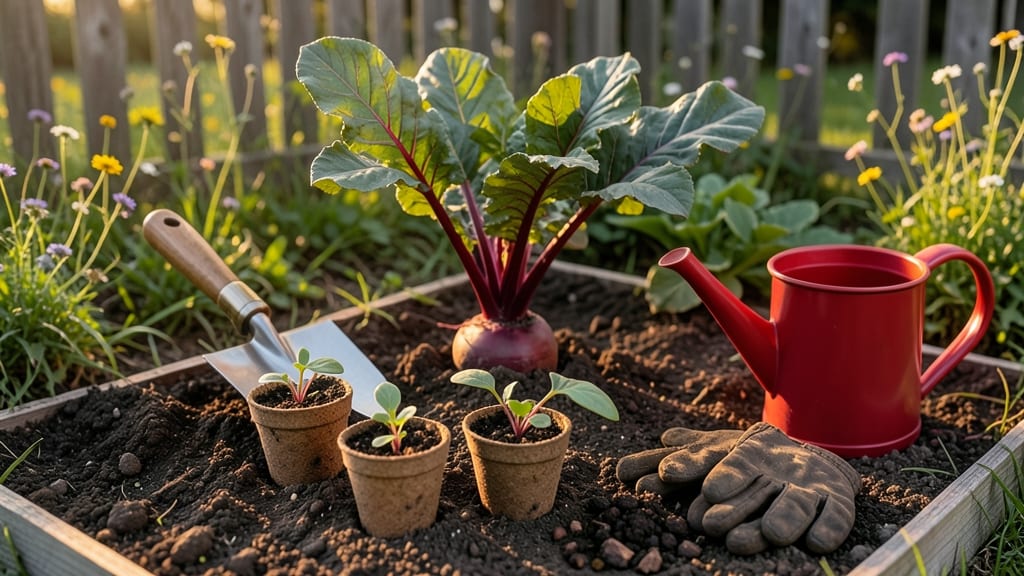
Timing your beet planting in Arizona isn't just about picking a month—it's about beating the brutal summer heat and making the most of those crisp winter days when 🍠 thrive.
With temperatures soaring above 100°F for months, planting at the wrong time means wilted greens and tough roots instead of the sweet, tender harvests you crave.
Here's the secret: Arizona's two perfect windows—fall through early spring—offer the ideal balance of cool weather and consistent moisture. Whether you're a first-time gardener or a seasoned desert grower, these months give your beets the best shot at success without the stress of bolting or stunted growth.
Let me show you exactly when to plant, how to prep your soil for Arizona's unique climate, and the simple tricks to keep your beets happy through our unpredictable monsoon season.
By the end, you'll know not just when to plant, but how to set yourself up for a bumper crop every time.
No more guessing games—just a straightforward schedule that works with Arizona's quirks, not against them. Your future harvests (and your dinner table) will thank you!
Best planting windows for beets in Arizona’s climate zones
Arizona’s diverse climate zones—from the sweltering low desert of Phoenix to the cooler high desert of Prescott—create unique opportunities for growing beets. Unlike many vegetables, beets thrive in cool-season conditions, making fall and winter the ideal planting windows.
But timing isn’t one-size-fits-all: elevation, frost dates, and heat intensity all play a role in determining when to sow your seeds.
In the low desert (USDA Zone 9b-10a), where temperatures can soar above 100°F in summer, beets are best planted from mid-October to mid-March. This avoids the brutal heat that causes them to bolt prematurely or develop woody roots.
Meanwhile, in mid-elevation areas (Zone 7b-8a, like Flagstaff), gardeners can extend the season slightly, planting as early as mid-September and continuing through April. The high desert (Zone 6b-7a, Prescott) offers even more flexibility, with a longer growing window from early September to late April.
Here’s the key: beets hate heat. When soil temperatures exceed 80°F, they’ll bolt (flower prematurely) or produce bitter, tough roots. That’s why fall planting is your best bet—cooler nights and shorter days create perfect conditions for sweet, tender harvests.
But don’t overlook spring plantings either! With proper shade and watering, you can coax a second crop in late winter or early spring before the heat ramps up.
| Climate Zone | Best Planting Window | Key Considerations | Soil Prep Tip |
|---|---|---|---|
| Low Desert (Phoenix/Tucson) | Mid-October – Mid-March | Avoid summer heat; use shade cloth if extending into spring | Amend with compost and vermiculite for drainage |
| Mid-Elevation (Flagstaff) | Mid-September – April | Cooler temps allow earlier starts; watch for late frosts | Add organic matter to retain moisture in dry air |
| High Desert (Prescott) | Early September – Late April | Longer growing season; mulch heavily to protect from cold snaps | Test soil pH (6.0–7.0) and adjust with lime if needed |
For succession planting, aim to sow new seeds every 2–3 weeks during your zone’s ideal window. This ensures a continuous harvest and reduces the risk of bolting from heat stress.
For example, in Phoenix, plant your first batch in mid-October, then follow up with seeds in late October, November, and January to stagger maturity. In cooler areas like Prescott, you can even squeeze in a late-summer planting in August if you use shade cloth and frequent watering.
One common mistake is planting too early in September in the low desert. While the air may feel mild, soil can still retain heat from the day, tricking beets into bolting.
To test soil temperature, use a soil thermometer—ideal temps for planting are between 50–75°F. If your soil runs hotter, wait until late September or October to sow.
Pro tip: Use row covers or lightweight shade cloth (30–50%) to extend your growing season into early spring. This creates a microclimate that keeps soil cooler and reduces evaporation. Just remove the cover during harvest time to avoid stressing the plants.
In my own garden, I’ve successfully grown beets through March in Phoenix using this method, harvesting sweet roots just as summer heat begins to build.
Finally, don’t forget about fall frosts. While beets are cold-hardy down to 20°F, a sudden freeze can cause bolting or bitter flavor. In the low desert, this is rare, but in higher elevations, plan to harvest before December’s first frost.
If you’re in Zone 7a or higher, consider planting a fast-maturing variety like ‘Babybeat’ to ensure you beat the cold.
Timing your beet plantings in Arizona isn’t just about avoiding heat—it’s about working with the desert’s quirks. By aligning your schedule with your local climate zone and using a few smart tricks, you’ll enjoy crisp, homegrown beets from fall through spring. 🌱
Best planting windows for beets in Arizona’s climate zones
Arizona’s diverse climate zones—from the scorching low desert of Phoenix to the cooler high desert of Prescott—create unique challenges for beet growers. The key to success? Planting during the coolest months when temperatures stay below 80°F to prevent bolting (when beets flower prematurely and become woody).
In the low desert (Zones 9b-10a), aim for October through March, while mid-elevation (Zones 7b-8a) can extend planting into late April. High desert areas like Prescott (Zone 6b) enjoy a longer growing window, allowing early September to May plantings.
Beets thrive in Arizona’s fall and winter seasons when daytime highs hover between 60°F and 75°F. This aligns perfectly with the monsoon season’s end (September) and the coolest winter months (December-February), when soil stays consistently moist.
However, spring plantings (March-April) require extra care—shade cloth and afternoon shade become essential to protect young seedlings from sudden heat spikes after 100°F days.
🌱
| Zone | Best Planting Months | Key Tips | Avoid |
|---|---|---|---|
| Low Desert (Phoenix/Tucson) | October–March | Use shade cloth in spring; mulch heavily | April–September (extreme heat) |
| Mid-Elevation (Flagstaff) | September–May | Lighter mulch; frost protection in winter | June–August (dormant period) |
| High Desert (Prescott) | Early September–May | Succession plant every 2 weeks | July (bolting risk) |
For succession planting, sow new seeds every 2–3 weeks from October through February in the low desert. This ensures a continuous harvest without gaps. In cooler zones like Prescott, you can even plant early September for a fall harvest before winter sets in.
The trick? Start seeds indoors 4–6 weeks before your target outdoor planting date to give them a head start in Arizona’s unpredictable climate.
Soil preparation is critical—amend your beds with compost or aged manure to improve drainage, and test your soil’s pH (beets prefer 6.0–7.0). In the low desert, raise beds to prevent heat from baking the soil, and consider black plastic mulch to warm the soil in early spring plantings.
High desert gardeners should focus on cold protection, like row covers, to shield young plants from unexpected frost.
Timing your plantings isn’t just about months—it’s about microclimates. A north-facing bed stays cooler than a south-facing one, while containers dry out faster. By aligning your planting schedule with Arizona’s cool-season windows and adjusting for your specific zone, you’ll unlock crisp, sweet beets even in the desert’s harshest conditions.
☀️