
Plants
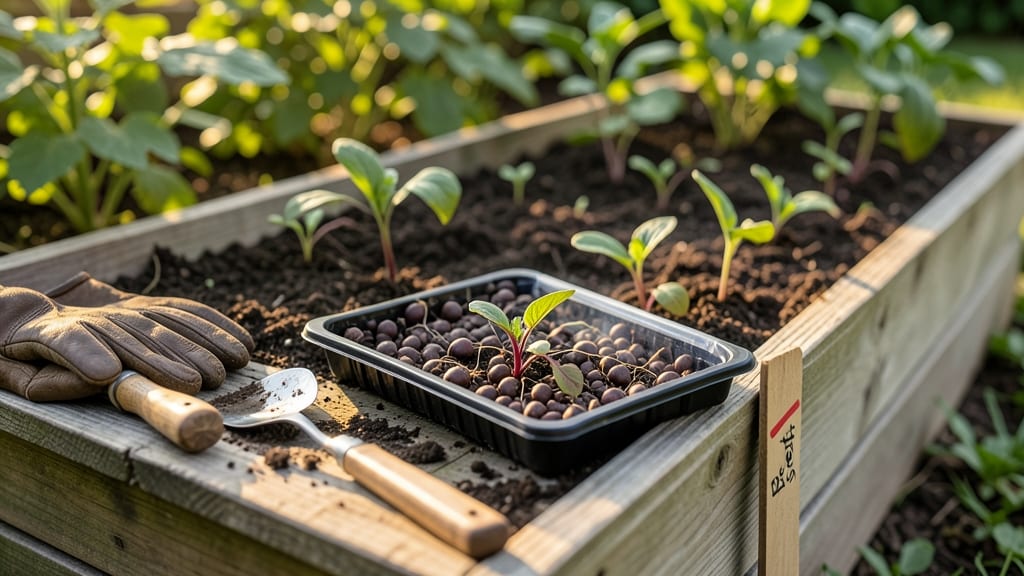
Planting beets in South Carolina at the wrong time can mean the difference between a fast, sweet harvest and a bitter disappointment—especially when humidity and heat play tricks on germination. The key isn’t just knowing when to plant, but understanding how soil temperatures in zones 7b-9a dictate your success.
Most gardeners in SC rush to plant 🥕 as soon as the ground thaws, but that’s a recipe for slow starts or bolted greens. The secret? Waiting until soil hits 40°F in spring (or 85°F max in fall) ensures quick sprouts and robust roots.
I’ll show you exactly how to time it right—no more guessing games.
Why does this matter? Because beets in SC’s climate are either fast-growing gems or frustratingly sluggish, depending on when you drop those seeds. Coastal areas and Piedmont regions have different sweet spots, and I’ll break down the nuances so you avoid common pitfalls like overwatering or heat stress.
Ready to grow beets that thrive, not struggle? Let’s dive into the soil temp secrets that’ll have you harvesting juicy roots in 55 days—not months later. Your garden (and taste buds) will thank you.
Best planting windows for beets in South Carolina by month
South Carolina’s mild winters and hot summers create unique challenges for growing beets. Unlike northern states, you can plant beets in both fall and spring, but timing must align with soil temperatures and regional frost risks.
Coastal areas like Charleston have longer frost-free seasons, while the Piedmont (e.g., Columbia) experiences earlier frosts. The key is planting when soil temps stay between 40°F and 85°F—too cold delays germination, and too hot causes bolting.
Beets thrive in cool to moderate temperatures, making early spring and late summer the sweet spots. In SC, your last frost date typically falls in mid-March (Piedmont) to early April (coastal), while first frost arrives in mid-November.
Plan your plantings to avoid these extremes. For example, Detroit Dark Red beets can handle cooler temps better than Golden varieties, which bolt faster in heat.
Here’s your SC-specific planting calendar, broken down by month with soil temp thresholds and regional adjustments:
Spring plantings in February–March yield the sweetest beets, thanks to cooler temps and longer daylight. For coastal SC, you can even squeeze in a January planting if you use row covers to protect seedlings.
In the Piedmont, wait until soil warms to 55°F—test with a soil thermometer—to avoid slow germination. My rule of thumb? If your hands feel chilly digging, the soil’s too cold for beets.
Fall plantings in August–September are your second chance, but heat stress is a real threat. Opt for shade-tolerant varieties like ‘Babybeat’ or use 30% shade cloth to keep soil temps below 85°F.
In Upstate SC, September plantings often produce larger roots before frost hits. Pro tip: Mulch heavily with straw to retain moisture and cool the soil during summer’s peak heat.
Bolting—when beets send up flower stalks—is your biggest enemy in SC’s heat. If your beets start flowering, they’ll develop woody roots and bitter greens. To prevent this, harvest young (1–2 inches in diameter) or plant heat-tolerant varieties
Best planting windows for beets in South Carolina by month
South Carolina’s USDA zones 7b-9a create two prime windows for planting beets: early spring (February-March) and late summer (August-September). The key is matching seed sowing with soil temperatures between 40°F and 85°F—any hotter, and germination slows dramatically.
Coastal areas like Charleston can plant 2 weeks earlier than Piedmont regions due to milder winters.
In spring, aim for February 15–March 15 when soil warms to 45°F. This timing lets you harvest before summer heat stress sets in. For fall, August 1–September 15 works best—seeds sown after September risk bolting before frost.
Remember: beets hate heat waves over 85°F, so time your fall crop to finish by October 31.
| Season | Ideal Planting Window | Soil Temp | SC-Specific Notes |
|---|---|---|---|
| Spring | Feb 15–Mar 15 | 45–65°F | Coastal: 2 weeks earlier; Piedmont: wait for last frost |
| Fall | Aug 1–Sep 15 | 70–85°F | Avoid planting after Sep 20; risk of bolting increases |
| Winter | Not Recommended | N/A | Cold soil (<40°F) causes slow germination; use row covers instead |
For coastal SC (zones 8a-9a), you can push spring planting to January 20 if you use row covers to protect seedlings. In the Piedmont (zones 7b-8a), wait until March 1 to avoid frost damage.
Always check your local frost dates—Charleston’s last frost averages February 15, while Greenville’s lingers until March 10.
Pro tip: Use a soil thermometer to verify temps before planting. Beets need consistent moisture, so mulch with straw after sowing to retain soil warmth and prevent crusting. In summer heat, shade cloth (30%) can extend your fall window by 2-3 weeks.
Timing your beets right means avoiding two SC-specific pitfalls: bolting from heat stress and slow germination from cold, wet soil. By following these windows, you’ll harvest sweet, tender roots in 55-65 days—not months later. The secret? Patience with soil temps, not rushing the calendar.