
Plants
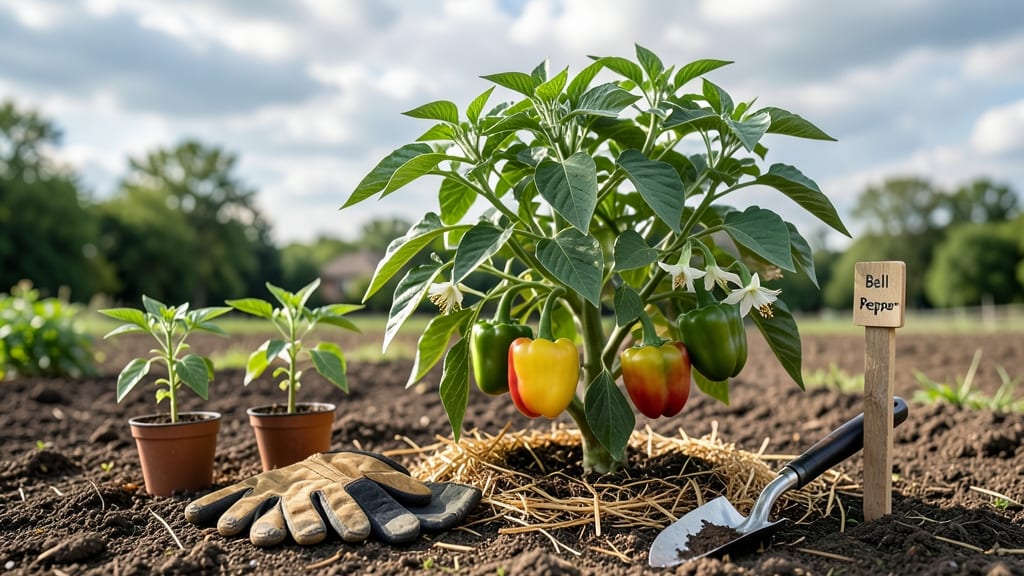
Planting bell peppers 🌶️ in Ohio isn’t just about waiting for spring—it’s about catching that narrow window between frost and scorching heat where your plants actually thrive. Get the timing wrong, and you’ll either lose seedlings to late frosts or watch your peppers bolt before they ripen.
For Ohio gardeners in Zone 6a, the sweet spot starts after your last frost—typically by late April to early May—but soil temperature is the real game-changer. Your peppers won’t germinate properly until the ground warms to at least 60°F, and transplanting too soon can stunt their growth.
I’ve learned the hard way that rushing the process means weaker plants and fewer harvests. The key is balancing your local frost dates with soil warmth, and I’ll show you exactly how to time it right—whether you’re starting seeds indoors or setting them directly in the garden.
With the right strategy, you can stretch your growing season from July to October, maximizing your yield before Ohio’s first frost. Let’s break down the exact steps to avoid common mistakes and get your bell peppers thriving all summer long.
Ohio bell pepper planting calendar by hardiness Zone (soil temp & frost dates)
Ohio's diverse climate—spanning USDA Zones 5a through 6b—means your bell pepper planting strategy should match your exact location.
In colder northern zones like Zone 5a, you'll need to start seeds indoors 8-10 weeks before last frost, while gardeners in Zone 6b can transplant outdoors as early as late April.
The key? Soil temperature must reach at least 60°F for seeds to germinate, and 70°F+ for healthy growth.
Bell peppers are warm-season crops that despise cold snaps, so timing your plantings around Ohio's average last frost dates (April 15 in the north to May 1 in the south) is critical.
Transplanting too early risks frost damage, while waiting too long may cut your harvest short before fall frosts arrive. Let's break down the optimal planting windows by zone to ensure your peppers thrive from seed to harvest.
🌶️ Pro Tip: Use a soil thermometer to confirm warmth before planting—cold soil delays germination and stunts growth.
For Zone 5a gardeners, the earliest safe transplant date is typically May 15, but always check your local Almanac frost predictions—Ohio's weather can shift unpredictably. If you're direct sowing seeds, wait until June 1 in colder zones to avoid seed rot from lingering chill.
In Zone 6b, you can push the envelope slightly: transplant as early as April 15 if you use black plastic mulch to warm the soil faster. This trick works wonders for extending the season in Ohio's southern regions, where summers are longer.
Just be prepared to cover young plants with frost cloth if late frosts sneak in.
🌱 Zone-Specific Hack: In Zone 5b-6a, plant fast-maturing varieties (like 'Early Cal Wonder') for earlier harvests, or opt for longer-season types (like 'Carmen') if you're in Zone 6b and want to harvest into October.
Ohio's first frost typically arrives between October 10 and October 20, so plan your last transplant no later than July 15 in northern zones. In southern Ohio, you can stretch this to August 1—but only if you're using season-extending tools like row covers or cold frames.
💡 Indoor Start Tip: If you're starting seeds indoors (recommended for Zone 5a), begin 8-10 weeks before last frostgrow lights to provide 14-16 hours of light daily until seedlings are 3-4 inches tall and have 2-3 true leaves—then harden them off for 7-10 days before transplanting.
Remember: Bell peppers are heat lovers, and Ohio's summers can be unpredictable. If your plants bolt (send up flowers too early) due to heat stressbitter peppers. To prevent this, mulch heavily to keep roots cool and water consistently—never let the soil dry out completely.
☀️ Sunlight Reminder: Bell peppers need 6-8 hours of direct sun daily. In Ohio's shadier gardens, choose dwarf varieties or use reflective mulch to boost light exposure.
5 Critical mistakes Ohio gardeners make with bell pepper timing (and how to avoid them)
Ohio's unpredictable spring weather can turn even the most eager gardener's plans upside down when it comes to bell peppers. I've seen first-time gardeners rush to plant too early, only to watch their seedlings wilt from a surprise frost.
The key is understanding soil temperature and transplant deadlines—not just calendar dates.
One common mistake is planting seeds directly in the ground before the soil warms to 60°F or higher. Bell peppers are heat-loving plants that won't germinate well in cold soil.
I once planted mine in early April, thinking the air was warm enough—only to have them rot in the damp, chilly earth. Always use a soil thermometer to check before planting.
Another frequent error is ignoring the transplant window. If you start seeds indoors, they need to be transplanted outdoors before they get too large. Overgrown seedlings struggle to adjust to outdoor conditions and often bolt or produce fewer peppers.
For Ohio, that means getting them in the ground by mid-May at the latest in most zones.
Here’s the biggest mistake I see: assuming all bell pepper varieties have the same timing needs. Hot pepper varieties can tolerate slightly cooler conditions, while sweet bell peppers need consistent warmth. Always check the days to maturity on your seed packet and adjust your planting schedule accordingly.
Ohio gardeners also often underestimate frost risk in late spring. Even after the average last frost date, a late cold snap can damage young plants. I recommend using row covers or black plastic mulch to protect seedlings until they’re at least 6 inches tall and well-established.
Finally, many gardeners forget to harden off seedlings properly before transplanting. This gradual acclimation process (7-10 days of increasing sun exposure) helps prevent shock. Skipping this step can lead to wilting, stunted growth, or even plant death.
🚨 Avoid These Timing Mistakes
- Planting too early: Wait for soil to reach 60°F+ (use a thermometer!)
- Ignoring transplant deadlines: Get seedlings in by mid-May for best results
- Mixing variety needs: Hot peppers tolerate cooler soil better than sweet varieties
- Skipping hardening off: Always acclimate seedlings for 7-10 days before transplanting
- Underprotecting from frost: Use row covers until plants are established
To avoid these pitfalls, I recommend creating a personalized planting checklist based on your Ohio zone. Start by marking your average last frost date, then count backward using the days to maturity for your pepper variety. This gives you the perfect window for both seed starting and transplanting.
Remember, bell peppers are warm-season crops that thrive on consistency. Give them the right timing, and you’ll be rewarded with vibrant, productive plants all season long—no sad wilted disappointments here! 🌶️