
Plants
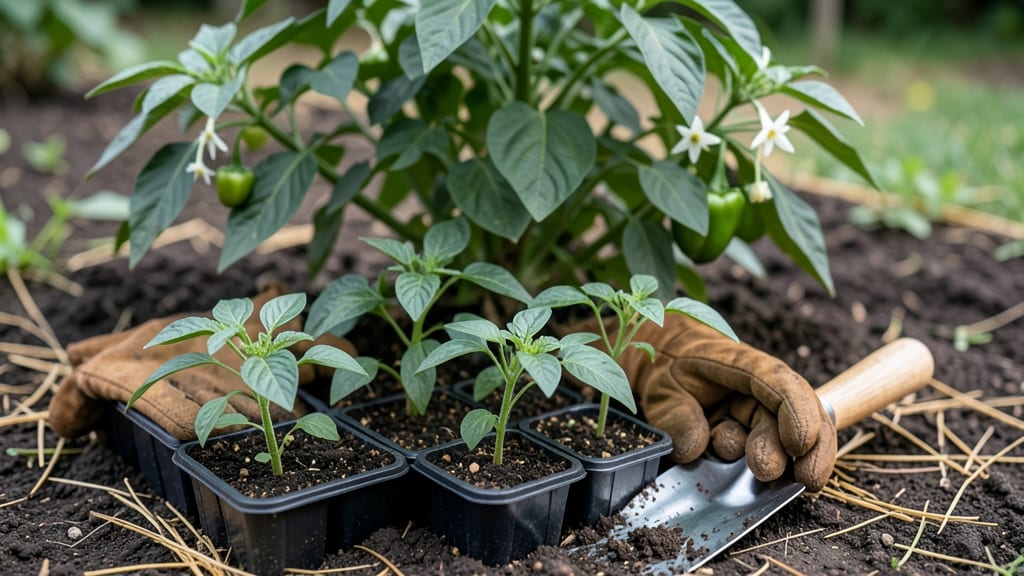
Planting your 🌶️ bell peppers in Virginia at the wrong time could mean wilted seedlings or a harvest that never comes. The key to success isn't just guessing—it's knowing when your soil warms up and frost risk drops below 10%, so you can avoid those costly mistakes.
Virginia’s climate varies wildly from the Tidewater coast to the Shenandoah Valley, and even a single week too early can spell disaster for your peppers. That’s why I’ve broken down the exact planting windows for your region, including soil temperature tricks that most gardeners miss.
Whether you’re starting seeds indoors or transplanting young plants, timing is everything. You’ll learn how to use a simple soil thermometer to check for the 60°F minimum, plus when to adjust for high tunnels or urban heat islands that can give you an edge.
By the end, you’ll have a clear checklist to plant with confidence—so you can enjoy fresh, homegrown bell peppers from July through October without the stress. Let’s get those peppers in the ground the right way!
Virginia bell pepper planting dates by region: frost risk & soil warmth guide
Virginia’s diverse climate zones mean your bell pepper planting timeline should match your specific region—not just the state average. From the coastal Tidewater to the mountainous Shenandoah Valley, soil warmth and frost risk vary dramatically.
Let’s break down the optimal planting windows for each zone, so you can avoid frost damage and maximize your harvest potential.
Most Virginia gardeners can start transplanting bell peppers outdoors between mid-April and early June, but your exact dates depend on three critical factors: last frost date, soil temperature (not air temp!), and your local microclimate.
For example, Richmond’s Piedmont region typically waits until April 25, while the Southwest (Blacksburg) can plant as early as April 10.
🚨 NON-NEGOTIABLE RULE: Never plant until soil reaches 60°F+ at 2 inches deep. Cold soil = stunted growth or death. Use a soil thermometer (not a weather app!) to check. Below is your region-by-region planting guide, including last frost averages, ideal transplant windows, and soil warmth targets.
| Region | Last Frost Date | Soil Temp Threshold | Transplant Window | Notes |
|---|---|---|---|---|
| Tidewater (Norfolk, Virginia Beach) | March 15 | 60°F+ | April 1 – May 1 | Coastal warmth allows earlier starts; use row covers for extra protection. |
| Piedmont (Richmond, Charlottesville) | April 15 | 60°F+ | April 25 – May 10 | Moderate risk of late frost; wait for consistent 60°F soil. |
| Blue Ridge (Roanoke, Lynchburg) | April 20 | 60°F+ | May 1 – May 15 | Higher elevation = cooler soil; consider high tunnels for earlier starts. |
| Shenandoah Valley (Staunton, Harrisonburg) | April 25 | 60°F+ | May 10 – May 20 | Valley floors warm faster; plant early varieties first. |
| Southwest (Blacksburg, Abingdon) | April 10 | 60°F+ | April 15 – May 5 | Mountain microclimates vary; test multiple spots for soil temp. |
Pro tip: If you’re in a transition zone (like the Northern Neck), err on the side of caution. Plant late varieties (like ‘Carmen’ or ‘Aristotle’) in mid-May to avoid early blight from lingering moisture.
For early harvests, start seeds indoors in February and use grow lights to harden off seedlings by early April.
🌱 Microclimate hack: Urban gardens (like Arlington) often warm up faster than rural areas. Place a soil thermometer near your planting spot for 3–5 days to confirm readiness. Pavement and buildings can create 5–10°F warmer pockets—perfect for earlier planting.
For late-season varieties (like ‘Jupiter’), you can push the envelope and plant as late as June 15 in most regions. These peppers tolerate cooler temps better and may still produce a small harvest before frost.
Just be prepared to extend the season with row covers or a mini greenhouse.
💡 Frost risk tool: Check the NOAA Frost Probability Calculator (link below) for your exact location. Input your zip code and select “10% frost risk” as your threshold—this gives you a 90% chance of frost-free conditions. Bookmark this for future reference!
Once you’ve locked in your
How to use a soil thermometer & frost risk calculator for precision planting
Bell peppers are warm-weather lovers, and planting them too early—even if air temps feel mild—can spell disaster. Soil temperature (not air temperature) determines whether your seeds will germinate or your transplants will thrive.
In Virginia, soil often stays below 60°F until mid-April, even when daytime highs reach the 70s. That’s why I always check soil warmth before planting.
Start by testing your garden bed’s soil temperature at a depth of 2 inches—this mimics where seeds or roots will be. Use a soil thermometer (available for under $10) to measure temps daily for a week.
Aim for consistent readings above 60°F for germination and 70°F+ for transplanting. Pro tip: Dark, moist soil warms faster than dry or sandy soil, so adjust your planting timeline accordingly.
🌱
For Virginia-specific frost data, bookmark the NOAA Frost Risk Calculator ([link](https://www.almanac.com/gardening/frostdates)) and plug in your ZIP code. This tool shows the average last frost date for your area, but I always add 2 weeks of buffer for safety.
For example, in Lynchburg (Zone 7b), the calculator might show May 1 as the last frost date, but I wait until May 15 to transplant peppers.
If your soil is still chilly by the recommended transplant window, use black plastic mulch or row covers to warm the soil by 5–10°F.
These tricks let you plant 2–3 weeks earlier without risking frost damage. Just remember to remove covers once peppers flower to prevent heat stress.
🌡️