
Plants
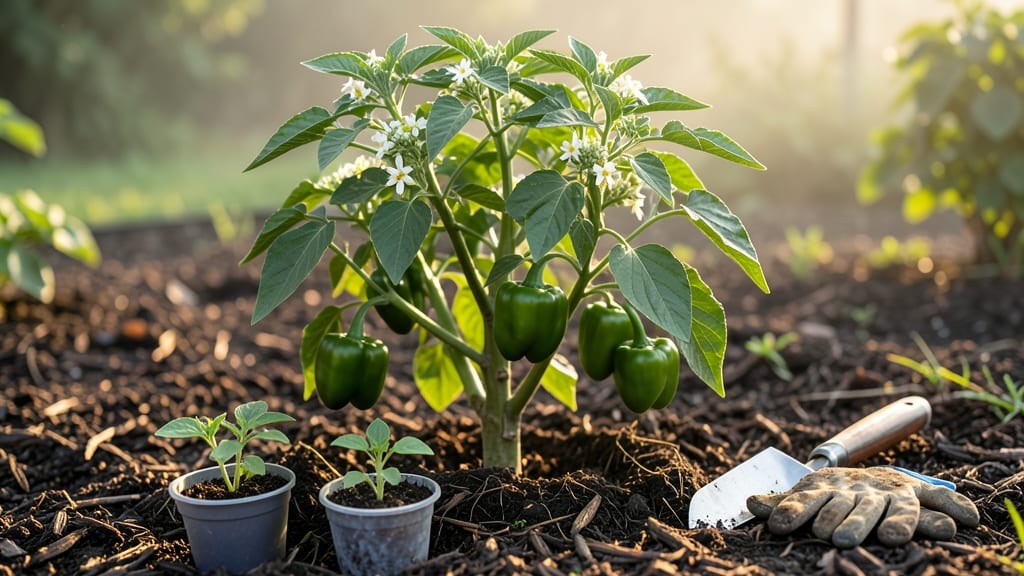
Planting bell peppers 🌶️ in Washington State isn’t just about grabbing seeds and sticking them in the ground—it’s about timing them perfectly to avoid frost and maximize your harvest.
The wrong schedule could mean wilted plants or a short season, while the right approach guarantees plump, flavorful peppers from summer through fall.
With USDA Zones 6 through 8 and microclimates ranging from the Puget Sound’s mild coastal air to Eastern Washington’s colder valleys, there’s no one-size-fits-all answer.
I’ll break down the exact planting windows for each zone, including soil temperature tricks and frost risk factors, so you can start seeds indoors or transplant outdoors at the optimal moment.
Whether you’re a first-time gardener or a seasoned grower, getting this right means fewer failed plants and more homegrown peppers on your table. Let’s dive into the zone-specific schedule that’ll turn your garden into a pepper powerhouse.
From avoiding early frost damage to extending your harvest into autumn, these insights will help you grow like a pro—no guesswork required. Ready to transform your garden?
Washington State bell pepper planting dates by USDA Zone (with frost risk charts)
Washington State spans USDA Zones 6 through 8, but frost dates vary dramatically—from mid-April in Zone 8 (Puget Sound) to late May in Zone 6 (Eastern WA). Bell peppers (Capsicum annuum) need soil temperatures above 55°F (13°C) and at least 70°F (21°C) for germination.
Planting too early risks frost damage, while late planting cuts harvest time. Let’s break down the exact windows for each zone.
For Zone 8 (Western WA), the safest transplant date is mid-May to early June after the last frost. In Zone 7 (Cascades foothills), wait until late May to early June when nighttime temps stay above 50°F (10°C).
Eastern WA’s Zone 6 gardeners should aim for late May to mid-June, using row covers if nights dip below 45°F (7°C).
🌱 Pro Tip: Use a soil thermometer—bell peppers won’t thrive until soil hits 70°F+. In cooler zones, opt for early-maturing varieties like ‘Early Cal Wonder’ (60 days) to maximize harvests before fall frosts.
🌱 Washington Bell Pepper Planting Guide by Zone
| Zone | Last Frost Date | Transplant Window | Soil Temp Threshold | Frost Risk |
|---|---|---|---|---|
| Zone 8 (Puget Sound) | Mid-April | Mid-May to early June | 55°F+ (13°C+) | Low (after May 15) |
| Zone 7 (Cascades) | Late April | Late May to early June | 60°F+ (16°C+) | Moderate (May nights) |
| Zone 6 (Eastern WA) | Late May | Late May to mid-June | 65°F+ (18°C+) | High (May frosts) |
🌡️ Note: High-elevation areas (e.g., Leavenworth) may need 2-3 weeks later than zone averages.
If you’re starting seeds indoors, begin 8-10 weeks before transplanting. Use grow lights to avoid leggy seedlings—bell peppers need 12-14 hours of light daily. Harden off seedlings for 7-10 days before moving them outside, especially in Zone 6, where temperature swings are extreme.
For container gardening, use 5-gallon pots and plant 1-2 weeks later than in-ground plants, as containers warm up faster. Place pots in south-facing spots and use black plastic mulch to raise soil temps by 5-10°F.
This is a game-changer in Zone 6, where slow soil warming delays planting.
🌿 Warning: Avoid planting bell peppers in low-lying areas where cold air pools. These spots can have late spring frosts even after surrounding zones have warmed. Elevate beds or choose sloped sites for better airflow and warmth.
To maximize yields, pair bell peppers with basil or marigolds—they deter pests like aphids and spider mites. In Zone 8, you can even squeeze in a fall crop by planting heat-tolerant varieties like ‘Jupiter’ in early August, using row covers to protect from early frosts.
📅 Key Deadlines:
- Zone 8: Last transplant by June 15 for summer harvests.
- Zone 7: Last transplant by June 20 to avoid stunted growth.
- Zone 6: Last transplant by July 1 for any harvest before frost.
How to extend your bell pepper growing season in washington’s short summers
Washington’s short growing season and cool nights can cut bell pepper harvests short—but with the right strategies, you can push peppers into late fall. The key is protecting plants from early frosts (typically arriving by mid-October in most zones) while maximizing warmth and sunlight.
Start by choosing heat-tolerant varieties like ‘Carmen’ or ‘Jupiter,’ which thrive in 70-85°F soil and handle 50°F nighttime temps better than standard types. These varieties can extend your harvest by 4-6 weeks compared to sensitive heirlooms.
Here’s how to make it work:
For container gardeners, move pots to a sunniest spot (like a south-facing patio) by late July. Use 5-gallon pots with heat-retaining fabric wrapped around the base to extend warmth into evenings.
Monitor your local frost forecast (available via NOAA or AgWeatherNet) and act by September 15th to protect mature plants. With these tactics, you’ll harvest peppers well into October—just in time for homemade salsa or roasted dishes!
🌱