
Plants
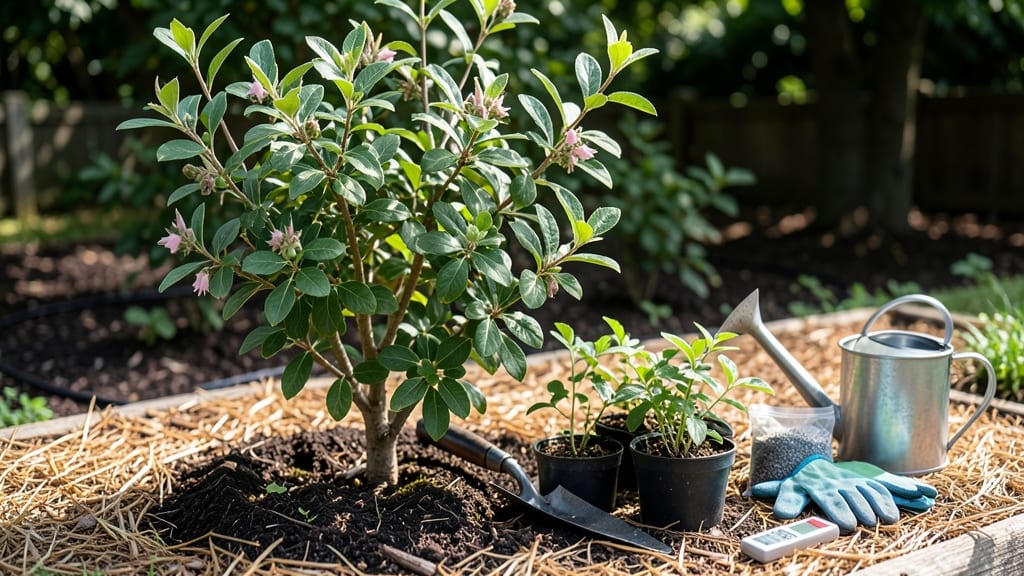
Planting blueberries at the wrong time in Indiana can mean the difference between a thriving 🫐 bush and one that struggles to survive. With the state's 5b-6b climate, timing isn't just important—it's critical for those juicy harvests you dream about.
Most gardeners assume spring is the only option, but fall planting actually gives blueberries a head start. The key is understanding when the soil warms up enough to support root growth without risking frost damage. I'll walk you through the exact windows that work best in Indiana.
You'll discover why late April to early May is ideal for spring planting, but also how fall planting (August through October) can give your bushes an edge. We'll cover soil prep, frost protection, and whether container planting might be better for your specific microclimate.
Whether you're a first-time grower or a seasoned gardener, these insights will help you avoid common mistakes and set your blueberries up for success. Let's get those bushes in the ground at the perfect time!
Best months to plant blueberries in Indiana: climate zones explained
Indiana’s USDA hardiness zones 5b-6b create a unique challenge for blueberry growers. Unlike tropical plants, blueberries thrive in cooler climates but need precise timing to avoid frost damage or heat stress.
The ideal planting window depends on whether you choose spring or fall—both work in Indiana, but each has distinct advantages.
Most Indiana gardeners succeed with fall planting (September-October) because cooler soil temperatures reduce transplant shock. However, spring planting (late April-early May) is also viable if you wait until after the last frost date (typically April 15).
The key is preparing your soil and plants 4-6 weeks before planting to give roots time to establish before winter or summer heat arrives.
Here’s how Indiana’s climate zones break down for blueberry planting:
| Climate Zone | Best Planting Window | Soil Temp Requirement | Key Consideration |
|---|---|---|---|
| 5b (Northern IN) | Late April - Early May (spring) or September (fall) | 45-55°F (7-13°C) | Longer frost-free season; protect from late spring frosts |
| 6a (Central IN) | Late April - Early May or August-September | 50-60°F (10-16°C) | Warmer microclimates; fall planting preferred |
| 6b (Southern IN) | April-May or August-October | 55-65°F (13-18°C) | Longer growing season; fall planting extends root growth |
For northern Indiana (Zone 5b), spring planting is riskier due to late frosts, but fall planting gives roots 6-8 weeks to establish before winter. In southern Indiana (Zone 6b), you have more flexibility—fall planting can extend into early October, while spring planting can start as early as April.
Regardless of season, soil temperature is critical. Blueberries need soil between 45-65°F (7-18°C) to thrive. Use a soil thermometer to check before planting. If soil is too cold (<45°F), roots won’t establish properly, leading to stunted growth or death.
Another Indiana-specific factor is rainfall timing. Spring planting benefits from Indiana’s wetter spring months, while fall planting requires consistent moisture to prevent drought stress before winter. Mulching with pine needles or wood chips helps retain moisture and acidify the soil naturally.
Pro tip: If you’re unsure about your zone, check the Indiana State Climate Office or use the USDA Plant Hardiness Zone Map. Most of Indiana falls into Zones 5b-6b, but microclimates (like urban heat islands) can shift your zone by half a zone.
For container growers, timing is even more critical. Potted blueberries need earlier planting (late March-April) to avoid root-bound conditions by summer. Use large containers (15+ gallons) with drainage holes and acidic potting mix.
Spring vs. fall planting: which works better in Indiana?
Indiana gardeners often debate whether to plant blueberries in spring or fall, and the answer depends on your local microclimate and soil conditions. Both seasons have advantages, but fall planting often gives blueberries a head start because cooler temperatures reduce transplant shock.
I’ve found that fall-planted bushes establish roots before winter dormancy, leading to faster growth in spring.
For spring planting, aim for late April to early May—after the last frost date (typically around April 15 in most of Indiana). This window ensures the soil is warm enough for root growth while avoiding late frosts that can damage tender new shoots.
However, spring planting requires careful monitoring of weather forecasts to avoid surprise cold snaps.
Fall planting, on the other hand, offers a 6-8 week window from August through early October. This gives roots time to establish before winter, but you’ll need to plant early enough so the soil stays workable and roots don’t freeze.
In Indiana’s USDA zones 5b-6b, fall planting is ideal if you can get the bushes in the ground by mid-October.
Spring vs. Fall Planting: Pros and Cons
Spring Planting
- Pros: Avoids winter dormancy stress, longer growing season
- Cons: Risk of late frosts, slower root establishment
Fall Planting
- Pros: Roots establish before winter, less transplant shock
- Cons: Limited time window, soil may freeze prematurely
🌱 Best Choice: Fall planting for most of Indiana (August-October)
Soil temperature is the deciding factor for both seasons. Blueberries thrive when soil temps are between 45°F and 65°F. In spring, wait until the ground warms to at least 50°F before planting.
For fall, ensure the soil stays above 50°F for at least 4-6 weeks after planting to allow root growth.
If you’re unsure which season works best for your area, consider container planting. Containers warm up faster in spring and can be moved to protect from late frosts. They’re also easier to manage in fall, allowing you to control soil temperature and moisture more precisely.
Just ensure your pots have drainage holes and use a well-draining, acidic soil mix.
Regardless of when you plant, always water deeply after planting to settle the soil and encourage root growth. Mulch with pine needles or wood chips to maintain soil acidity and retain moisture. With the right timing and care, your blueberries will thrive whether you plant in spring or fall! 🫐