
Plants
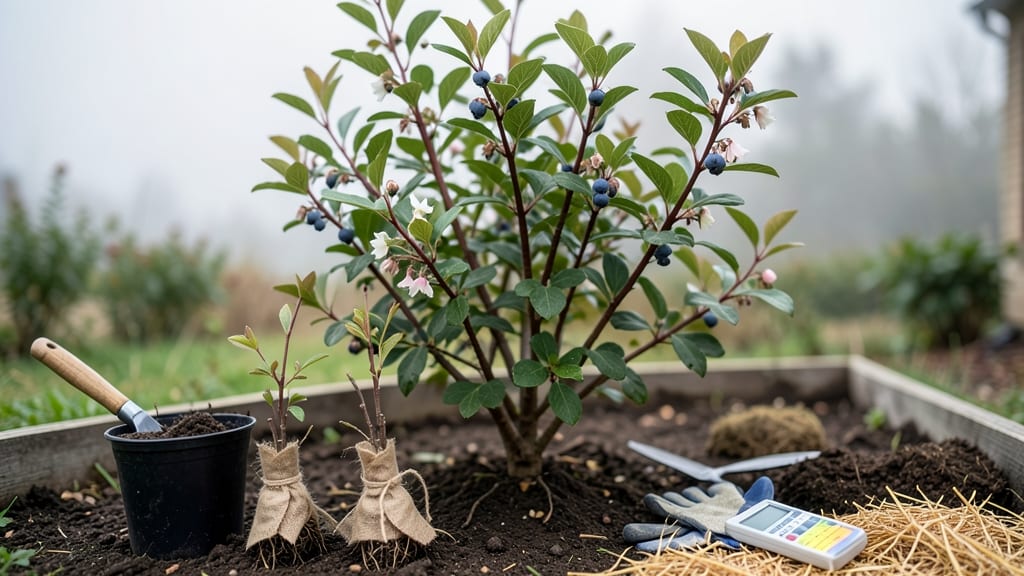
Planting blueberries in Kansas might seem tricky with its unpredictable climate, but getting the timing right means the difference between thriving bushes and wasted saplings.
The best window for planting these 🫐 cold-hardy varieties is between late winter and early spring, when soil temperatures rise just enough to encourage root growth without risking frost damage.
Why does timing matter so much? Blueberries need time to establish strong roots before summer heat sets in, and Kansas’s Zone 5b-7a climate means frost can linger well into March. Planting too early exposes young plants to cold stress, while waiting too long can leave them struggling in summer’s intensity.
In this guide, I’ll break down the exact months to plant—whether you’re working with bare-root saplings or container-grown bushes—and share pro tips to help your blueberries thrive. From soil prep to frost protection, you’ll learn how to set your bushes up for success from day one.
Ready to grow your own Kansas blueberries? Let’s dive into the ideal planting schedule and avoid common mistakes that could derail your harvest before it even begins.
Best planting windows for Kansas blueberries: month-by-month breakdown
Kansas’s Zone 5b-7a climate demands precise timing for blueberry planting—too early risks frost damage, while late planting stresses young roots. The ideal window spans from late winter to early spring, when soil temperatures hover around 40-50°F and frost threats diminish. This period ensures roots establish before summer heat arrives.
For bare-root plants, prioritize March-April when soil is workable but not waterlogged. Container-grown blueberries offer flexibility, allowing February-May planting as long as nighttime temperatures stay above 30°F. Kansas City’s slightly milder microclimate may extend windows by 1-2 weeks compared to western regions like Wichita.
🌱 Key factor: Soil temperature matters more than calendar dates. Use a soil thermometer to confirm 50°F+ at 4" depth before planting. Cold soil slows root growth, increasing transplant shock risks.
| Month | Soil Temp | Planting Window | Frost Risk | Best For |
|---|---|---|---|---|
| February | 35-45°F | Container plants only | High (30% chance) | Early starters (protected sites) |
| March | 40-50°F | Bare-root & containers | Moderate (15% chance) | Primary window (best success) |
| April | 50-60°F | Bare-root & containers | Low (5% chance) | Extended window (if no frost) |
| May | 60-70°F | Container plants only | None | Last resort (stress risk) |
💡 Pro Tip: Check your local USDA frost calendar—Kansas City’s last frost typically occurs March 15, while Wichita may see frost until April 1. Planting after these dates reduces frost damage risks to emerging shoots.
For container planting, May offers a secondary window, but young plants struggle with Kansas’s summer heat waves. Prioritize shade cloth (30-50% coverage) and daily watering to prevent root stress. Bare-root plants planted in May often experience stunted growth due to delayed root establishment.
🌡️ Soil prep tip: Amend planting holes with peat moss or sulfur to lower pH to 4.5-5.5, critical for blueberry health. Kansas’s native soil is often alkaline, so test pH before planting—ignore this step, and you’ll see yellowing leaves and poor fruiting in year one.
Regional microclimates play a huge role. Southeastern Kansas (Zone 6-7) can plant 2 weeks earlier than northwestern areas (Zone 5). Use K-State Extension’s frost maps to pinpoint your exact window—this precision avoids the #1 mistake Kansas gardeners make: planting too late.
✂️ Post-planting care: After planting, mulch with 3-4 inches of pine needles to retain moisture and acidify soil gradually. Water deeply 2-3 times per week for the first month, then taper to weekly deep soakings once established. This routine mimics Kansas’s variable rainfall patterns while preventing drought stress.
Best planting windows for Kansas blueberries: month-by-month breakdown
Kansas gardeners face a tricky balance when planting blueberries—late enough to avoid winter frost, but early enough for roots to establish before summer heat. The ideal window spans February through April, with March being the sweet spot for most regions.
This timing aligns with soil warming and minimizes transplant shock.
In Zone 5b-7a, where Kansas falls, bare-root plants can go in the ground as early as late February if soil isn’t frozen. However, container-grown blueberries are safer to plant in March or early April when nighttime temperatures consistently stay above 40°F (4°C).
Always check your local last frost date—Kansas City averages March 15, while Wichita may be a week later.
| Month | Soil Temp (°F) | Planting Window | Notes |
|---|---|---|---|
| February | 35-45°F | Bare-root only (if soil isn't frozen) | Risk of frost damage; mulch heavily |
| March | 40-50°F | Best time (bare-root or potted) | Soil is workable; low frost risk |
| April | 50-60°F | Safe for all planting types | Ideal for container-grown plants |
| May | 60+°F | Avoid (high transplant shock risk) | Heat stress; roots won’t establish |
For northern Kansas (Zone 5b), aim for March planting to give roots time to harden off before winter. In southern Kansas (Zone 7a), you can stretch planting into early April with minimal risk.
Always test your soil pH—blueberries thrive in acidic soil (4.5-5.5)—and amend with sulfur or peat moss if needed. A soil thermometer helps confirm readiness.
If you miss the spring window, fall planting (September-October) is a backup, but only for container-grown plants. Bare-root blueberries planted in fall rarely survive Kansas winters. After planting, water deeply to settle soil and apply 3 inches of mulch to retain moisture and regulate temperature.
This is especially critical in drought-prone years like 2022, when Kansas saw below-average rainfall.
Pro tip: Use black plastic mulch in early spring to warm soil faster—this can shave 1-2 weeks off your planting timeline. Just remove it once soil reaches 50°F (10°C) to avoid overheating roots.
Pair this with a drip irrigation system to ensure consistent moisture during the critical first 60 days after planting.
Timing isn’t just about the calendar—it’s about microclimates. A south-facing slope in Wichita may warm up faster than a north-facing yard in Topeka. Observe your garden’s unique conditions for 3 years before committing to a planting schedule.
Patience here pays off with healthier bushes and bigger harvests in years 3-5.