
Plants
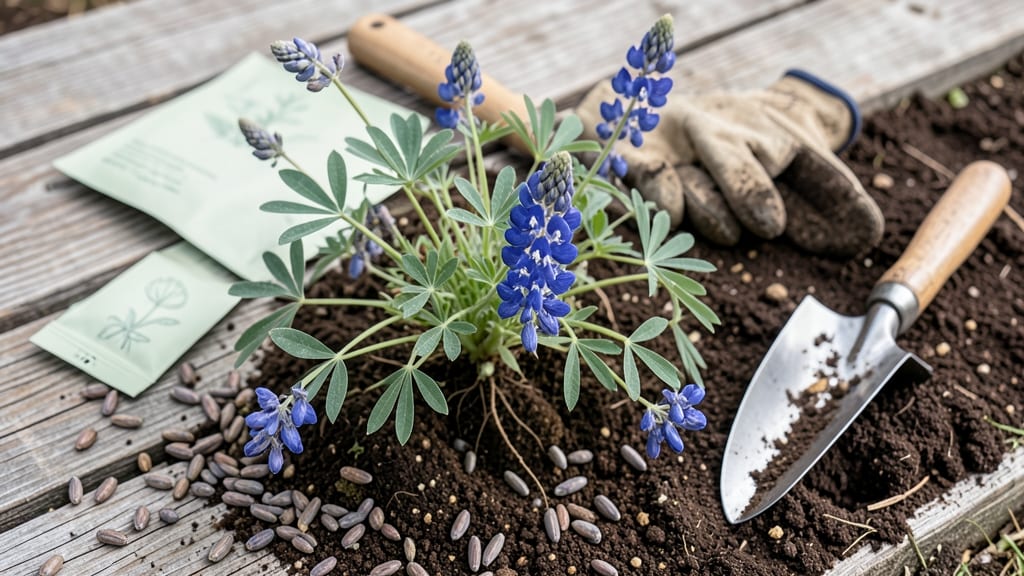
Planting bluebonnet seeds at the wrong time in Austin can mean the difference between a breathtaking purple carpet of 🌸 blooms and a patchy, disappointing display. The key to vibrant spring flowers lies in understanding Austin’s unique climate—where fall planting is the gold standard for success.
Most gardeners in USDA Zone 8a swear by sowing seeds between late September and October, when temperatures are cool and rain is reliable. This timing lets the seeds establish roots before winter’s chill, ensuring they burst into color come March.
But what if you missed that window? We’ll break down whether spring planting is worth a try—and how to give your bluebonnets the best shot at thriving.
Beyond just the calendar, soil conditions and microclimates play a huge role. Austin’s alkaline soil and occasional drought can stress young plants, so preparation is everything.
I’ll share my top tips for prepping your seedbed and creating the ideal conditions, whether you’re planting in a sunny hillside or a backyard patch.
Ready to transform your landscape into a Texas-blue masterpiece? Let’s dive into the exact steps to time your planting perfectly—and keep those blooms coming back year after year.
Optimal bluebonnet planting times in Austin: spring vs fall comparison
Timing is everything when planting bluebonnet seeds in Austin—get it right, and you’ll enjoy vibrant purple blooms carpeting your landscape every spring. Fall planting is the gold standard for Austin’s climate, but spring planting can work with adjustments.
Let’s break down the best windows for each season and how Austin’s unique microclimates play a role in success.
Austin’s USDA Zone 8a climate means we enjoy mild winters and hot summers, but the key to bluebonnet success lies in avoiding extreme heat during germination. Fall planting gives seeds time to establish roots before winter dormancy, while spring planting risks early summer heat stress.
Understanding these differences will help you choose the right approach for your garden.
Here’s a quick comparison of the two planting seasons to help you decide which works best for your Austin garden:
| Factor | Fall Planting (Sept-Oct) | Spring Planting (Feb-Mar) |
|---|---|---|
| Ideal Months | Late September-October | February-March |
| Temperature Range | 60-75°F | 50-65°F |
| Germination Time | 4-6 weeks | 3-4 weeks |
| Bloom Timeline | March-May | May-June |
| Success Rate | 90%+ with proper care | 60-70% (risk of heat stress) |
| Best For | Established gardens, wildflower meadows | Quick results, smaller gardens |
For fall planting, aim for late September through October when daytime temperatures hover between 60-75°F. This window allows seeds to germinate before winter dormancy sets in. Spring planting in February or March can work, but it’s riskier due to Austin’s unpredictable heat waves.
If you choose spring, plant as early as possible to avoid summer stress.
Austin’s microclimates can also affect timing—areas near the Hill Country may experience cooler temperatures later into fall, while urban heat islands might require earlier planting. Always monitor your local weather forecasts and adjust your schedule accordingly. If you’re unsure, err on the side of planting slightly earlier rather than later.
One common mistake is planting too late in fall, which can leave seeds exposed to winter freezes. Bluebonnets are hardy but need time to establish roots before cold snaps. Similarly, spring planting too late can result in weak seedlings struggling to establish before summer heat arrives.
Pay attention to frost dates—Austin’s average last frost is around January 10, so aim to have seeds planted and germinated before then.
If you’re new to bluebonnet gardening, I recommend starting with fall planting for the highest success rate. Once you’ve mastered the timing, you can experiment with spring plantings in smaller sections of your garden.
Just remember, patience is key—bluebonnets take time to establish and may not bloom until their second year.
For those in elevated areas like West Austin or the Texas Hill Country, you might extend your fall planting window into early November. Conversely, low-lying areas like East Austin may need to plant by mid-October to avoid winter risks.
Always tailor your approach to your specific location within the Austin metro area.
Pro tip: Mark your calendar for September 20-October 15 as your ideal fall planting window. This gives seeds enough time to germinate before winter dormancy kicks in. If you miss this window, don’t despair—you can still try spring planting, but be prepared for potentially lower success rates.
Finally, remember that bluebonnets are annuals in most cases, meaning they’ll complete their life cycle and set seed for the next generation. This makes them perfect for naturalizing in meadows or along roadsides, where they can self-seed year after year.
With the right timing, your Austin garden could become a bluebonnet hotspot!
Optimal bluebonnet planting times in Austin: spring vs fall comparison
In Austin’s USDA Zone 8a, timing your bluebonnet seed planting is everything. The fall season (late September to October) is the gold standard because it allows seeds to germinate before winter’s chill.
This gives them a head start for spring blooms that will dazzle your landscape. But what if you missed that window? Let’s compare the two seasons to help you decide.
Fall planting (ideal in September-October) aligns perfectly with Austin’s natural rain cycle. The cool temperatures and moderate moisture create ideal conditions for germination. Seeds sown in this window will establish roots before winter dormancy, ensuring vibrant blooms by March-April. This is why most Austin gardeners swear by it.
Spring planting (ideal in February-March) is riskier but can work if done carefully. The challenge? Austin’s hot summers and drought conditions can stress young seedlings. Spring-sown seeds may struggle to establish before the heat sets in, leading to poor germination rates.
However, if you have a shaded or irrigated spot, it’s worth a try.
🌸 Fall vs Spring Planting: Key Differences
| Factor | Fall Planting (Sep-Oct) | Spring Planting (Feb-Mar) |
|---|---|---|
| Ideal Temperature | 60-70°F | 50-65°F |
| Germination Time | 4-6 weeks | 3-5 weeks |
| Bloom Time | March-April | May-June (delayed) |
| Water Needs | Moderate (natural rain) | High (supplemental water) |
| Success Rate | 90%+ (ideal) | 50-70% (risky) |
Fall planting is recommended for best results in Austin’s climate.
Another critical factor is Austin’s microclimates. Areas near the Hill Country may experience cooler nights, extending the fall planting window into early November. Meanwhile, urban areas like downtown Austin can get warmer sooner, so aim for late September to avoid heat stress.
Always check your local frost dates—Austin’s last frost is typically around January 10, so seeds need to germinate before then.
If you’re planting in spring, focus on February to give seeds time to establish before Austin’s summer heat peaks. Use mulch to retain moisture and protect young seedlings. Remember, bluebonnets are drought-tolerant once established, but they need consistent moisture during germination.
For maximum success, combine spring planting with a shade cloth to protect seedlings from intense afternoon sun.
No matter which season you choose, soil preparation is key. Austin’s alkaline soil can be challenging, so we’ll dive into how to create the perfect seedbed in the next section.
Trust me, a little prep work now will save you headaches later—and guarantee those iconic purple blooms you’re dreaming of. 🌸