
Plants
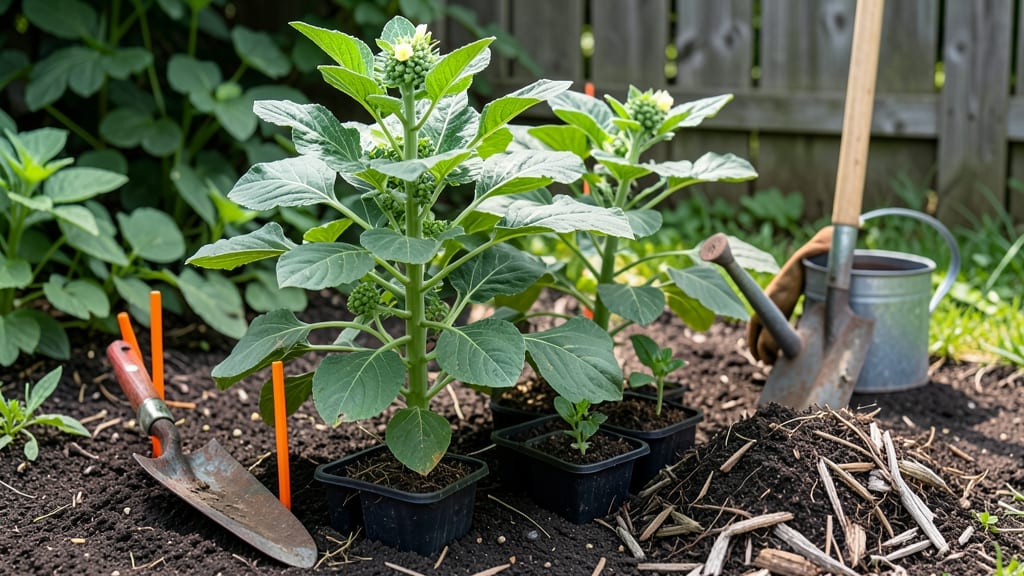
Planting Brussel sprouts 🥦 at the wrong time in Kentucky can turn your garden dreams into a bitter disappointment—literally. With USDA Zones 6a-7a bringing unpredictable frost dates, even experienced gardeners sometimes miss the sweet spot between mid-April and early August planting windows.
Here’s the thing: these cool-weather crops need 90 days of steady growth, but Kentucky’s first frost often sneaks up by November 1. That means timing isn’t just about dates—it’s about understanding how your local microclimate plays tricks on your harvest.
Whether you’re aiming for a fall feast or a winter surprise, getting this right could mean the difference between a garden full of golden, flavor-packed sprouts and one that bolts before maturity.
I’ve learned the hard way that rushing spring plantings or waiting too long in summer can leave you with stunted crops. But don’t worry—this guide breaks down the exact windows, soil prep secrets, and even how to stretch your growing season with simple tricks like row covers.
By the end, you’ll know exactly when to plant Brussel sprouts in Kentucky to turn your garden into a year-round harvest machine.
Let’s dive into the perfect planting schedule so you can enjoy homegrown Brussel sprouts 🥦 that taste like they came straight from a farmstand—without the guesswork.
Optimal planting windows for Kentucky’s USDA Zones 6-7 (with frost-date adjustments)
Kentucky’s USDA Zones 6-7 offer a perfect climate for growing Brussel sprouts, but timing is critical to avoid bitter flavors or premature bolting.
The key is planting 4-6 weeks before your first expected frost—typically by mid-April for spring or late July for fall—to ensure a 90-day maturity window before winter sets in.
In Kentucky, the average last frost date is around April 15, while the first frost usually arrives by November 1. This means you’ve got a 165-day frost-free window—just enough time to grow Brussel sprouts from seed to harvest.
However, late summer heat spikes can stress plants, so fall planting is often more reliable.
For spring planting, aim to sow seeds indoors by late March and transplant outdoors by mid-April. This gives seedlings a head start before Kentucky’s unpredictable late spring frosts. Alternatively, direct-sow outdoors in early April if your soil is workable and frost-free.
Fall planting is trickier but often more productive. Start seeds indoors by late June and transplant outdoors by early August. This timing ensures sprouts mature in cool fall temperatures, which sweetens their flavor. Harvest before hard frosts (below 20°F) to avoid damage.
Kentucky’s microclimates can vary dramatically—mountain regions (like Eastern Kentucky) may experience earlier frosts, while Western Kentucky’s flatter terrain stays warmer longer. Adjust your planting dates by 1-2 weeks based on your local frost history.
Choose cold-hardy varieties like ‘Long Island Improved’ or ‘Ruby Ball’ for Kentucky’s climate. These tolerate light frosts and produce sweeter sprouts. Avoid heat-sensitive varieties like ‘Jade Cross’ for spring planting, as Kentucky’s late May heat can cause bolting.
To extend your growing season, use black plastic mulch in spring to warm soil or row covers in fall to delay frost. These tricks can push your planting windows by 2-3 weeks, giving you more flexibility in Kentucky’s short growing season.
Here’s a quick reference for Kentucky’s planting windows:
| Season | Planting Window | Key Notes |
|---|---|---|
| Spring | Mid-April to early May | Transplant seedlings; avoid late heat |
| Fall | Late July to early August | Start indoors; harvest before frost |
| Extended Spring | Late March (indoors) | Use row covers for early starts |
| Extended Fall | Early September (with covers) | Protect from early frosts |
If you’re unsure about your local frost dates, check the Kentucky Mesonet or your local Cooperative Extension Service for updates. They provide hyper-local frost forecasts that can save your harvest from unexpected cold snaps.
Remember, Brussel sprouts need cool temperatures (50-75°F) to thrive. Planting too late in spring can lead to bolting (premature flowering), while planting too early in fall may result in underdeveloped sprouts before winter. Balance is key!
🌱
How to avoid common mistakes that ruin Brussel sprout harvests in Kentucky gardens
Kentucky gardeners often make critical mistakes that turn sweet Brussel sprouts into bitter, stunted plants. The most common? Planting too late in spring when summer heat arrives, or ignoring soil pH requirements. Even experienced growers overlook proper plant spacing, which leads to poor air circulation and disease.
Let me share the top 3 mistakes I see in Kentucky gardens—and how to fix them before your harvest suffers. The first is planting too late in spring. If you wait until May or June, your sprouts will bolt (flower prematurely) from the late-summer heat that Kentucky often experiences.
The solution? Start seeds indoors in March and transplant by April 15, right after the last frost.
Here’s the visual breakdown of Kentucky-specific pitfalls to avoid:
⚠️ Kentucky-Specific Mistakes & Fixes
Another frequent error is over-fertilizing late in the season. Heavy nitrogen feeds in September can stimulate new growth that won’t mature before the first frost (October 15). Instead, switch to a balanced 10-10-10 fertilizer in early summer and reduce feeding by August.
Finally, many gardeners forget that Brussel sprouts need consistent moisture but hate soggy soil. In Kentucky’s humid climate, overwatering leads to root rot. Water deeply once a week (or more in summer) and always in the morning to prevent fungal spores from spreading overnight.
By avoiding these mistakes, you’ll enjoy sweet, flavorful sprouts from October through December, even in Kentucky’s unpredictable weather. The key is timing, soil prep, and proper spacing—not guesswork.