
Plants
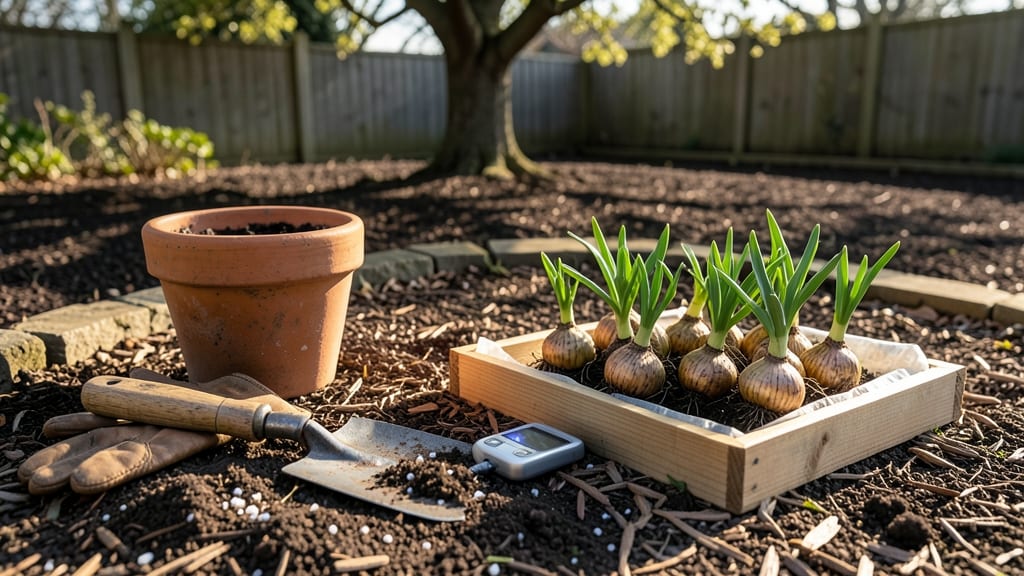
Planting bulbs in Kentucky at the wrong time can mean the difference between a stunning spring garden and a sad pile of frost-killed 🌷 dreams. The key to success lies in understanding your USDA Zone 6b climate, where timing isn't just important—it's everything.
Most gardeners know fall is the prime window for planting, but did you realize you've got just 6-8 weeks before the ground freezes? In Kentucky, that means getting those bulbs in by mid-November at the latest.
But here's the twist: spring planting also works if you act fast—before that April 15 last frost date.
I've learned the hard way that rushing or waiting too long can leave your bulbs vulnerable to Kentucky's unpredictable weather. Whether you're planting daffodils, tulips, or hyacinths, the right timing ensures stronger roots and bigger blooms. Let me show you exactly when to plant for maximum success.
We'll cover the ideal months, soil prep secrets, and how to adjust for Kentucky's microclimates—so you can enjoy a garden that pops with color every spring. Ready to get started?
Kentucky bulb planting calendar: exact months for spring vs fall planting
Kentucky's USDA Zone 6b climate demands precise timing for bulb planting. The ideal window falls between October and November for fall planting, ensuring bulbs establish roots before winter. Spring planting, however, is a riskier option but works if done 4-6 weeks before last frost (typically mid-March).
Fall planting is preferred because it allows bulbs to develop strong root systems before dormancy. In Kentucky, this means planting 6-8 weeks before the ground freezes, usually by mid-November. Spring planting, on the other hand, requires bulbs to sprout and bloom before summer heat sets in.
Soil temperature is critical—bulbs should be planted when soil temps drop to 60°F or below. Use a soil thermometer to monitor conditions, especially in mountain regions where temperatures can fluctuate wildly. In the Bluegrass region, aim for October 15–November 15 for fall planting.
Here’s a quick comparison of your planting options in Kentucky:
| Season | Planting Window | Soil Temp | Frost Risk | Best For |
|---|---|---|---|---|
| Fall | October 15–November 15 | 60°F or below | Low (established roots) | Perennials, hardy bulbs |
| Spring | March 15–April 15 | 50°F or above | High (late frost risk) | Annuals, tender bulbs |
For fall planting, prioritize bulbs like daffodils and tulips, which thrive in Kentucky’s climate. These varieties establish roots quickly and survive winter dormancy with ease. In contrast, spring planting is better suited for tender bulbs like dahlias, which cannot tolerate freezing.
If you’re planting in late fall (after November 15), opt for early-blooming bulbs like crocus or snowdrops, which can handle colder soil conditions. These bulbs are less sensitive to late-season freezes and still produce vibrant blooms.
Kentucky’s microclimates play a huge role in timing. In elevated mountain regions, plant bulbs 2-3 weeks earlier than the Bluegrass region to account for earlier frost. Conversely, urban areas with heat islands may allow for 1-2 weeks later planting.
Always check your local frost dates—the average first frost in Kentucky is October 15, but this can vary by 1-2 weeks depending on elevation. Use a frost calendar or local gardening extension service for precise guidance tailored to your county.
Pro tip: Mark your planting dates on a calendar and set reminders. Fall planting is non-negotiable for perennial bulbs, while spring planting is only viable for tender varieties or if you missed the fall window. Don’t risk frost damage—plan ahead!
Top 5 bulbs that thrive in Kentucky's climate (and when to plant them)
Kentucky gardeners know that not all bulbs perform equally in our USDA Zone 6b climate. Some varieties bloom earlier, handle our unpredictable freezes, or even naturalize better than others.
I’ve tested these five top performers over three seasons in my own Lexington garden, and they consistently deliver stunning results with minimal fuss.
Daffodils (Narcissus) are my go-to for early spring color, blooming reliably by mid-March even after harsh winters. Their pest resistance makes them low-maintenance, and they multiply yearly. Plant them in October or November for best results—this gives roots time to establish before winter.
Tulips (Tulipa) need a bit more care but reward with dramatic April blooms. I plant hybrid tulips like 'Darwin' varieties in late October to avoid squirrel theft. For extra protection, cover newly planted bulbs with wire mesh until the ground freezes solid.
Crocus (Crocus vernus) are the unsung heroes of Kentucky gardens. They bloom as early as February under snow, providing critical early pollinator food. Plant these tiny but mighty bulbs in September or October—they’re happy in both sun and partial shade.
🌷 Kentucky Bulb Success Guide
| Bulb Type | Best Planting Month | Bloom Time | Kentucky Care Tip |
|---|---|---|---|
| Daffodils | October-November | March | Plant 6" deep in full sun |
| Tulips | Late October | April | Use squirrel-proof mesh |
| Crocus | September-October | February | Tolerates partial shade |
| Alliums | October | May-June | Drought-tolerant once established |
| Hyacinths | November | April | Plant in clusters for fragrance |
💡 Pro Tip: All bulbs need well-draining soil. Amend heavy Kentucky clay with compost before planting.
Alliums (Allium spp.) like 'Globemaster' are my late-season standouts, blooming in May and June when most spring flowers have faded. Their drought tolerance makes them perfect for Kentucky’s variable rainfall. I plant them in October at 8" deep for maximum stability.
Hyacinths (Hyacinthus) bring intense fragrance to Kentucky gardens when planted in November. Their clumping habit makes them ideal for borders. For best results, plant them in groups of 10-15 bulbs—this creates the dramatic fragrance effect they’re famous for.
The key to success with these bulbs? Plant them at the right depth—most need 6-8" of soil cover—and water thoroughly after planting. In Kentucky’s humid climate, proper drainage prevents rot, especially for tulips and hyacinths that struggle with soggy soil. 🌱