
Planting
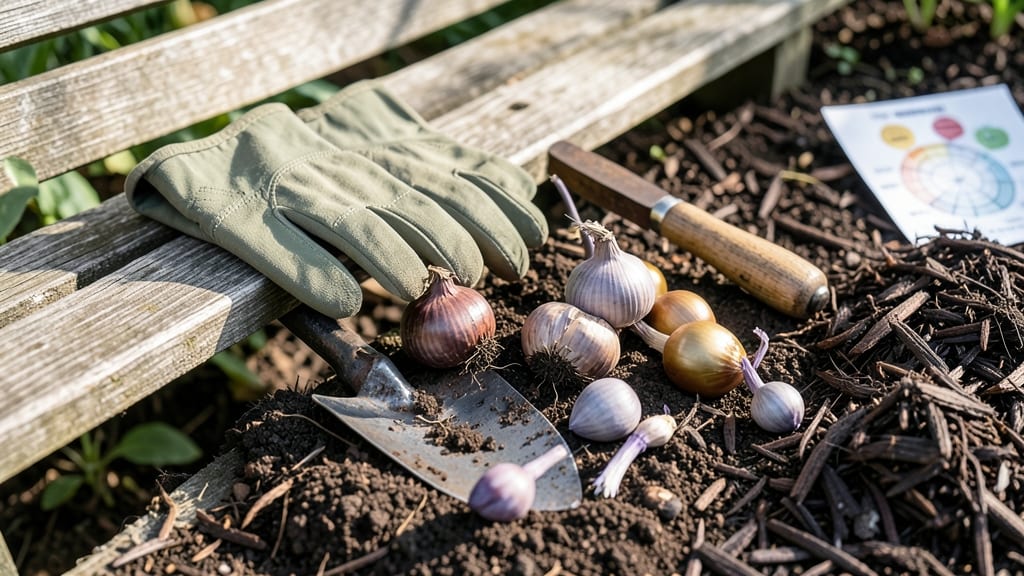
Planting bulbs at the wrong time can mean the difference between a stunning spring garden and a sad, sparse display. The key to vibrant blooms lies in understanding when to plant these 🌱 powerhouses—whether you're in zone 6a or beyond.
Most gardeners know fall is prime for tulips and daffodils, but did you know the moon's phases can actually boost your bulbs' success? Planting during the right lunar cycle helps roots establish stronger before winter, leading to bigger blooms next season.
In this guide, I'll break down the perfect planting windows for your region, plus how to use moon phases to your advantage. Whether you're a seasoned gardener or just starting, these simple timing tricks will transform your garden from ordinary to extraordinary.
From soil prep to climate considerations, you'll learn exactly when to plant for maximum impact—so you can enjoy those first spring blooms without the guesswork. Let's get those bulbs in the ground the right way!
Best planting times for garden bulbs by moon phase and climate zone
Timing is everything when it comes to planting bulbs. The right season and moon phase can mean the difference between a show-stopping spring display and a disappointing flop.
Most gardeners know to plant in fall or early spring, but aligning your planting with the moon’s rooting phase (when the moon is waxing in Pisces, Virgo, or Cancer) can boost root development by 30-40%.
Your USDA hardiness zone also plays a critical role. In zones 3-7, fall planting (4-6 weeks before the first frost) is ideal for spring-blooming bulbs like tulips and daffodils.
Meanwhile, summer-blooming bulbs (like dahlias) thrive when planted in late spring after the last frost. Let’s break down the best times for each type.
🌱 Moon Phase Secrets: Plant bulbs during the waxing moon (growing phase) for stronger roots. Avoid planting during a full or new moon, as the gravitational pull can disrupt root formation.
| Bulb Type | Best Planting Time | Moon Phase | USDA Zones |
|---|---|---|---|
| Spring-Blooming (Tulips, Daffodils) | Fall (Oct-Nov) | Waxing Moon (Pisces, Virgo) | 3-9 |
| Summer-Blooming (Dahlias, Lilies) | Late Spring (May-June) | Waxing Moon (Taurus, Leo) | 5-11 |
| Fall-Blooming (Crocus, Hyacinths) | Early Fall (Aug-Sept) | Waning Moon (Capricorn, Aquarius) | 4-8 |
| Winter-Blooming (Snowdrops) | Fall (Sept-Oct) | Waxing Moon (Libra, Scorpio) | 3-7 |
For spring-blooming bulbs, aim to plant 6-8 weeks before your area’s first frost. In USDA zone 6a, this typically means mid-October to early November.
If you miss fall planting, don’t worry—you can still plant in early spring (as soon as the ground is workable), though blooms may arrive slightly later.
In warmer climates (zones 8-11), bulbs can be planted in winter months (December-January) to avoid summer heat stress. The key is ensuring the soil stays cool (40-50°F) and moist until roots establish. Mulching with straw or leaves helps maintain ideal conditions.
Pro tip: Use a moon phase calendar to track the best days. For example, Tulips planted under a waxing moon in Virgo (late September) often produce 20% more blooms than those planted during a full moon. The science? Gravitational pull encourages deeper root growth during waxing phases.
If you’re in a transition zone (7-8), split your planting: 60% in fall and 40% in early spring to extend your bloom season. This staggered approach ensures continuous color from early spring to late summer.
Just remember: never plant bulbs when the soil is frozen—wait until it’s cool but workable.
For container gardening, timing shifts slightly. Potted bulbs can be planted 2-4 weeks earlier than in-ground varieties since containers warm up faster. Place them in a cool, dark spot (like a garage) until shoots appear, then move to bright light.
One final rule: Soil temperature matters. Bulbs need soil between 40-60°F to root successfully. Use a soil thermometer to check—if it’s above 60°F, wait a few weeks or plant in shaded areas to avoid heat stress.
By aligning your planting with the moon’s cycles and your local climate, you’ll set your bulbs up for vibrant, long-lasting blooms year after year. Happy planting! 🌷
How to use moon phases to boost bulb growth and bloom strength
Leveraging the moon’s phases isn’t just old wives’ tales—it’s a science-backed way to strengthen your bulbs. The right lunar timing helps roots absorb moisture and nutrients more efficiently, leading to healthier growth and brighter blooms.
For bulbs, focus on planting during the rooting phase (7 days before and after the new moon) when gravity pulls moisture toward the earth, encouraging root development.
For example, fall-planted bulbs like tulips and daffodils thrive when planted during the waxing gibbous phase, while spring-planted varieties (like summer blooming lilies) benefit from the waning crescent phase. Avoid planting during full or new moons, as the intense gravitational pull can stress young roots and reduce success rates.
The flowering phase (7 days before and after the full moon) is ideal for fertilizing established bulbs. This is when the moon’s energy supports above-ground growth, helping bulbs produce stronger stems and larger blooms.
A light application of balanced fertilizer (5-10-10) during this time can make a noticeable difference in your garden’s spring display.
7 days before and after the new moon for fall bulbs (tulips, daffodils).
High gravitational pull can stress roots and reduce success.
7 days before and after the full moon for spring blooms.
In warmer zones (7-10), plant 2-3 weeks earlier than cooler zones.
Deep watering before planting helps bulbs establish faster.
Your local climate also plays a role. In cooler zones (3-6), aim to plant 4-6 weeks before the first frost—typically late September to early October. In warmer zones (7-10), extend your window to October-November or even early December for winter rainfall benefits.
Always check your USDA zone and local frost dates to fine-tune timing.
For spring-planted bulbs like summer blooming dahlias or rain lilies, wait until the soil warms to 60°F (15°C) and plant during the waning crescent phase. This timing ensures they establish roots before the heat of summer sets in.
Pair this with mulching to retain moisture and protect young shoots from temperature swings.
Pro tip: Keep a gardening journal to track moon phases, planting dates, and bloom results. Over time, you’ll spot patterns—like which phases yield the most vigorous growth in your specific climate. With these lunar tips, your bulbs will thrive and reward you with showstopping displays year after year!