
Plants
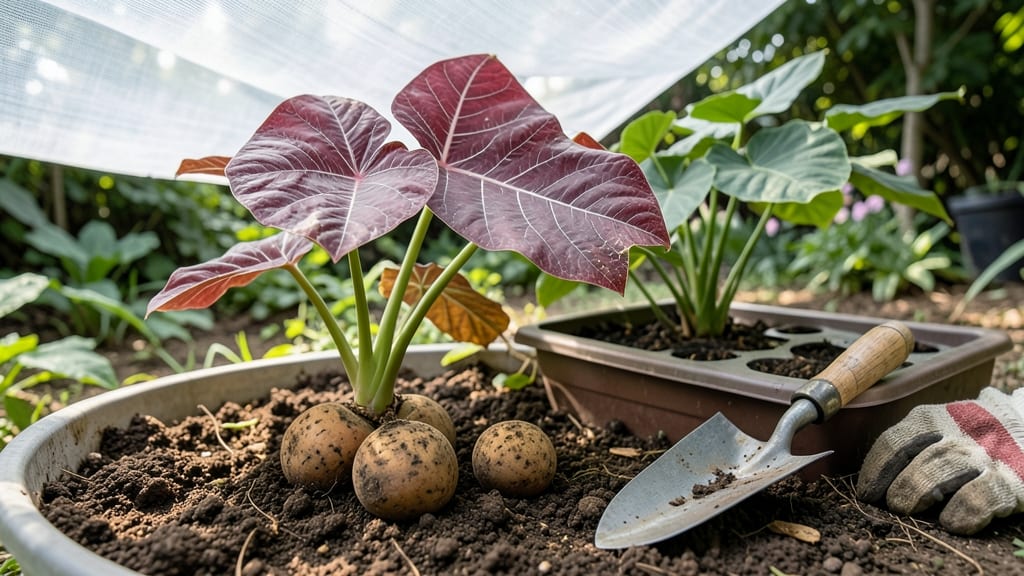
Planting caladium bulbs in North Texas at the wrong time means either freezing them out or watching them wilt in the summer heat before they even bloom.
The sweet spot for these tropical-looking plants is after the last frost—typically between late March and early April—when soil temperatures hit at least 60°F.
Why does timing matter so much? Caladiums thrive in heat but can’t handle cold snaps, and North Texas’s Zone 8a climate throws a curveball with unpredictable early-summer heat waves. Getting it right means vibrant foliage that lasts all season, not a sad, sunburned mess.
I’ve learned the hard way: waiting too long risks heat stress, while planting too early invites frost damage. The key is balancing soil warmth, air temperatures, and your garden’s microclimate—especially if you’re in a hotter pocket of the region.
Let’s break down the exact steps to nail your planting window.
From soil prep to mulching tricks, I’ll share what’s worked for me (and what hasn’t) to keep my 🌿 caladiums thriving through Texas’s brutal summers. Ready to avoid the common mistakes that kill these beauties?
Optimal planting windows for caladium bulbs in North Texas heat zones
Caladium bulbs thrive in North Texas's Zone 7b-8a, but their tropical nature demands precise timing to avoid frost damage or heat stress. The last average frost date in most of North Texas falls around March 15, but I recommend waiting until late March to early April for planting.
This ensures soil temperatures stay above 60°F, which is critical for root establishment.
North Texas's microclimates create variations in frost-free dates. For example, areas like Dallas and Fort Worth typically see their last frost by March 15, while Wichita Falls might experience late frosts into early April. Always check your local frost-free date to time your planting perfectly.
Caladiums prefer warm soil, so use a soil thermometer to confirm temperatures are consistently above 60°F before planting. In North Texas, this usually aligns with late April in cooler pockets like Lubbock, but earlier in Houston and Austin areas.
Planting too early risks root rot from cold, wet soil.
Here’s how North Texas’s heat zones affect planting windows:
| Heat Zone | Last Frost Date | Optimal Planting Window | Soil Temp Threshold | Heat Wave Prep |
|---|---|---|---|---|
| Zone 7b (Dallas, Fort Worth) | March 15 | Late March–Early April | 60°F+ | Mulch heavily after planting |
| Zone 8a (Austin, San Antonio) | February 28 | Early March–Mid-April | 60°F+ | Provide afternoon shade |
| Zone 7b (Wichita Falls) | April 1 | Early April–Mid-April | 65°F+ | Use shade cloth |
| Zone 8a (Houston) | February 15 | Late February–Early March | 60°F+ | Water deeply daily |
North Texas summers bring intense heat and occasional 100°F+ days, so post-planting care is just as critical as timing. After planting, apply a 2-3 inch layer of mulch to retain moisture and protect roots.
In Zone 8a areas, consider providing afternoon shade during peak summer months to prevent leaf scorch.
If you’re in a cooler microclimate, like the Panhandle region, delay planting until mid-April to avoid late frosts. Use a frost cloth as a precaution if planting early in these areas. Always monitor your local weather forecasts for unexpected cold snaps, even in spring.
For container gardening, you can plant caladiums slightly earlier—around mid-March—since pots warm up faster. However, move containers indoors or to a sheltered area if nighttime temperatures drop below 50°F. This flexibility makes caladiums a great choice for urban gardeners with limited space.
Remember, caladiums are not cold-hardy and will die back if exposed to frost. In North Texas, this means treating them as annuals, even though they’ll produce stunning foliage year after year if planted correctly.
The key is timing: plant after the last frost, but before the summer heat intensifies.
Once established, caladiums will reward you with vibrant, heart-shaped leaves in shades of pink, red, and white. With the right planting window, you’ll enjoy their tropical beauty from late spring through fall—long after most annuals have faded. 🌿
Optimal planting windows for caladium bulbs in North Texas heat zones
North Texas’s Zone 7b-8a climate creates unique challenges for caladium bulbs, where late frosts can linger into April while 100°F heat waves arrive by June.
The ideal planting window balances these extremes: late March to early April after the last frost date, but with a critical soil temperature threshold of 60°F+.
For most of North Texas, this means waiting until mid-to-late March in Zone 8a (Dallas, Fort Worth) and early April in cooler Zone 7b pockets (near Denton or Waco). Using a soil thermometer is non-negotiable—cold soil stresses bulbs, while rushing into warm soil risks heat shock.
Here’s the breakdown by microclimate, including heat-wave preparedness tips:
| Zone | Last Frost Date | Optimal Planting Window | Soil Temp Threshold | Heat-Wave Prep |
|---|---|---|---|---|
| 8a (Dallas/Fort Worth) | March 15–25 | Late March | 60°F+ | Mulch with 2" straw; water deeply at 50°F+ |
| 7b (Denton/Waco) | April 1–10 | Early April | 60°F+ | Use shade cloth (30%) if temps exceed 90°F |
| 8a (East TX: Tyler) | March 1–10 | Mid-March | 55°F+ | Plant in raised beds for drainage |
Pro tip: If you’re in a hotter microclimate (like Zone 8a near Austin), consider pre-sprouting bulbs indoors in late February. Place them in pots with moist peat moss under grow lights until shoots emerge—this gives you a 2-week head start on the season.
After planting, monitor for heat stress signs like yellowing leaves or wilting by midday. If temperatures hit 95°F+, provide afternoon shade with a lightweight shade cloth (50% block) to prevent leaf scorch. Mulching with 2–3 inches of straw keeps roots cool and retains moisture during Texas’s dry spells.
Remember: Caladiums are tropical show-offs, not desert survivors. The goal is to mimic their native humidity—water deeply 2–3 times weekly during peak summer, but never let them sit in soggy soil.
Adjust your schedule based on your garden’s microclimate: shadier spots stay cooler and may need less frequent watering.