
Plants
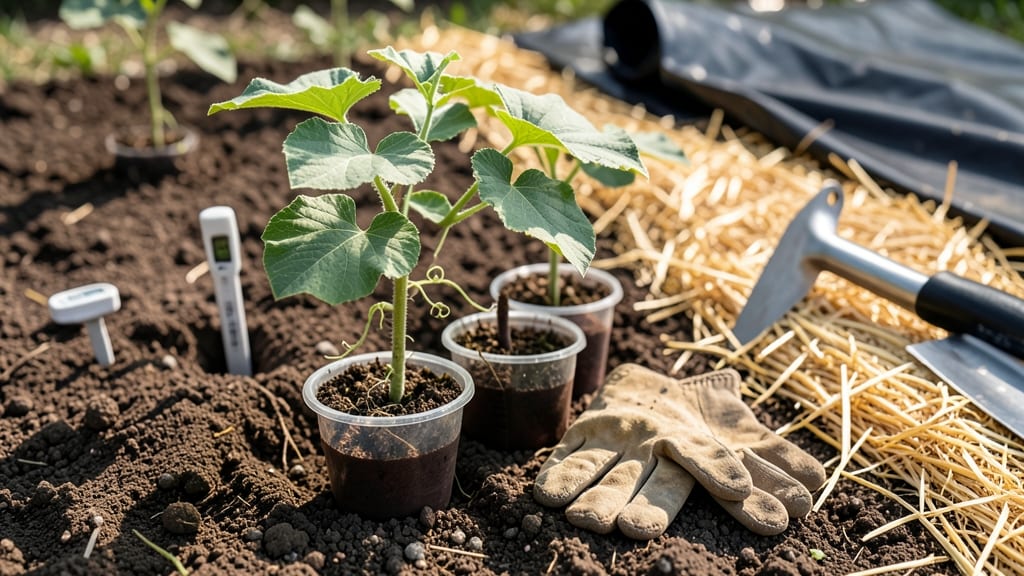
Planting cantaloupe in Zone 8b at the wrong time can mean the difference between a thriving 🍈 harvest and struggling vines that never quite take off. The ideal window is narrow—waiting too long risks stunted growth, while planting early exposes delicate roots to lingering cold.
I’ve learned the hard way that soil temperature matters more than calendar dates, and once you master this timing, your cantaloupe plants will reward you with sweet, ripe fruit all summer long.
For Zone 8b gardeners, the sweet spot is mid-March to early May, but there’s a catch: your soil needs to stay consistently warm, ideally above 70°F. Cold soil slows germination, and cantaloupes simply won’t thrive until the ground cooperates.
If your spring is unpredictable, like mine used to be, I’ll show you how to use row covers or cold frames to give your seeds a fighting chance—even when Mother Nature plays tricks.
Direct-sowing is the easiest method for cantaloupes, but if you’re eager to get a head start, you can transplant seedlings after the last frost—usually around February 15 in most of Zone 8b. The key is balancing patience with action: rush it, and your plants will languish; wait too long, and you might miss the optimal 75-day growing window before summer heat sets in.
Once your cantaloupes are in the ground, consistent care keeps them on track for a July-to-September harvest. I’ll share my top tricks for managing water, nutrients, and even pest pressure—because even the best-planted cantaloupe needs a little extra love to go from seed to sweet, vine-ripened perfection.
Let’s make sure your garden doesn’t miss out on this juicy payoff.
Best planting timeline for cantaloupe in Zone 8b: soil temps & frost dates
Cantaloupe is a warm-season crop that demands precise timing in Zone 8b—where spring warmth arrives early but unpredictable frost pockets linger. Planting too soon risks chilled soil, while waiting too late cuts your harvest window.
Let’s break down the ideal planting window based on soil temperature, frost dates, and heatwave preparedness.
In Zone 8b, the last average frost date typically falls around February 15, but microclimates (like valleys or urban heat islands) can shift this by 2-3 weeks. Always verify your local frost-free date using the USDA Plant Hardiness Zone Map or your local agricultural extension office.
Soil temperature is the critical factor for cantaloupe success. These vines won’t thrive until the soil reaches a steady 70°F (21°C). In Zone 8b, this usually happens between mid-March and early April, but heatwaves can push it earlier.
Use a soil thermometer to confirm—cantaloupe roots need warmth to germinate.
Here’s your Zone 8b cantaloupe planting timeline at a glance, including backup strategies for unpredictable springs:
| Stage | Action | Zone 8b Timeline | Key Notes |
|---|---|---|---|
| Soil Prep | Test soil pH (6.5–7.0), add compost, and loosen soil 12" deep. | Late February | Zone 8b soil warms faster than cooler zones—take advantage! |
| Indoor Starts | Sow seeds 4–6 weeks before last frost (use grow lights if needed). | Early February | Transplant seedlings outdoors when soil hits 70°F. |
| Direct Sow | Plant seeds 1–1.5" deep, 2–3" apart in hills. | Mid-March to early April | Wait for soil to stay above 70°F for 5+ days. |
| Transplant | Move seedlings 24" apart in hills, 4–6 ft apart. | Late March to early May | Hardening off seedlings for 7–10 days first. |
| Backup Plan | Use black plastic mulch to warm soil 2–3°F faster. | Any time after last frost | Extends growing season by 2–3 weeks. |
For Zone 8b gardeners, the sweet spot is planting cantaloupe seeds directly into the garden between mid-March and early April. This aligns with soil warming trends and avoids the transplant shock that seedlings often experience.
If your spring is unusually cold, opt for black plastic mulch or a low tunnel to jumpstart soil temperature.
Pro tip: In Zone 8b, you can even squeeze in a fall planting! Sow seeds again in late July for a late-summer harvest before the first frost. Just ensure your soil stays above 65°F (18°C)—cantaloupe roots are sensitive to cold.
Watch for heatwaves after planting. Cantaloupe thrives in 75–95°F (24–35°C) but can bolder (flower without fruit) if temps exceed 95°F (35°C). Provide shade cloth during extreme heat if needed.
Finally, mark your calendar for harvest time: cantaloupe typically matures in 75–90 days, so Zone 8b plantings will be ready by late June to August. Plan ahead to avoid missing your window!
🌱
Best planting timeline for cantaloupe in Zone 8b: soil temps & frost dates
In Zone 8b, cantaloupe thrives when planted after the last frost date, typically around mid-March to early May. The key is waiting for soil temperatures to reach at least 70°F (21°C)—cantaloupe seeds won’t sprout in cooler soil.
Use a soil thermometer to check, as Zone 8b’s unpredictable springs can delay warming.
If you’re eager to start early, consider indoor seed starting in late February. Transplant seedlings outdoors only after nighttime temperatures stay above 55°F (13°C) for at least a week. This gives your vines a head start before the Zone 8b heatwave season peaks in summer.
Here’s your Zone 8b cantaloupe planting timeline broken down by critical stages:
| Stage | Action | Notes |
|---|---|---|
| Late February | Start seeds indoors | Use seedling heat mat for faster germination |
| Mid-March | Hardening off seedlings | Acclimate for 7–10 days before transplanting |
| Early May | Direct-sow or transplant | Soil must be 70°F+; avoid transplant shock |
| June–July | Thin seedlings | Leave 2–3 feet between plants for vine spread |
| July–September | Harvest at peak ripeness | Watch for creamy yellow rinds and dried stems |
For Zone 8b gardeners, late spring planting (May) is often safer than early attempts. If you miss the window, don’t despair—succession planting in early June can still yield fruit before the first frost in November. Just be prepared to mulch heavily to retain soil warmth.
Pro tip: Monitor your local microclimate. Urban areas in Zone 8b can be 5–10°F warmer than rural spots, so adjust your timeline accordingly. A minimum-maximum thermometer helps track these variations.
🌱