
Plants
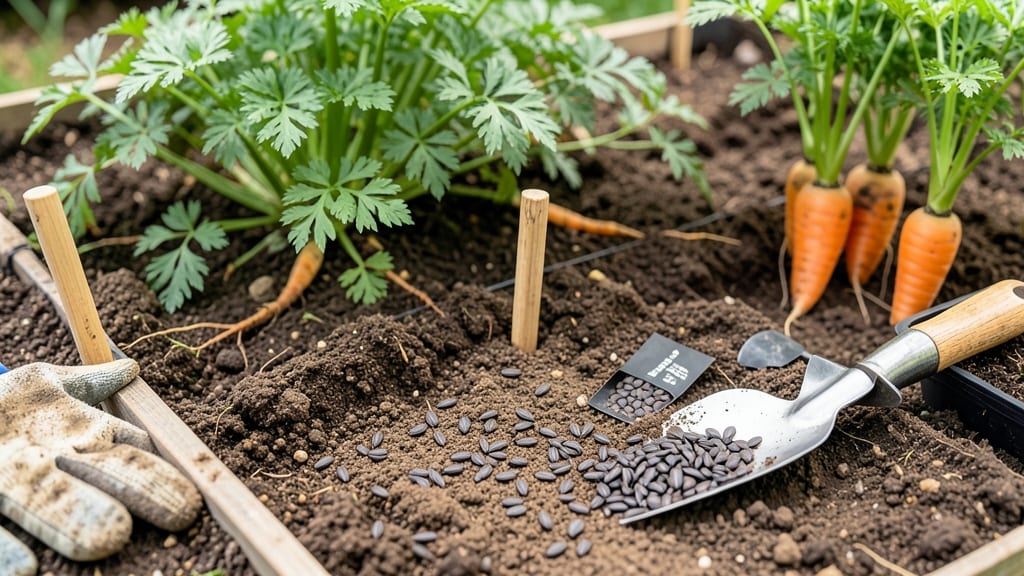
Planting carrots at the wrong time in Zone 6a could leave you with bitter, stunted 🥕 roots instead of the sweet harvest you’re dreaming of. The key to success lies in understanding your local frost dates and soil temperatures—because those tiny seeds need warmth to germinate properly.
In Zone 6a, the best window to plant carrots is early spring (March-April) and late summer (July-August). This timing ensures your soil is warm enough (around 50-70°F) and gives your carrots enough time to mature before the first frost hits in mid-October.
But don’t worry if you miss the ideal window—succession planting can still help you extend your harvest.
Whether you’re a first-time gardener or a seasoned pro, getting this timing right makes all the difference. I’ll walk you through exactly how to time your plantings, adjust for regional microclimates, and even protect your crop if late frosts sneak in. Let’s get those carrots growing!
By the end, you’ll know not just when to plant, but how to maximize your yield—so you can enjoy homegrown 🥕 from summer straight through fall. Ready to dig in?
Zone 6A carrot planting timeline: frost dates & soil temperature guide
In Zone 6a, the last spring frost typically arrives around mid-April, but your local microclimate can shift this by 1-2 weeks. For example, areas like the Piedmont region often warm up faster than the Appalachian foothills.
To pinpoint your exact window, check your USDA Plant Hardiness Zone Map and monitor local weather forecasts for the average last frost date in your specific county.
Carrot seeds need soil temperatures between 50-70°F to germinate properly. If you plant too early, the seeds may rot in cold soil. A simple way to test soil warmth is by using a soil thermometer—stick it 2 inches deep and wait 10 minutes for an accurate reading.
If the temperature is below 50°F, wait another week or two before planting.
Here’s the ideal planting timeline for Zone 6a: Start your first batch in late March (if soil is warm enough) and continue through early April. For a fall harvest, plant your last batch in mid-July to give carrots time to mature before the first frost hits in mid-October.
This two-phase approach ensures you’ll have fresh carrots from summer through early fall.
Pro tip: If you’re using row covers or a cold frame, you can push your spring planting back by 2-3 weeks without risking frost damage. Just remove the cover once the soil warms up to protect young seedlings from sudden temperature drops.
| Planting Window | Soil Temp Requirement | Frost Risk | Actionable Tip |
|---|---|---|---|
| Late March - Early April | 50-60°F | Low (post-last frost) | Test soil warmth; use row covers if nights are still chilly. |
| Mid-July | 60-70°F | Moderate (fall frost) | Choose fast-maturing varieties (e.g., 'Early Nantes') for fall harvests. |
| February (with protection) | 45-50°F (with cold frame) | High (early frost) | Only attempt if you have a heated greenhouse or cold frame. |
| May (succession) | 60-70°F | None | Plant every 2 weeks for continuous harvests through summer. |
For regional adjustments, Piedmont gardeners can often plant 1-2 weeks earlier than those in the Appalachians due to faster soil warming. If you’re unsure, err on the side of caution—carrots planted too early in cold soil may develop forked roots or rot entirely.
Always keep an eye on your local Almanac’s frost predictions for the most accurate timing.
Another key factor is daylight length. Carrots grow best with 6-8 hours of sunlight daily, so avoid planting in deep shade. If your garden has partial shade, choose shorter varieties like 'Paris Market' or 'Little Finger' to maximize success.
These adapt better to less sunlight while still delivering delicious harvests.
Don’t forget to loosen your soil before planting—carrots need deep, rock-free soil to grow straight. Work in compost or aged manure to improve drainage and fertility. This step alone can prevent the dreaded forked or hairy roots that plague many gardeners.
A quick soil test for pH (6.0-6.8) ensures optimal nutrient uptake too.
Once you’ve nailed your planting window, succession planting becomes your best friend. By sowing new seeds every 2-3 weeks from March through July, you’ll enjoy a steady supply of fresh carrots all season long. Just remember: thin seedlings to 2-3 inches apart to prevent overcrowding, which leads to stunted growth.
With these timing tips, you’ll be well on your way to a bountiful carrot harvest in Zone 6a—no more bitter, stunted roots! The secret is warm soil, smart timing, and a little regional know-how. Now grab your seeds and get planting! 🥕
Zone 6A carrot planting timeline: frost dates & soil temperature guide
In Zone 6a, the last frost date typically lands in mid-April, while the first frost arrives around mid-October. This gives you a 165-day frost-free window, but timing your carrot plantings correctly ensures you maximize that window for sweet, crisp harvests.
Carrot seeds need soil temperatures between 50-70°F to germinate properly. If you plant too early, your seeds may rot in cold soil. If you wait too long, your carrots won’t mature before frost. Let’s break down the ideal planting windows and how to check your soil’s readiness.
| Planting Window | Soil Temp Requirement | Average Zone 6a Dates | Days to Harvest |
|---|---|---|---|
| Early Spring | 50-60°F | March 15 - April 15 | 70-80 days |
| Late Summer | 60-70°F | July 15 - August 15 | 60-70 days |
| Fall (Succession) | 55-65°F | August 1 - September 1 | 50-60 days |
For spring plantings, aim to sow seeds 4-6 weeks before your last frost date. In Zone 6a, this usually means mid-March to mid-April. Use a soil thermometer to confirm temperatures are above 50°F—if not, wait another week or two.
Early varieties like 'Early Nantes' or 'Paris Market' are great choices for spring.
If you’re planting in late summer, focus on short-day varieties like 'Danvers Half Long' or 'Chantenay'. These mature faster and can handle cooler soil temperatures. Start sowing around mid-July to ensure harvest before the first frost in mid-October.
Avoid planting after August 15, as carrots need at least 50 days to mature after germination.
Regional variations in Zone 6a can shift these dates slightly. For example, Piedmont climates (like Raleigh, NC) tend to warm up faster than Appalachian areas (like Asheville, NC).
Check your local USDA Plant Hardiness Zone Map and ask fellow gardeners in your area for their experiences—timing can vary by 1-2 weeks depending on microclimates.
Pro tip: If your soil is still too cold in early spring, try planting in a cold frame or using black plastic mulch to warm the soil faster.
This can shave off 1-2 weeks from your planting timeline, giving you an earlier harvest. Just remember to remove the mulch once seeds sprout to prevent overheating.
By following this timeline, you’ll avoid the bitter, stunted roots that come from planting at the wrong time—and instead enjoy a steady supply of homegrown 🥕 all season long.