
Plants
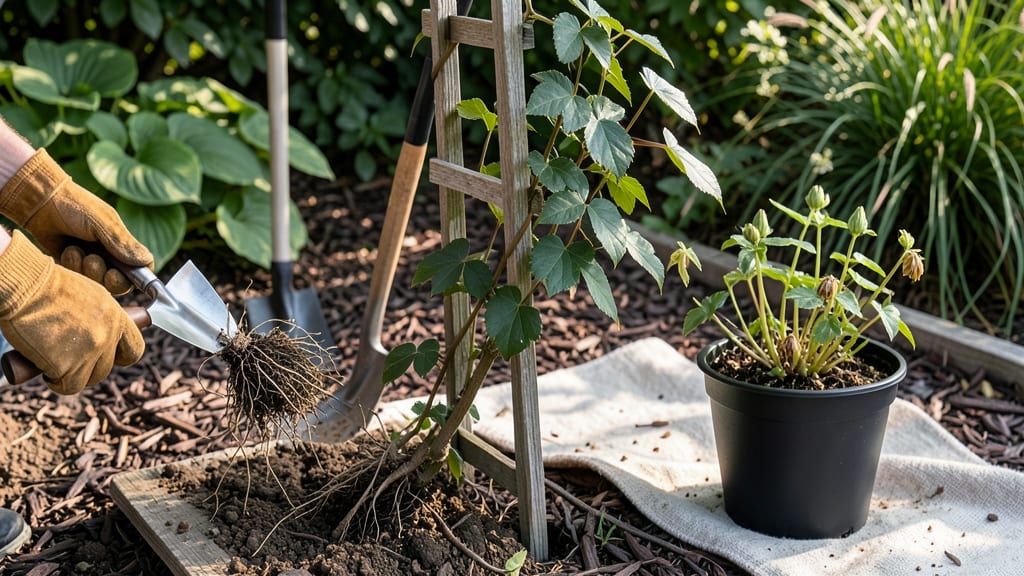
Planting your clematis 🌸 at the wrong time in Indiana can mean the difference between stunning spring blooms and struggling vines. The key to success lies in understanding Indiana's unique climate zones and frost patterns, which create a narrow window for planting that maximizes root growth before winter sets in.
If you've ever watched your clematis struggle through Indiana's unpredictable weather, you know timing matters more than most gardeners realize. The best months to plant in zones 5b-6a are early spring (March-April) or early fall (September-October), when soil temperatures are ideal and frost risks are minimal.
Let me show you exactly how to read your local conditions to pick the perfect moment.
Whether you're planting in containers or directly in the ground, getting the timing right reduces transplant shock and gives your clematis the strong start it needs. I'll walk you through the soil temperature checks and frost date calculations that make all the difference in Indiana's variable climate.
Ready to transform your garden with vibrant clematis blooms? We'll cover everything from soil preparation to the exact window you should aim for, so you can enjoy years of beautiful, healthy growth without the guesswork.
Best months to plant clematis in Indiana based on climate zones
Indiana’s USDA zones 5b-6a create unique challenges for clematis planting, but understanding your specific zone helps you avoid late frosts and heatwaves. The ideal planting window spans early spring (March-April) and early fall (September-October), when soil temperatures stabilize between 50-60°F—perfect for root establishment.
Northern Indiana (zone 5b) gardeners should prioritize late April to early May planting to escape lingering cold snaps, while southern Indiana (zone 6a) can plant as early as March. Fall planting in zone 6a extends until mid-October, giving roots time to anchor before winter.
Clematis thrive when planted during their dormant season—either before new growth in spring or after summer blooms in fall. This timing ensures strong root development before extreme weather hits, reducing transplant shock.
For container-grown clematis, Indiana’s frost-free period (165 days) means you can plant up to mid-October in zone 6a, but zone 5b gardeners should finish by early October to avoid winter damage.
🌸
Indiana Clematis Planting Timeline
| Zone | Spring Planting Window | Fall Planting Window | Soil Temp Requirement |
|---|---|---|---|
| 5b (Northern IN) | Late April - Early May | Early September - Mid-October | 50-60°F |
| 6a (Southern IN) | March - Early April | Late August - Mid-October | 50-65°F |
Pro Tip: Use a soil thermometer to confirm 50°F+ before planting—cold soil slows root growth.
When planting in early spring, aim for 4-6 weeks before your last frost date (typically April 15 in Indiana). This gives roots time to establish before summer heat arrives, preventing stress during Indiana’s humid summers.
For fall planting, schedule your clematis 6-8 weeks before first frost (around October 15). This timing allows roots to grow but avoids winter dormancy too early, which can weaken young plants.
Indiana’s microclimates matter—gardeners in valleys may experience later frosts than those on hilltops. Monitor local weather patterns and adjust your planting by 1-2 weeks if needed.
Always plant clematis 2-3 inches deeper than their container level to protect the crown from temperature swings. In Indiana’s freeze-thaw cycles, this extra depth prevents heaving during winter.
🌿
Best months to plant clematis in Indiana based on climate zones
Indiana’s USDA zones 5b-6a create a unique window for planting clematis vines. Unlike tropical plants, clematis thrives when planted during cooler shoulder seasons—either early spring or early fall. This timing lets roots establish before extreme heat or winter cold arrives.
The ideal planting months in Indiana are March-April (spring) or September-October (fall). These windows align with soil temperatures between 50°F-60°F, perfect for root development without stressing the plant. Northern Indiana (zone 5b) may need to wait until mid-April for safer soil conditions.
Here’s how Indiana’s microclimates affect planting timing:
| Climate Zone | Best Spring Window | Best Fall Window | Soil Temp Goal |
|---|---|---|---|
| Northern Indiana (5b) | Mid-April to early May | Early September to mid-October | 50°F-55°F |
| Southern Indiana (6a) | Late March to April | Late August to early October | 55°F-60°F |
For container-grown clematis, you can plant 1-2 weeks earlier in spring or 2 weeks later in fall since pots warm up faster. Just ensure your containers have drainage holes to prevent root rot from Indiana’s occasional heavy rains.
Pro tip: Use a soil thermometer to confirm soil temps. Clematis roots need at least 50°F to avoid stunted growth. If temps drop below 40°F, delay planting until conditions improve.
Always plant your clematis crown 2-3 inches below soil level—this protects tender roots from temperature swings. Mulch heavily after planting to retain moisture and regulate soil temperature during Indiana’s unpredictable spring frosts.
Timing matters most for first-year blooms. Plants established in ideal windows often flower 1-2 years sooner than those planted outside the recommended periods. 🌸