
Plants
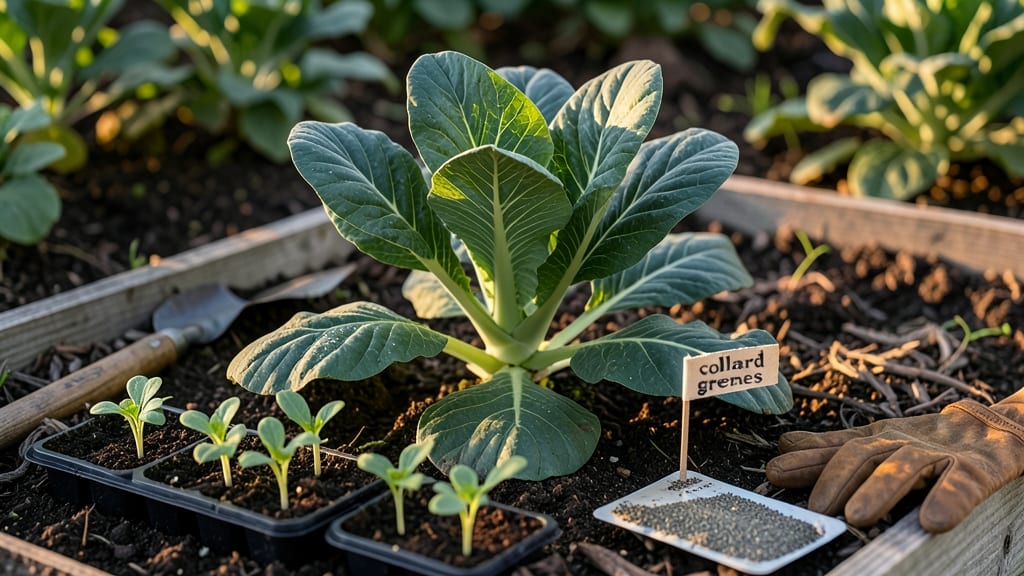
Planting collard greens 🥬 at the wrong time in Georgia means missing out on their sweet, tender leaves—because these cold-hardy greens thrive when temperatures drop, not when the sun blazes.
If you’ve ever watched your collards bolt in summer or turn bitter in late fall, you’re not alone: timing is the game-changer for a steady harvest.
Georgia’s USDA 7b-8b climate gives you two prime windows to plant: early spring (March–April) and late summer (August–September). But here’s the catch—fall plantings need to happen 6 weeks before the first frost (usually late November), while spring plantings should go in 4–6 weeks before your last frost (mid-March).
Get this wrong, and you’ll either stumble into summer heat or lose your crop to winter chill.
What if you want collards year-round? The secret lies in succession planting and heat-tolerant varieties, which I’ll break down so you can enjoy fresh greens from October through April—even in Georgia’s unpredictable weather. Let’s dive into the exact steps to plant for success, no guesswork included.
Whether you’re a first-time gardener or a seasoned green thumb, these proven strategies will help you avoid common pitfalls like overcrowding or underestimating frost dates. Ready to turn your garden into a collard green powerhouse? Let’s get started.
Georgia’s ideal planting windows for collard greens by season
Collard greens thrive in Georgia’s climate, but timing your planting is key to avoiding bitter leaves or poor growth. These cold-hardy greens grow best in cool weather and can even tolerate light frosts, making them perfect for Georgia’s fall and winter seasons.
However, planting too late in spring or too early in summer risks bolting or heat stress.
Georgia’s USDA zones 7b-8b offer two primary planting windows: early spring (March-April) and late summer/early fall (August-September). The first frost typically arrives in late November, while the last frost occurs around mid-March, giving you a 210-day frost-free period to work with.
Fall planting (August-September) is ideal for a winter harvest, as cooler temperatures enhance flavor and tenderness. For a spring harvest, plant 6-8 weeks before the last frost (around February-March). Coastal Georgia’s milder winters may allow for slightly later fall plantings.
Collard Green Planting Windows in Georgia
| Season | Planting Window | Soil Temperature | Key Notes |
|---|---|---|---|
| Fall | August - September | 55°F - 75°F | Best for winter harvest; avoid planting too late (after October) |
| Early Spring | March - April | 45°F - 65°F | Plant 6-8 weeks before last frost; harvest before summer heat |
| Late Summer (Succession) | July - Early August | 60°F - 70°F | Use shade cloth for heat protection; harvest before frost |
🌱 Pro Tip: Test soil pH (6.0-7.0) before planting for optimal growth.
For fall plantings, aim for 4-6 weeks before the first frost to ensure mature leaves before winter. In Georgia, this typically means starting seeds indoors in July or direct-sowing in August. Varieties like Georgia Southern or Vates are excellent choices for Georgia’s climate.
In spring, plant as soon as the soil reaches 45°F (usually March). Avoid planting too early—cold, wet soil can stunt growth. Use row covers if late frosts threaten young seedlings. Coastal areas may extend spring planting slightly later due to milder temperatures.
If you’re in North Georgia (USDA 7b), expect earlier frosts and shorter growing seasons. Plant fall crops by mid-August and spring crops no later than early April. In South Georgia (USDA 8a-8b), you have more flexibility—fall plantings can go until early October.
Always check your local frost dates (available from the Georgia Climate Project) to fine-tune your schedule. For example, Athens (USDA 8a) has a later last frost than Dahlonega (USDA 7b), so adjust accordingly. Mulching with straw or leaves helps protect plants during light frosts.
Remember: Collards are biennial, meaning they’ll often survive mild winters and produce even more robustly in spring. This makes them a fantastic year-round crop when planted correctly. With the right timing, you can enjoy fresh collards from October through April in Georgia!
Georgia’s ideal planting windows for collard greens by season
Georgia’s two distinct planting windows for collard greens align perfectly with its mild winters and hot summers. The key is avoiding extreme heat (above 85°F) and late frosts, which can stress young plants.
Most gardeners in USDA zones 7b-8a focus on fall and spring plantings, with a few daring to try winter crops under protection.
For a fall harvest, plant collard greens 4-6 weeks before the first frost—typically mid-August to early September. This gives them time to mature before winter chill enhances their sweetness. In spring, aim for late February to early March, allowing harvests before summer’s peak heat arrives.
🌱
Georgia’s Coastal Plain (warmer) can plant 2 weeks earlier than the Piedmont (cooler). Check your last frost date—Atlanta’s average is March 15, while Savannah’s is February 1. For winter crops, use row covers or cold frames to extend the season into December.
Soil temperature is critical: collards thrive when soil is at least 50°F. Use a soil thermometer to confirm—cool soil delays germination. In spring, wait until March to avoid bolting (premature flowering) from warm nights.
Pro tip: Succession plant every 2 weeks in fall for continuous harvests. Start with heat-tolerant varieties like ‘Georgia Southern’ or ‘Top Bunch’ to push limits in late summer under shade cloth.
✂️