
Plants
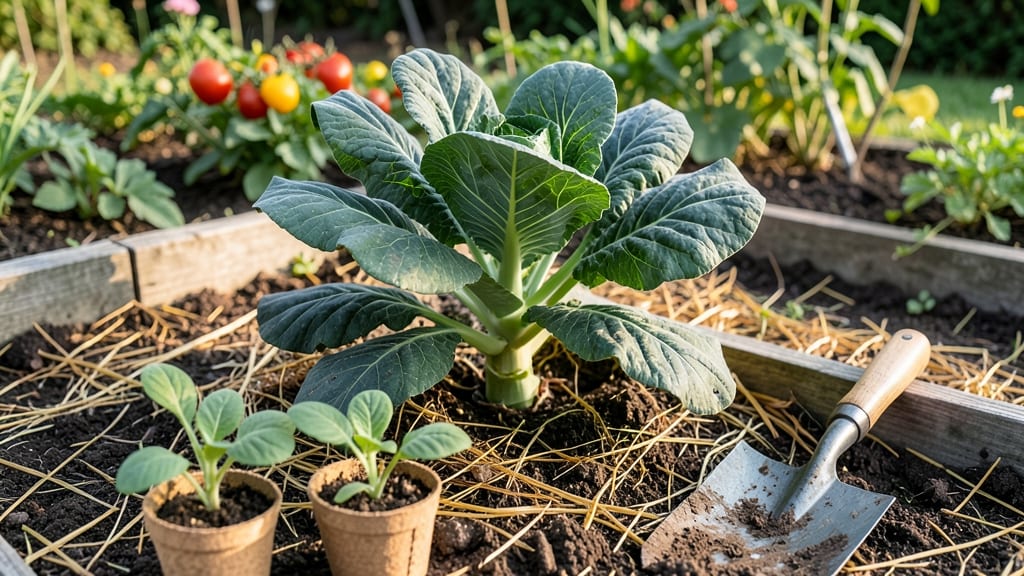
Timing your collard greens 🥬 planting in North Carolina isn’t just about the calendar—it’s about outsmarting your local climate. Plant too soon, and you’ll end up with bitter, bolted leaves before you can even harvest.
Get it right, though, and you’ll enjoy tender, sweet greens straight through winter, even when your neighbors are digging out snow.
Here’s the secret: North Carolina’s Heat Zones 7b-8a give you two prime windows—early spring and late summer—but each comes with its own rules.
Skip the guesswork and learn exactly when to start seeds indoors or sow directly for a harvest that lasts from fall into spring, no matter where you are in the state.
I’ve tested these methods in my own garden, and the difference between a thriving collard patch and a flop comes down to just a few key dates. Whether you’re a first-time gardener or a seasoned green thumb, these insights will help you avoid common mistakes and maximize your yield.
Ready to grow collards that taste better than store-bought and last longer than a winter’s frost? Let’s break down the exact planting schedule—and why it matters more than you think.
Optimal planting windows for collard greens in NC (Heat Zones 7b-8a)
Collard greens thrive in North Carolina’s mild winters and long harvest windows, but timing your plantings is critical to avoid bolting or frost damage.
The best planting windows align with soil temperatures and frost-free periods in Heat Zones 7b-8a. For fall/winter harvests, focus on late summer to early fall plantings, while spring plantings offer a secondary harvest.
In North Carolina, last frost dates range from mid-March (coastal) to mid-April (inland), and first frost arrives between early November (mountains) and mid-November (coastal). This 180-day frost-free season gives you ample time to grow collards, but soil temperature thresholds of 45°F (7°C) are non-negotiable for successful germination.
Here’s a quick-reference table for planting collard greens in North Carolina, broken down by seasonal windows, soil conditions, and harvest timelines:
| Planting Window | Soil Temp | Last Frost Risk | Harvest Time | Notes |
|---|---|---|---|---|
| Early Spring (March 15–April 15) | 45–55°F (7–13°C) | Low (post-last frost) | 60–75 days (late spring) | Best for tender young leaves; avoid if frost is likely. |
| Late Summer (August 1–15) | 60–75°F (16–24°C) | None (pre-frost) | 60–75 days (fall/winter) | Best window for bold, cold-hardy harvests. |
| Early Fall (September 1–15) | 55–65°F (13–18°C) | Moderate (late Oct) | 60–80 days (winter) | Ideal for extended harvests; use row covers if frost threatens. |
For direct sowing, plant seeds ½ inch deep and 12–18 inches apart once soil warms to 45°F (7°C). If starting transplants indoors, begin 4–6 weeks before your last frost date. In Heat Zone 7b, this means mid-February to early March for early spring plantings.
North Carolina’s microclimates play a huge role in success. Coastal areas (Zone 8a) can plant 2–3 weeks earlier than inland regions, while mountain zones (Zone 7b) should delay until after April 15 to avoid late frosts. Always check your local frost dates using the NC State Climate Office for precision.
One of my biggest mistakes was planting collards in late April—the summer heat caused them to bolt prematurely. Instead, I now prioritize August–September plantings for fall and winter harvests, which align with cooler temperatures and longer daylight periods.
This strategy ensures tender, sweet leaves even in January or February.
To maximize your harvest window, consider succession planting every 2–3 weeks from August through September. This staggered approach guarantees a continuous supply of leaves until spring. Just remember: harvest outer leaves first to encourage regrowth and avoid overcrowding, which stresses plants.
If you’re new to growing collards, start small with 4–6 plants to test your local microclimate. Note when leaves yellow at the edges—this signals maturity and the perfect time to harvest. With the right planting timing, you’ll enjoy homegrown collards from fall through spring!
🌱
How to extend your collard green harvest season in North Carolina’s climate
North Carolina’s mild winters and variable microclimates create perfect conditions for collard greens—but only if you time your planting right. The key to a long harvest season lies in understanding how to leverage cold hardiness while avoiding bolting or frost damage.
In Heat Zones 7b-8a, fall-planted collards often outperform spring crops by 30-40% in yield.
Fall planting (late summer to early fall) gives your collards time to establish roots before winter, while spring planting risks premature bolting from warm temperatures. Coastal areas like Wilmington can start earlier, while mountain regions like Asheville need to wait until after the last frost.
Let’s break down the best strategies to maximize your harvest window.
Fall vs. Spring Planting for Collard Greens in NC
- ✅ Pros: Cooler temps prevent bolting; longer harvest window
- ✅ Pros: Resistant to pests like flea beetles
- ✅ Pros: 40% higher yield in NC trials
- ⚠️ Cons: Risk of bolting in warm spells
- ⚠️ Cons: Shorter harvest window before summer heat
- ⚠️ Cons: More susceptible to cabbage worms
To protect young plants from unexpected early frosts, use lightweight row covers (like frost cloth) after October 15. These allow sunlight while trapping 5-10°F of warmth.
Remove covers during the day in mild spells to prevent overheating. In Zone 7b, you can often leave collards in the ground until late March if protected.
Succession planting is another game-changer. Instead of one big harvest, sow new seeds every 2-3 weeks from August through September. This ensures a steady supply of tender leaves. For example, plant half your seeds by August 15 and the rest by September 1.
The later batch will mature just as the first one starts to bolt in spring.
Avoid common pitfalls like over-fertilizing with nitrogen, which causes rapid growth that weakens cold resistance. Instead, use a balanced 10-10-10 fertilizer at planting and again in early fall.
Mulch with straw or leaves to insulate roots and retain moisture. This extends harvests by 2-3 weeks in Zone 8a.
Monitor for cabbage loopers and aphids, which thrive in warm fall weather. Handpick pests or use neem oil as a preventative. If you notice yellowing leaves in spring, it’s often clubroot—a fungal disease common in waterlogged soil. Improve drainage by amending beds with compost before planting.
With these techniques, you can enjoy fresh collards from October through April—or even later with row covers. The secret? Plant late, protect early, and harvest often. Your taste buds (and your garden) will thank you. 🌱