
Plants
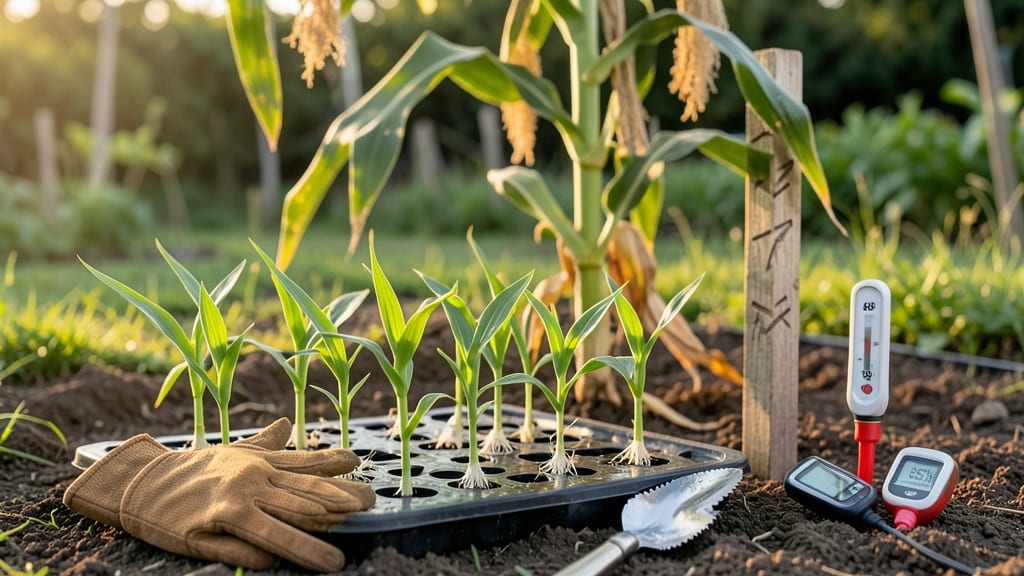
Planting corn in South Carolina at the wrong time can turn your 🌽 dreams into disappointment—especially when last frosts linger into April or heat arrives early.
The key isn't just waiting for spring; it's timing the soil temperature, variety, and your local microclimate to lock in a harvest before summer's humidity takes over.
I've learned the hard way that rushing corn into cold soil or delaying too long means either stunted growth or a race against the clock. South Carolina's USDA zones 7b-8a give you a narrow window—typically mid-April to early June—but coastal areas and the Upstate have their own rules.
Let me break down exactly when to plant for your corner of the state.
Whether you're growing sweet corn for summer meals or field corn for next year's seeds, getting the timing right means fewer pests, stronger stalks, and ears that fill out before the heat sets in.
I'll walk you through the exact soil temps to watch for, how to adjust for early vs. late varieties, and why some gardeners swear by planting in stages.
Skip the guesswork and start with confidence—because in South Carolina, a few weeks can mean the difference between a garden full of 🌽 and empty rows. Here's your zone-specific planting plan to guarantee success.
South Carolina USDA zones 7b-8a: exact planting windows for corn success
South Carolina’s USDA zones 7b-8a create a unique challenge for growing corn—plant too early, and frost will kill tender seedlings. Too late, and your harvest suffers from shorter daylight hours. The key is planting when soil temperatures hit 50°F+ and nighttime frost risk drops below 10%.
For sweet corn, aim for April 15–May 15 in most of the state. Field corn and popcorn varieties can handle slightly later plantings, up to June 1, but expect smaller yields if planted after May 30.
My Upstate SC garden thrives with early plantings, while coastal areas like Charleston can wait until mid-April.
Soil temperature is your best indicator—use a soil thermometer to confirm 50°F+ at 4-inch depth. Corn roots won’t germinate below this threshold, even if air temps are warm. In Zone 7b, wait until April 20–May 5; in Zone 8a, you can start as early as March 20 in protected microclimates.
Here’s the critical planting window breakdown for South Carolina’s zones, including frost-free dates and ideal varieties:
| Zone | Last Frost Date | Ideal Planting Window | Soil Temp Requirement | Best Varieties |
|---|---|---|---|---|
| 7b (Upstate) | April 1–15 | April 15–May 15 | 50°F+ | Silver Queen, Peaches & Cream |
| 8a (Coastal/Piedmont) | March 15–April 1 | March 20–April 30 | 50°F+ | Bodacious, Country Gentleman |
| All Zones (Late) | N/A | June 1–15 (short-season) | 55°F+ | Early Sunglow, Golden Bantam |
🌽 Pro Tip: Use black plastic mulch to warm soil faster in cooler zones.
Corn needs 60–90 days to mature, depending on the variety. In Zone 7b, plant early-maturing varieties (60–70 days) by April 20 to avoid fall frost. In Zone 8a, you can stretch to late June with short-season types like Early Sunglow, which tolerates heat better than sweet corn.
If you’re unsure about frost dates, check the SC State Climate Office or use a frost calendar app. I rely on Almanac’s Frost/Freeze Predictor to adjust my planting dates yearly.
For example, Greenville (Zone 7b) saw a late frost in 2022, costing me a full row of corn—so I now plant 10 days later as a buffer.
For organic gardeners, avoid synthetic fertilizers that speed up growth and make corn vulnerable to ear rot. Instead, amend soil with composted manure or bone meal 2 weeks before planting. My Upstate garden uses chicken manure tea for a phosphorus boost, which corn craves for strong roots.
One common mistake is planting too deeply—corn seeds need 1–1.5 inches of depth. If planted deeper, seedlings may rot before emerging. I mark rows with wooden stakes to ensure consistent depth. Another tip: Thin seedlings to 10–12 inches apart once they’re 6 inches tall to prevent overcrowding and disease.
Finally, consider succession planting for a continuous harvest. Plant a second batch 2–3 weeks after the first, using fast-maturing varieties like Golden Bantam. This works well in Zone 8a, where the growing season stretches into October.
Just be sure to harvest before frost, or kernels turn starchy and lose sweetness.
With these zone-specific deadlines and soil prep tips, you’ll avoid the #1 corn-growing mistake in South Carolina: planting too early and losing your crop to frost. Start your seeds indoors 2–3 weeks before the last frost date for a head start, or direct-sow when soil is warm and workable.
How to adjust corn planting dates for South Carolina’s microclimates
South Carolina’s diverse geography means your corn planting dates should vary dramatically between coastal Charleston, Piedmont Columbia, and Upstate Greenville. Each region has unique microclimates that affect soil warmth, humidity, and frost risk—critical factors for corn germination and growth.
For example, coastal areas stay warmer longer but face saltwater spray risks, while Upstate regions experience earlier frosts and drier conditions.
To succeed, I adjust planting windows by 10-14 days depending on elevation and proximity to water. Coastal gardeners can plant 2-3 weeks earlier than inland areas, while Upstate growers should delay until soil reaches 55°F+.
Heat-tolerant varieties like 'Silver Queen' thrive in coastal humidity, while 'Peaches and Cream' handles Upstate’s drier air better.
Here’s how I fine-tune planting for each region:
- 1 Coastal (Zones 8a): Plant March 15–April 1 for frost-free growth. Use drought-resistant varieties like 'Golden Bantam' to handle salt spray.
- 2 Piedmont (Zones 7b-8a): Aim for April 1–April 15. Soil warms faster here—wait for 50°F+ at 4" depth. 'Ambrosia' excels in this zone’s balanced climate.
- 3 Upstate (Zone 7b): Delay until April 15–May 1 to avoid late frosts. Choose early-maturing varieties like 'Temptation' (60-day harvest) for shorter growing seasons.
- 4 Mountain Regions (Zone 7a): Plant May 1–May 15 only. Use row covers for extra protection against unpredictable cold snaps. 'Country Gentleman' is a reliable choice.
Elevation also plays a role—every 1,000 feet gained delays planting by 3-5 days. For example, Caesars Head (Zone 6b) might need to wait until May 10 for safe germination. Always check your local Cooperative Extension Service for last-frost dates, as they update yearly based on weather patterns.
Humidity is another critical factor. Coastal areas with high humidity can lead to fungal diseases like corn smut, so I space plants 12 inches apart and avoid overhead watering. In drier Upstate regions, mulch heavily to retain moisture and prevent kernels from drying out during pollination.
Pro tip: Plant a test row 2 weeks earlier than your target date. If seedlings emerge without frost damage, you’ve found your optimal window for the season. This simple trick saves weeks of guesswork and ensures your corn reaches pollination stage before summer heat arrives.