
Plants
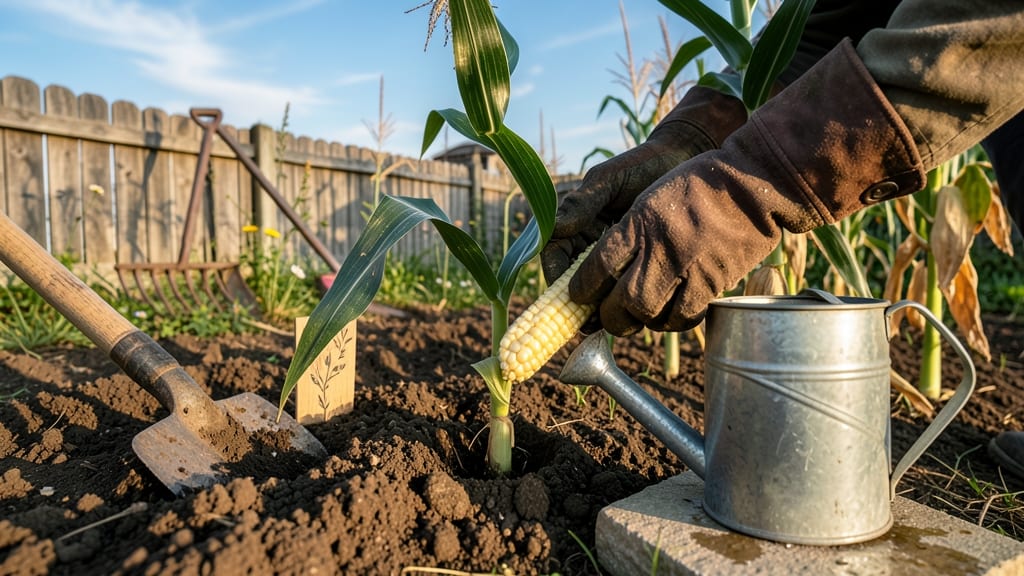
Planting field corn in North Carolina at the wrong time can mean the difference between a bumper crop and a total flop—especially when you're dealing with USDA zones 7a through 8b and unpredictable spring weather.
The key isn't just waiting for the calendar to flip to April; it's about soil temperatures hitting that sweet spot of 50°F or warmer before you even think about dropping those seeds into the ground.
If you've ever watched your corn plants wilt under a late frost or struggle to germinate in cold soil, you know how critical timing really is. North Carolina's climate varies dramatically from the mountains to the coast, so what works in Raleigh might not cut it in Asheville.
I've spent years tracking local frost dates and soil conditions, and I'm here to share the exact windows you should aim for—plus how to adjust if Mother Nature throws you a curveball.
You might assume that planting as early as possible gives you the upper hand, but rushing it can backfire when your soil is still too damp or chilly.
The right moment balances warmth, moisture, and frost-free forecasts, and I’ll break down how to read your local cues—whether you're in the Piedmont or the Coastal Plain. Let’s get your corn off to the strongest start possible.
By the end of this, you’ll know not just when to plant, but why those dates matter—and how to troubleshoot if your soil or weather doesn’t cooperate. No more guessing games, just data-driven decisions for your 🌽 field corn to thrive.
Optimal soil temperature for planting field corn in NC (zone-specific guidelines)
Field corn thrives when planted in warm soil, ideally between 50°F and 60°F. In North Carolina's USDA zones 7a-8b, soil temperatures vary dramatically between early spring and summer, making timing critical for germination.
Cooler zones like 7a (western NC) often need a delayed start compared to 8a/b (coastal and piedmont regions).
Corn seeds won't germinate below 50°F soil temperature, and planting too early in cold soil leads to rotten seeds or weak seedlings. Use a soil thermometer to check temperatures at 4-inch depth—this is where corn roots first establish.
For most NC varieties, aim for consistent 60°F+ soil temps for best germination rates.
Here's how soil temperatures align with planting windows across NC zones:
If your soil runs colder than 50°F in spring, consider these NC-specific solutions:
• Use black plastic mulch 2-3 weeks before planting to raise soil temps by 5-10°F • Plant earlier varieties like 'Silver Queen' (60-day maturity) in cooler zones • Try container growing with heated seedling trays for a head start • Test soil pH (6.0-7.0 ideal)—corn struggles in acidic soils common in western NC
Pro tip: In zone 7a, I've had success planting corn after strawberries in early May—the strawberry beds warm up faster from sunlight exposure. Just ensure the soil has been compost-amended after the previous crop.
For direct sowing, plant seeds 1-1.5 inches deep and 12 inches apart in rows 30-36 inches apart. Thinner spacing reduces disease risk from corn smut, a fungal issue common in NC's humid summers.
Always plant after the last frost date—but don't wait until soil is too hot (85°F+) as this can cause poor germination. In zone 8b, I've planted as early as March 15 with row covers, then removed them when soil hit 65°F.
🌱
NC frost-free deadlines by zone: how late can you safely plant field corn?
North Carolina's frost-free deadlines vary wildly from the mountains to the coast, and planting field corn too late can mean stunted stalks or premature tasseling before harvest. In USDA zone 7a, you've got just 100-120 frost-free days—enough for early-maturing varieties like 'Bodacious' (75 days), but not sweet corn.
Meanwhile, zone 8b gardeners enjoy 210+ frost-free days, allowing for multiple plantings.
Missing these deadlines doesn't mean game over—it means you'll need to adjust your corn variety or use season-extending tools. For example, in Asheville (zone 7a), planting after May 1 risks early fall frosts before ears mature.
But in Wilmington (zone 8b), you can push it to June for a late harvest.
If you're in zone 7a and miss the April window, don't panic—you can still plant succession crops like 'Peaches & Cream' (85 days) in early June for a late harvest. Just be prepared to mulch heavily to protect roots from fall chill.
In zone 8b, I've successfully planted field corn in July for a fall harvest, though yields drop by 30-40% compared to spring plantings.
For high-risk areas (like the Blue Ridge Escarpment), use frost cloth or low tunnels to extend the season. I've seen gardeners in zone 7b push their last planting to June 1 with these tools, adding 2-3 weeks of frost protection.
Just remove covers when soil temps exceed 80°F to avoid heat stress.
Pro tip: Track your local frost dates for 3 years to spot patterns. In Raleigh (zone 7b), I've noticed late frosts creep into May 10 every 5 years—so I plant my latest succession crop by May 1 as a buffer.
Use the NC State Climate Office frost maps to refine your timeline.
Remember, field corn needs 90-120 days to mature, so calculate backward from your first expected frost. For example, if your frost date is October 15, plant by July 15 for a full-season crop.
In zone 8a, I've planted double-crop corn—first in April for summer harvest, then again in July for fall.
🌾