
Plants
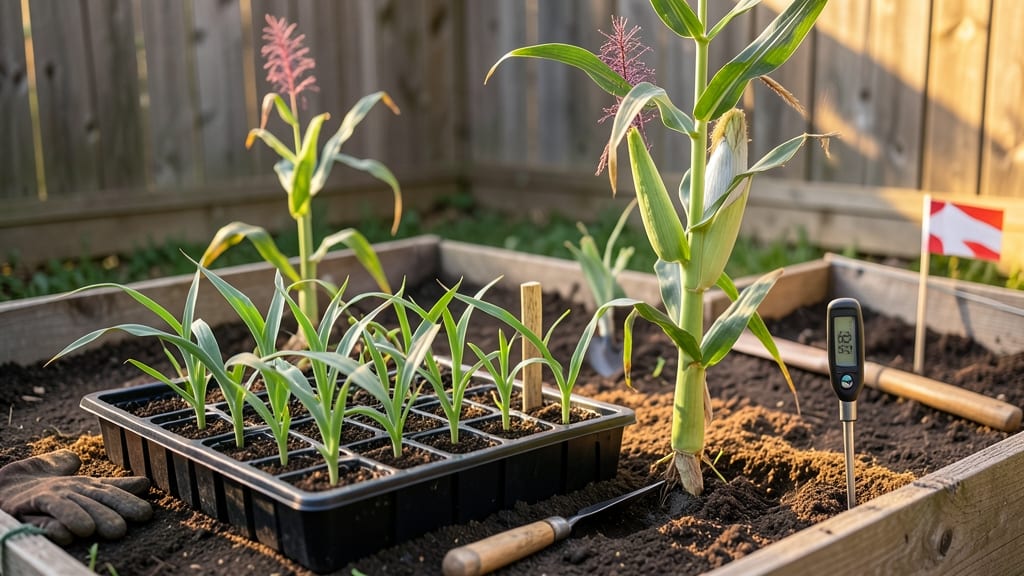
Planting corn too early in Zone 6a means your seeds will sit in cold soil for weeks, waiting for the perfect conditions to sprout. That delay can cost you fast germination and even the chance to enjoy fresh 🌽 ears at their peak sweetness.
Instead of guessing by the calendar, focus on soil temperature—the real game-changer for corn. When those top few inches hit 60°F, it’s time to plant. In Zone 6a, that usually lands between mid-April and late May, but a soil thermometer is your best friend for pinpointing the exact moment.
This isn’t just about timing—it’s about avoiding common pitfalls like slow starts or frost damage. I’ll show you how to read your soil’s signals and choose the right varieties for your region, so you can maximize your harvest from late July to early October.
Ready to skip the guesswork and grow corn that’s fast, reliable, and ready to eat? Let’s get those seeds in the ground the right way.
Optimal planting dates for corn in Zone 6a based on soil temperature
In Zone 6a, corn seeds need warm soil to germinate quickly—ideally between 60°F and 85°F (15°C-29°C). Planting too early risks seeds rotting in cold, wet soil, while waiting too late can shorten your harvest window.
The last frost date (around April 15) isn’t the only factor; soil temperature is critical for success.
Corn grows best when planted after the soil warms to at least 60°F (15°C) at a depth of 2 inches. In Zone 6a, this typically aligns with mid-April to late May, depending on your microclimate.
Early varieties can tolerate slightly cooler soils, while late-season types need warmer conditions to mature fully before frost.
Here’s the key: Soil temperature matters more than air temperature. A sunny day might fool you into thinking it’s safe to plant, but if the soil is still chilly, your seeds will struggle.
Use a soil thermometer (just $10 at garden centers) to check before planting. This small tool prevents costly mistakes and ensures your corn gets off to a strong start.
Regional adjustments are also important. If you’re in the northern part of Zone 6a (e.g., near the Canadian border), aim for late April to early May.
In the southern part (closer to Zone 7), you can plant as early as mid-April. Always monitor local weather forecasts for unexpected cold snaps.
For fast germination, plant when the 5-day forecast shows stable temperatures above 50°F (10°C). Corn seeds can take 7-14 days to sprout, and cooler soils slow this process.
If you plant in 50°F (10°C) soil, germination may take 3 weeks or longer, leaving your plants vulnerable to pests and diseases.
| Planting Window | Soil Temp Requirement | Best Varieties | Harvest Window |
|---|---|---|---|
| Mid-April | 60°F (15°C) + | Early varieties (e.g., 'Early Sunglow') | Late July - Early August |
| Late April | 65°F (18°C) + | Mid-season (e.g., 'Silver Queen') | Early August - Mid-September |
| Early May | 70°F (21°C) + | Late varieties (e.g., 'Ambrosia') | Mid-September - Early October |
| Succession Planting | 60°F (15°C) + every 2 weeks | Mix of early/mid-season | July - October |
🌱 Pro Tip: Plant in blocks (not rows) for better pollination and higher yields.
If you’re unsure about soil temperatures, consider using black plastic mulch to warm the soil faster. Lay it down 1-2 weeks before planting to raise soil temps by 5-10°F. This trick is especially helpful in cooler springs. Just remove the mulch once plants emerge to prevent overheating.
For succession planting, stagger your corn in 2-week intervals from mid-April through early June. This extends your harvest from July to October and ensures you always have fresh ears. Just remember: later plantings need faster-maturing varieties (60-75 days to harvest) to avoid frost damage.
Watch for late spring frosts, which can occur even after the average last frost date. Use row covers or plant near a south-facing fence to create a microclimate that warms up quicker.
Corn is sensitive to frost, especially when young, so protect seedlings until they’re at least 6 inches tall.
Finally, avoid planting corn in cold, wet soil. Excess moisture can cause seeds to rot before they germinate. If your soil is soggy, wait for it to dry out slightly or improve drainage by amending with compost or sand.
Well-drained soil ensures your corn starts strong and stays healthy.
With the right timing, your Zone 6a corn will thrive, giving you sweet, juicy ears all summer long. Now grab that soil thermometer and get planting! 🌽
Optimal planting dates for corn in Zone 6a based on soil temperature
Zone 6a gardeners know timing is everything when planting corn. While the average last frost date in this zone is around April 15, soil temperature matters more than air temperature.
Corn seeds need soil that's at least 60°F (15°C) to germinate properly—cold soil can delay sprouting by weeks or even cause rot. Waiting for warm soil ensures your sweet corn starts growing quickly and avoids the risk of frost damage to tender seedlings.
Most corn varieties in Zone 6a thrive when planted between mid-April and late May. Early varieties can sometimes be sown as soon as the soil warms, while late-season types benefit from a slightly delayed start.
The key is balancing soil warmth with the 165 frost-free days typical in Zone 6a—corn needs plenty of growing time to mature fully.
Here’s how to align your planting with Zone 6a’s climate for the best results:
| Stage | Action | Ideal Timeframe |
|---|---|---|
| Soil Warmth Check | Use a soil thermometer to confirm 60°F+ at 2" depth. | Mid-April to early May |
| Early Varieties | Plant 60-75 day varieties as soon as soil is warm. | Late April |
| Mid-Season Varieties | Plant 80-90 day varieties for peak harvest. | Early to mid-May |
| Late Varieties | Plant 90+ day varieties for fall harvest. | Late May (if soil stays warm). |
| Succession Planting | Sow every 2 weeks for continuous harvests. | May to early June |
If you’re unsure about your soil’s readiness, err on the side of waiting. Corn seeds planted in cold soil may take 2-3 weeks longer to sprout, and seedlings are vulnerable to damping-off disease in wet, cool conditions.
For a head start, consider using black plastic mulch to warm the soil faster—this can shave off critical days in Zone 6a’s shorter growing season.
Pro tip: Monitor your local almanac for historical frost dates, but don’t let it dictate your planting. A soil thermometer ($10 at garden centers) is your best tool for accuracy.
For example, if your area had an early frost in early May last year, wait until the soil consistently hits 60°F before planting, even if it’s a few days past your usual timeline.
Once your corn is in the ground, focus on consistent moisture and full sun to ensure strong, healthy plants. With the right timing, you’ll be pulling sweet, tender ears by late July—just in time for summer barbecues! 🌽